
Plants
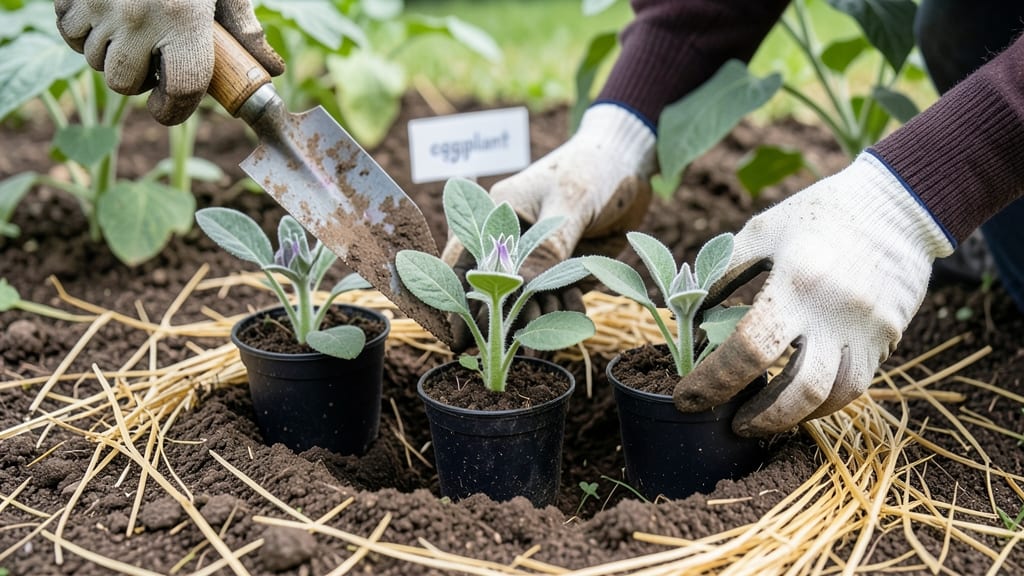
Timing your eggplant planting in Florida isn’t just about avoiding frost—it’s about beating the brutal summer heat while maximizing your 🍆 harvest before pests and humidity take over.
With no winter chill to worry about, Florida’s frost-free zones (9a-11) give you two prime windows: spring’s mild weather and early fall’s cooling trend.
Most gardeners in the Sunshine State plant eggplant between March and May for a summer harvest, but those in North Florida (like Tallahassee) might push it to April to avoid early heat stress.
The key? Start seeds indoors 6-8 weeks before transplanting—soil needs to hit at least 70°F to prevent stunted growth.
If you’re in South Florida (Miami, Fort Lauderdale), you’ve got flexibility: July-August plantings can still yield fruit by October if you use shade cloth and mulch to retain moisture. But here’s the catch—skipping these windows means battling 90°F+ soil, which slows germination and invites fungal diseases.
I’ll break down exactly how to sync your planting with Florida’s heat zones, from seed-starting tricks to transplanting deadlines that keep your eggplants thriving—not wilting. Let’s get those plants in the ground at the perfect moment.
Florida eggplant planting zones: heat tolerance and frost-free deadlines by region
Florida’s frost-free growing season makes eggplant planting a year-round possibility, but timing still matters. Unlike northern states, we don’t have to worry about frost killing our plants—but we do need to account for heat tolerance and seasonal humidity.
Eggplants thrive in USDA Zones 9a-11, which covers all of Florida, but North Florida (like Tallahassee) has slightly cooler nights than South Florida (Miami).
For most of Florida, the ideal planting window spans March through May for spring harvests and July through August for fall production. However, South Florida gardeners can plant year-round with proper shade protection during the hottest months.
The key is planting when soil temperatures reach at least 70°F, which happens earlier in South Florida than in North Florida.
Here’s how to align your eggplant planting with Florida’s regional microclimates:
In North Florida, where nights can dip below 65°F, plant after April 1 to avoid stunted growth. Use black plastic mulch to warm the soil faster and retain moisture.
For Central Florida, February plantings are possible if you start seeds indoors under grow lights and transplant after the last cool snap (usually by March 15).
South Florida gardeners have the luxury of year-round planting, but summer heat (above 90°F) can stress eggplants. To extend your season, plant heat-tolerant varieties like Ichiban or Rosa Bianca and use shade cloth during the hottest afternoons.
I’ve had success with July plantings that yield fruit by September, avoiding the peak summer slump.
For all regions, succession planting every 2-3 weeks ensures a continuous harvest. In North Florida, this means March, April, and May plantings; in South Florida, you can stagger plantings from January through October.
The goal is to keep plants producing while avoiding overcrowding, which invites diseases like powdery mildew.
One critical deadline to remember is late July for fall plantings. After this, day lengths shorten, and eggplants may bolt (flower prematurely) before fruiting.
If you miss this window, wait until January for another spring planting cycle. South Florida gardeners can push this to early September for a late fall harvest.
To check if your soil is ready, use a soil thermometer—eggplants won’t germinate below 65°F, and growth slows below 70°F. In North Florida, this often means waiting until late March, while Central and South Florida can start as early as February.
If your soil is too cold, use row covers or greenhouse setups to jumpstart growth.
Pro tip: Plant eggplants near basil or marigolds to deter pests like flea beetles, which are more active in Florida’s spring and fall. This natural companion planting strategy works especially well in Central and North Florida, where pest pressure is higher during cooler months.
Finally, don’t forget that Florida’s humidity can lead to fungal issues if plants are crowded. Space eggplants 18-24 inches apart in rows 2-3 feet apart to ensure <
Best eggplant varieties for Florida’s climate and how to extend the season
Florida’s humid heat and long growing season demand eggplant varieties that thrive under pressure. The right heat-resistant varieties and smart season-extending strategies can transform your harvest from meager to magnificent. Let’s explore the top performers and techniques to keep your plants productive from spring through fall.
For Florida’s intense summers, I recommend starting with Black Beauty—the classic purple variety that handles heat like a pro. Its thick skin resists cracking, and it matures in about 70 days, perfect for our short spring-to-fall window.
Another standout is Ichiban, a Japanese heirloom with glossy, deep purple skin and sweet, tender flesh. It’s a favorite for its disease resistance and prolonged fruiting in warm conditions.
If you’re craving something different, try Rosa Bianca, an Italian variety with creamy white skin and a nutty flavor. It’s slightly less heat-tolerant than Black Beauty but still performs well in Florida’s Central and South regions.
For compact spaces, Fairy Tale is a bush-type eggplant that stays under 2 feet tall while producing small, sweet fruits—ideal for containers or small gardens.
🌱
✅ Heat-tolerant
✅ Disease-resistant
✅ Classic flavor
✅ Glossy skin
✅ Sweet taste
✅ Long fruiting
❌ Less heat-tolerant
✅ Unique white color
✅ Nutty flavor
✅ Compact size
✅ Great for containers
✅ Early producer
To extend your eggplant season, start with succession planting. Sow seeds every 2-3 weeks from March through May for a continuous harvest. For fall plantings, aim for July-August to avoid the hottest summer months when eggplants can bolt (flower prematurely).
Use shade cloth (30-50% coverage) during peak afternoon heat to protect plants from sun scorch and wilting. Mulch with straw or black plastic to retain soil moisture and regulate temperature—critical in Florida’s sweltering afternoons.
Another trick is interplanting with companion plants like basil or marigolds. Basil repels pests like flea beetles, while marigolds deter aphids. Both also improve flavor when harvested together.
For North Florida gardens, where mild frosts can occur in December, use row covers to protect young plants during unexpected cold snaps. Even in South Florida, where frost is rare, late-season mulching can help insulate roots if temperatures dip unexpectedly.
Finally, prune your eggplants to focus energy on fruit production. Remove lower leaves to improve airflow and reduce fungal diseases like powdery mildew, which thrives in Florida’s humid air. Pinch off side shoots to encourage stronger main stems and larger fruits.
With these strategies, you can enjoy eggplants from June through November—or even later with a little extra care!
🌿