
Plants
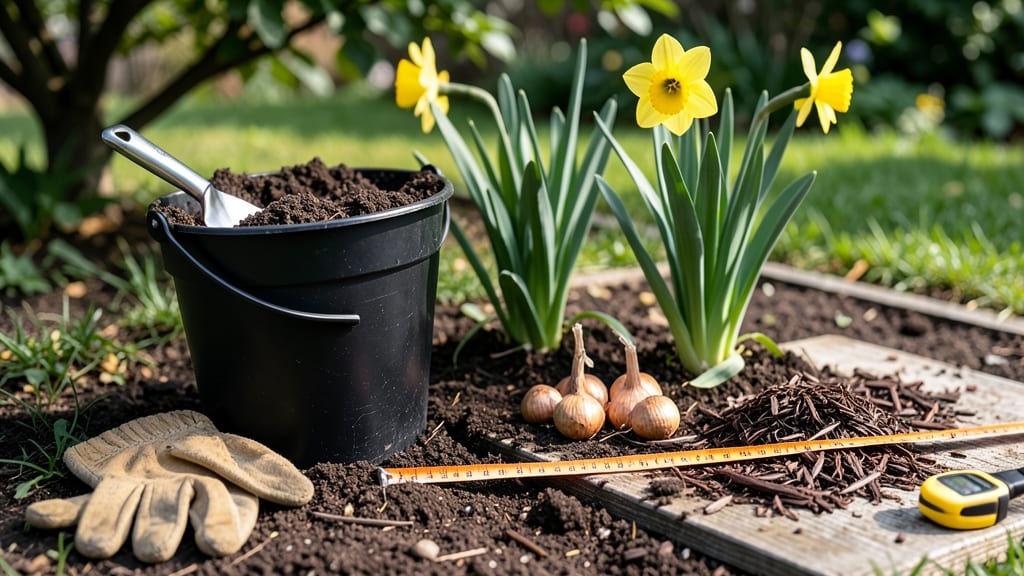
Planting daffodil bulbs in California isn’t just about picking a month—it’s about outsmarting the state’s wild climate swings from coastal breezes to inland freezes. With USDA Zones 7-10 and microclimates that can vary by just a few miles, timing matters more than you’d think.
Get it wrong, and you might end up with sad, half-bloomed 🌼 or bulbs that refuse to sprout.
Here’s the secret: the ideal window runs from October through December, but your exact timing depends on whether you’re in frost-prone Sacramento or frost-free San Diego. Too early, and your bulbs might rot; too late, and they’ll miss the critical root-growth window before winter sets in.
I’ll show you how to read your local frost dates and adjust your planting schedule accordingly.
Beyond the calendar, California’s soil and water quirks add another layer of complexity. From well-draining coastal loam to heavy clay inland, prep work can make or break your daffodils.
We’ll cover the 3 must-do soil prep steps that’ll give your bulbs the perfect foundation—no matter where you garden in the Golden State.
Ready to guarantee those cheerful spring blooms? Let’s dive into the exact planting window, soil secrets, and care tips that’ll turn your fall garden prep into a zero-frost success story. Your future 🌼 display starts now.
California’s ideal daffodil planting window: month-by-month fall guide
Timing your daffodil bulbs for California’s fall planting window means balancing soil temperatures and frost risks. Unlike cooler states, California’s USDA Zones 7-10 create wildly different schedules—coastal areas like San Diego (Zone 10) can plant until January, while inland Sacramento (Zone 7) needs bulbs in by November.
Daffodils need 6-8 weeks of root growth before winter dormancy. Plant too early, and roots may rot; too late, and they won’t establish before frost. Aim for 4-6 weeks before your area’s first frost date—check local USDA Zone maps or ask your local nursery for specifics.
Soil temperature is your secret weapon. Daffodil bulbs thrive when soil is between 50-60°F (10-15°C). Use a soil thermometer to test before planting—cooler coastal areas hit this range in October, while inland valleys may need to wait until November.
🌼
| Region | USDA Zone | Ideal Planting Window | Soil Temp Goal | Key Tip |
|---|---|---|---|---|
| North Coast (Eureka) | 9b-10 | October 15 - December 15 | 55-60°F (13-15°C) | Frost rare; plant late if soil is warm |
| Central Valley (Sacramento) | 7b-9a | October 1 - November 15 | 50-55°F (10-13°C) | Frost likely; plant early to avoid rot |
| Southern California (San Diego) | 10a-11 | November 1 - January 15 | 55-65°F (13-18°C) | Frost-free; plant through winter |
| Desert (Palm Springs) | 9b-11 | December 1 - January 31 | 60-65°F (15-18°C) | Hot days; plant in shade first |
In coastal California (Zones 9-10), daffodils can even bloom year-round in frost-free microclimates. If you’re in San Diego or Los Angeles, don’t rush—plant through January for spring blooms. Just ensure soil is warm enough (above 50°F) to prevent rot.
For inland valleys (Zones 7-8), like Fresno or Bakersfield, prioritize early October planting. These areas experience harder frosts, so bulbs need time to root before December. Use mulch (3-4 inches) to insulate soil and protect emerging shoots.
🌱
Pro Tip: If your area has unpredictable frosts, err on the earlier side of the window. Daffodils handle light frosts better than tulips—their hardiness zone extends to USDA Zone 3, but California’s mild winters mean they’ll still thrive.
Missed the fall window? No worries! January planting works in Zone 10 (SoCal). Just water deeply after planting to encourage root growth before spring rains arrive. For Zone 7-8, stick to fall—winter planting risks bulb rot** in cold, wet soil.
🪴
How to adjust planting dates for zero-frost success in California
California’s microclimates create a daffodil planting puzzle—what works in frost-free San Diego can fail in chilly Sacramento. The key is adjusting your planting window based on your local frost risk.
In Zone 7 (inland areas), aim for October 15–November 15, giving bulbs time to root before December frost. Meanwhile, Zone 10 (coastal) gardeners can plant as late as January since frost rarely visits.
Use the USDA Plant Hardiness Zone Map to pinpoint your exact timing. For example, Sacramento (Zone 7b) needs bulbs in the ground by November 1, while Los Angeles (Zone 10a) can wait until December 15.
Even within cities, elevation matters—hills cool faster than valleys, so plant 1–2 weeks earlier in higher areas.
🌱 Pro Tip: Check your local National Weather Service frost dates. If your area averages 50°F nights by November, your bulbs are ready. Use a soil thermometer to confirm—ideal planting soil temps are 50–60°F.
Planting Adjustments by California Region
✅ Frost-Prone Zones (7-9a)
- When to Plant: October 15–November 15
- Why: Bulbs need 6–8 weeks to root before frost
- Soil Prep: Add compost to improve drainage
- Depth: 6–8 inches deep for insulation
❌ Frost-Free Zones (9b-10)
- When to Plant: November 15–January 15
- Why: No rush—bulbs tolerate mild winters
- Soil Prep: Well-draining mix prevents rot
- Depth: 4–6 inches deep (shallower for warmer soil)
For gardeners in transition zones (like the Bay Area), split your planting: 60% in October for early blooms and 40% in December as insurance. This staggered approach extends your 🌼 display and hedges against unexpected cold snaps.
Companion planting can also protect early bloomers. Pair daffodils with alliums or grape hyacinths to deter squirrels, or mulch with straw to insulate bulbs in Zone 7. Avoid planting near tulips, which attract the same pests.
Finally, water deeply after planting to settle soil around bulbs, but avoid overwatering—soggy soil in winter leads to rot. In drought-prone areas, a drip irrigation system ensures consistent moisture without waste.