
Plants
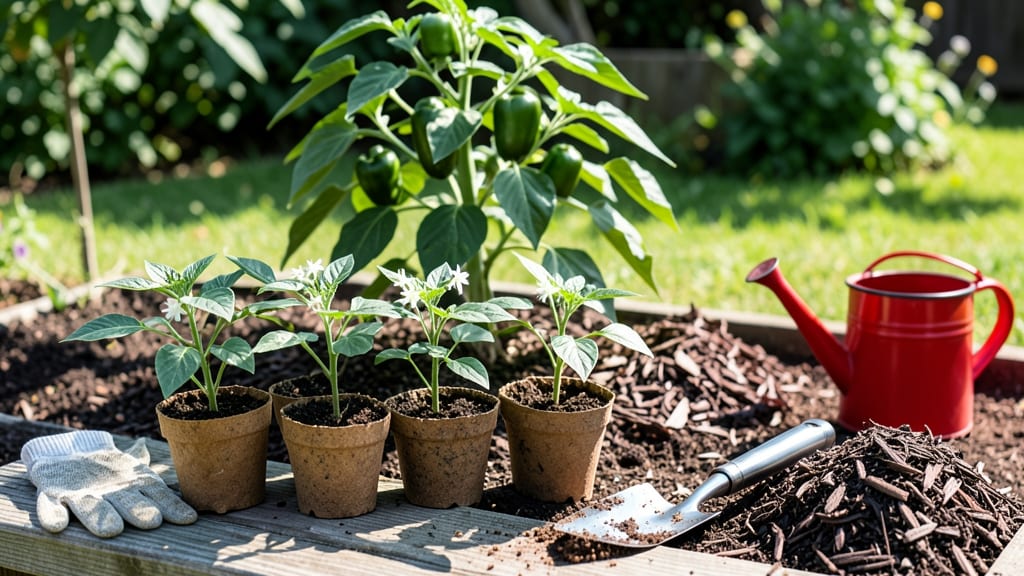
Timing is everything when it comes to growing bell peppers (🌶️) in Southern California—plant them too early, and you risk bolting (those unwanted flowers that kill your harvest). But get it right, and you’ll enjoy a bumper crop of sweet, vibrant peppers all season long.
Unlike other regions, Southern California’s 9b-11 climate lets you grow bell peppers year-round, but the key is avoiding heat stress and bolting. Whether you’re in coastal areas like San Diego or inland valleys near Los Angeles, knowing the exact months to plant makes all the difference.
In this guide, I’ll break down the best planting windows—February to March for spring crops and July to August for fall—plus pro tips to keep your peppers thriving in the heat. No more guesswork, just zero-bolt success.
Ready to grow the juiciest, most productive bell peppers? Let’s dive into the timing, varieties, and tricks that work in SoCal’s unique climate.
Best planting months for bell peppers in Southern California (avoid bolting & heat stress)
Southern California’s microclimates create unique challenges for bell pepper growers. Unlike northern states, we don’t have to worry about frost—but we do need to avoid bolting (premature flowering) caused by heat stress.
The key? Planting at the right time when soil temperatures are warm enough to support steady growth without triggering stress responses.
For most of Southern California, the ideal planting window is between mid-February and mid-March for spring crops. This timing ensures your seedlings establish roots before summer heat peaks.
Inland valleys (like the Coachella Valley) can start slightly earlier—around late January—while coastal areas (like Malibu or San Diego) may wait until early March due to cooler ocean breezes.
Here’s the critical detail: soil temperature must reach at least 60°F (15°C) before planting. Below this threshold, seeds struggle to germinate, and seedlings grow slowly, making them vulnerable to pests and diseases. Use a soil thermometer to check—it’s the only way to get this right every time.
For a fall crop, aim for mid-July to early August. This second planting window gives peppers time to mature before temperatures drop in late fall. Inland areas can push this to early September, while coastal regions should stick to late July to avoid early autumn chills.
| Region | Spring Planting Window | Fall Planting Window | Soil Temp Threshold | Key Risk |
|---|---|---|---|---|
| Coastal (LA, San Diego) | Early March | Late July | 60°F+ | Coastal fog delays warming |
| Inland Valleys (Coachella, San Fernando) | Late January | Early September | 65°F+ (warmer soil) | Extreme heat stress |
| Desert (Palm Springs) | February | August | 70°F+ (arid conditions) | Bolting from dry heat |
One common mistake? Planting too early in January just because you’re eager. Cool nights and slow soil warming lead to stunted plants that bolt prematurely. I’ve seen gardeners in Orange County rush their seedlings in December only to watch them flower by February—completely ruining their harvest. Patience is key here.
If you’re starting seeds indoors, begin them 8-10 weeks before your target outdoor date. Use a heat mat to maintain 75-85°F soil temperatures for faster germination. Seedlings need 12-14 hours of light daily to prevent leggy growth, so supplement with grow lights if natural light is limited.
For container growers, timing is even more critical. Smaller pots heat up faster in Southern California sun, so monitor soil moisture closely.
If your containers are in full sun, consider using black fabric pots to absorb and retain heat—this can shave off 1-2 weeks from your planting timeline by keeping roots warmer.
Pro tip: Mulch heavily after planting to stabilize soil temperatures. A 3-inch layer of straw or wood chips keeps roots cool during heatwaves and warm during cool snaps. This is especially important for fall crops, where temperature swings can confuse the plant’s growth cycle.
Remember, bolting isn’t just about heat—it’s also triggered by stress. Whether from inconsistent watering, poor soil, or sudden temperature shifts, stressed plants will bolt. By mastering these planting windows and soil temperature rules, you’ll set your bell peppers up for a long, productive season with minimal stress.
Best planting months for bell peppers in Southern California (avoid bolting & heat stress)
Southern California’s frost-free climate means you can grow bell peppers year-round, but timing is critical to avoid bolting (premature flowering) or heat stress. The ideal window for spring planting is February to March, when soil temperatures hit 60°F+—perfect for germination without triggering early blooms.
For a fall crop, aim for July to August planting. This gives peppers time to mature before summer’s peak heat. Coastal areas like San Diego can plant slightly earlier (January-February), while inland valleys near LA should wait until March to avoid heat stress.
| Season | Best Months | Soil Temp | Notes |
|---|---|---|---|
| Spring | February-March | 60°F+ | Avoid January (risk of bolting) |
| Fall | July-August | 70°F+ | Harvest before Sept heat spikes |
| Coastal Areas | January-February | 58°F+ | Cooler temps delay bolting |
| Inland Valleys | March-April | 65°F+ | Wait for stable warmth |
Use a soil thermometer to confirm temperatures before planting. If your soil is cooler than 60°F, wait—cold soil slows germination and increases bolting risks. For container growers, use black pots to absorb and retain heat faster.
Pro tip: Start seeds indoors 8-10 weeks before your target transplant date (e.g., sow in December for February planting). This head start ensures sturdy seedlings ready for transplanting when soil warms up.
Remember, Southern California’s microclimates vary dramatically. Coastal areas stay cooler, while inland desert regions can hit 100°F+ by summer. Adjust your timing based on your specific zone—don’t let heat stress ruin your harvest!