
Plants
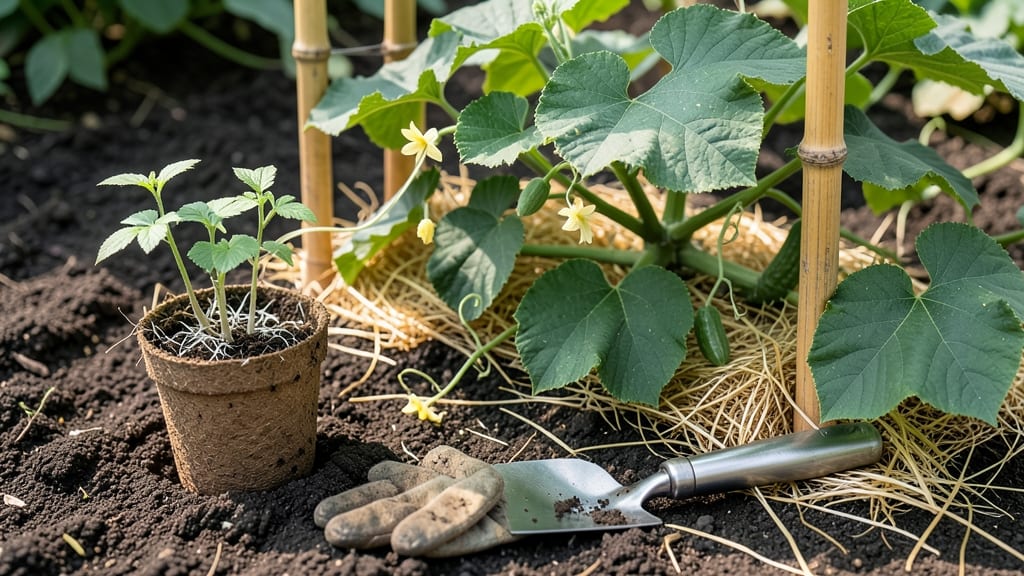
If you're growing cucumbers in Zone 9b, timing is everything—plant too early, and you'll trigger bolting; too late, and summer heat will stress your 🥒 plants before they produce. The key to zero-bolt harvests lies in understanding your local microclimate and soil temperature thresholds.
Most gardeners in Phoenix or Southern California deserts know the struggle: cucumbers bolt when temperatures rise above 85°F or when soil stays too cool. But with the right strategy, you can enjoy crisp cucumbers in both spring and fall without the frustration.
In this guide, I’ll break down the ideal planting windows—late winter/early spring and fall—plus soil temperature tips to avoid common mistakes. You’ll also discover how to extend your growing season with shade cloth and companion planting for maximum yield.
Whether you're a beginner or a seasoned gardener, these insights will help you plan for two successful harvests each year, no matter how intense Zone 9b’s summers get.
Best planting times for cucumbers in Zone 9b to avoid bolting
In Zone 9b, where summers can hit 110°F+, timing is everything to prevent cucumbers from bolting (producing bitter fruit or flowering prematurely). The key is planting when soil temperatures are consistently above 60°F but before the peak heat of July and August.
This means two ideal windows: late winter/early spring and fall.
Most gardeners in Zone 9b (think Phoenix, Palm Springs, or Southern California) focus on fall planting because it avoids the brutal summer heat. However, spring planting can work if you use shade cloth and mulch to protect young plants.
Let’s break down the exact timing and conditions for each season.
🌱 Zone 9b Cucumber Planting Comparison
| Season | Best Planting Window | Soil Temp Threshold | Harvest Window | Key Challenge |
|---|---|---|---|---|
| Spring | Late February - Early March | 60°F+ (use soil thermometer) | April - June | Heat stress by May |
| Fall | Mid-September - Early October | 65°F+ (warmer soil helps germination) | November - December | Early frosts (rare but possible) |
For spring planting, aim for late February to early March when daytime highs are in the 70s°F but nights stay above 50°F. Use a soil thermometer to confirm temperatures are 60°F+—cold soil delays germination. If you plant too early, seedlings may rot in chilly, damp soil.
My go-to method for spring is to sow seeds indoors under grow lights in late January, then transplant hardened-off seedlings in early March. This gives them a 4-6 week head start before the heat ramps up. I also use black plastic mulch to warm the soil faster and retain moisture.
Fall planting is my preferred strategy in Zone 9b because it avoids the 100°F+ summers that cause cucumbers to bolt. Seedlings need 65°F+ soil to germinate well, so wait until mid-September when daytime temps are in the 80s°F but nights cool to 65°F+.
This timing ensures a harvest before December frosts (rare but possible in microclimates).
If you’re in a coastal Zone 9b (like San Diego), you can push fall planting into early October because ocean breezes moderate temperatures. However, inland areas (like the Coachella Valley) should plant by mid-September to avoid sudden temperature drops.
One critical mistake I’ve seen is planting cucumbers in early summer (June-July) for a "summer crop." This almost always fails in Zone 9b because the intense heat causes plants to bolt immediately, producing bitter, seedy fruit or no fruit at all.
Instead, focus on fall planting or use shade cloth (30-50%) if attempting summer.
For succession planting, sow a second batch of seeds every 2 weeks in spring or fall to extend your harvest. For example, in fall, plant one batch in mid-September and another in early October to keep cucumbers coming until December.
This works best with bush varieties like 'Bush Champion' that mature faster.
🌡️ Remember: Cucumbers are 95% water, so water stress from heat or drought will cause them to bolt. In Zone 9b, drip irrigation or soaker hoses are a must to keep roots consistently moist.
Mulch with straw or wood chips to retain soil moisture and cool roots during peak heat.
Best planting times for cucumbers in Zone 9b to avoid bolting
Zone 9b’s long, hot summers and mild winters create a unique challenge for cucumbers—plant too early, and your 🥒 vines bolt before producing; too late, and summer heat stresses them before harvest.
The sweet spot? Two planting windows: late winter/early spring and fall, when soil temps stay between 60°F and 75°F.
Most gardeners in Phoenix or Southern California deserts swear by fall planting (September–October) because it avoids the brutal 100°F+ heat of mid-summer. But spring planting (February–March) works too—if you start seeds indoors or use shade cloth to protect young plants.
The key is soil temperature, not air temp: cucumbers need soil at least 60°F to germinate.
Here’s how to calculate your exact planting window: subtract 140 days (harvest time) from your first frost date (rare in Zone 9b, but microclimates vary). For example, if frost hits December 15, aim for late August for a fall harvest.
But in reality, most Zone 9b gardeners plant September 1–15 for a November–December harvest.
| Planting Window | Soil Temp Threshold | Harvest Window | Key Risk |
|---|---|---|---|
| Late Winter (Feb–March) | 60–70°F | April–June | Bolting in summer heat |
| Fall (Sept–Oct) | 65–75°F | November–December | Short daylight hours |
| Early Summer (June) | 70–80°F (with shade) | July–August | Heat stress, low yield |
Pro tip: Use a soil thermometer to check temps before planting—cucumbers won’t germinate below 60°F, even if air temps are warm. In desert climates, black plastic mulch raises soil temps by 5–10°F, speeding up germination.
For spring plantings, start seeds indoors 4–6 weeks before your target date to give seedlings a head start.
If you’re in a coastal Zone 9b (like San Diego), you can push spring planting slightly later (March–April) because ocean breezes moderate temps. But inland areas (Phoenix, Palm Springs) should stick to February for spring or September for fall to avoid bolting.
Always monitor 7-day forecasts: sudden heat waves can trigger bolting even in "safe" windows.
For a year-round supply, stagger plantings every 2–3 weeks in fall or use succession planting with bush varieties like ‘Bush Champion.’ Just remember: shade cloth (30–50%) is your best friend in Zone 9b’s summer—it can drop soil temps by 10°F and prevent bolting during heat spikes.