
Plants
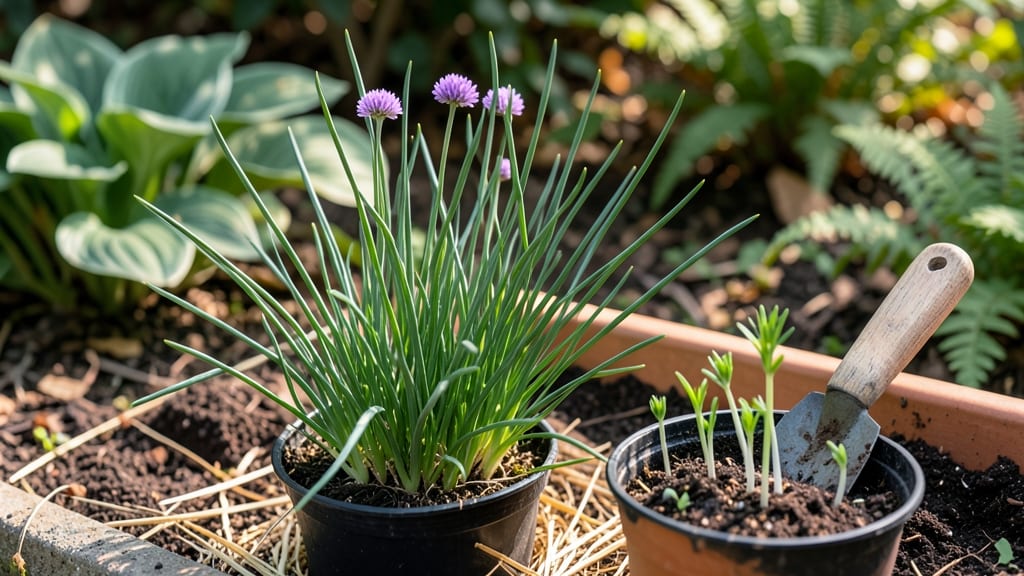
If you’ve ever planted chives in Zone 7 and watched them bolt before you could even harvest a single bunch, you’re not alone. The key to avoiding this frustration lies in timing—and getting it right means the difference between a thriving herb garden and a disappointing one.
Chives are one of the easiest perennials to grow, but their sensitivity to heat makes planting season everything. In Zone 7, where last frosts linger into mid-April and first frosts arrive by mid-October, your window is narrow but critical.
Whether you’re a seasoned gardener or just starting, knowing exactly when to plant—whether in early spring or early fall—can mean the difference between a lush, bolt-free harvest and a sad, scraggly bunch.
Let’s break down the best times to plant chives in Zone 7, so you can enjoy fresh, flavorful leaves from late spring to early fall without the stress. You’ll learn how to avoid common mistakes, prep your soil for success, and even extend your harvest season with simple strategies.
Ready to grow chives that thrive? Let’s get started with the perfect planting schedule for your Zone 7 garden.
Optimal planting windows for chives in Zone 7: spring vs fall breakdown
Planting chives at the perfect time in Zone 7 ensures they thrive without bolting—those unwanted flower spikes that ruin your harvest. The key is understanding your last frost date (typically mid-April) and first frost (mid-October), then working backward.
Spring and fall both offer ideal windows, but each has unique advantages for maximizing your chive harvest.
In Zone 7, chives can be planted either 4-6 weeks before your last frost (early spring) or 6-8 weeks before your first frost (early fall). This timing gives your plants enough time to establish roots before extreme heat or cold sets in.
For most of Zone 7, that means targeting March-April for spring and September-October for fall—but microclimates can shift these dates by a few weeks.
Here’s the critical difference: Spring planting gives you an earlier harvest but risks bolting if summer heat arrives too soon. Fall planting, on the other hand, lets chives grow slowly through winter and burst into production in spring, often avoiding the worst heat stress.
Both methods work, but your choice depends on whether you prioritize immediate harvests or long-term resilience.
🌱
| Factor | Spring Planting (March-April) | Fall Planting (September-October) |
|---|---|---|
| Best Time | 4-6 weeks before last frost (early March) | 6-8 weeks before first frost (early September) |
| Soil Temp | 45-50°F (7-10°C) | 50-55°F (10-13°C) |
| Harvest Window | Late spring to early fall | Next spring (longer storage life) |
| Bolt Risk | High if summer heat arrives early | Low (avoids peak summer heat) |
| Zone 7a Adjustment | Plant slightly later (late March) | Plant slightly earlier (late August) |
| Mulch Needed? | Yes (protects from late frosts) | Yes (insulates roots) |
For Zone 7a (colder sub-zone), push spring planting back to late March and fall planting forward to late August. This accounts for the slightly shorter growing season.
Meanwhile, Zone 7b gardeners can plant as early as mid-March for spring and as late as early October for fall, giving you more flexibility.
One pro tip: If you’re unsure about your exact frost dates, use seed-starting indoors 6-8 weeks before your target outdoor planting date. This gives you a head start and extends your window. Chives grow quickly from seed, so you’ll have established plants ready for transplanting when conditions are ideal.
Soil temperature is just as critical as air temperature. Chives prefer soil that’s 45-55°F (7-13°C) at planting time. Use a soil thermometer to check—if it’s colder than 45°F, wait a few days or protect seedlings with row covers.
Warm soil speeds up germination and root establishment, setting your chives up for success.
Finally, don’t overlook microclimates in your garden. South-facing beds warm up faster in spring and stay warmer in fall, while north-facing areas may need adjustments. If your garden has shaded spots or pockets of cold air (like low-lying areas), plant chives in the warmest, sunniest locations first.
This simple tweak can mean the difference between bolt-free chives and a disappointing harvest.
With the right timing, your chives will thrive year after year, providing fresh flavor for your kitchen and a beautiful addition to your garden. The key is patience—whether you choose spring or fall, give your plants the time they need to establish before pushing them into extreme conditions.
🌿
Optimal planting windows for chives in Zone 7: spring vs fall breakdown
In Zone 7, your chives will thrive when planted during two critical windows: early spring (4-6 weeks before last frost) or early fall (6-8 weeks before first frost). These timings align with soil temperatures between 40°F and 60°F, ideal for root establishment before summer heat triggers bolting.
Miss this window, and you risk stunted growth or premature flowering.
Spring planting in Zone 7 typically starts in March, with mid-April marking the last frost date for most areas. For fall, aim for September to give chives time to root before winter.
The key difference? Spring plants grow aggressively in cool weather, while fall plants establish roots slowly but avoid summer heat stress.
| Factor | Spring Planting | Fall Planting |
|---|---|---|
| Ideal Month | March-April | September-October |
| Soil Temp | 40°F-60°F | 50°F-65°F |
| Frost Risk | Low (post-last frost) | High (pre-first frost) |
| Bolting Risk | Moderate (summer heat) | Low (cool roots) |
| Harvest Window | Late spring-fall | Next spring-fall |
Zone 7a (colder) gardeners should plant 2 weeks earlier than Zone 7b to account for later frosts. For example, if your last frost is April 15, start chives in early March.
Conversely, in Zone 7b, delay spring planting until late March to avoid early heat stress. Fall planting should always finish by October 1st to ensure roots harden before winter.
Pro tip: Use mulch (2-3 inches of straw) after planting to regulate soil temperature. In spring, it slows warming; in fall, it insulates roots. This simple step can extend your planting window by 1-2 weeks in both seasons.
For container growers, spring planting offers the fastest results, while fall planting yields bolt-resistant plants the following year. Test your soil pH (ideal: 6.0-7.0) before planting—amend with lime if needed, as chives dislike acidic soil.
Remember: Chives planted in partial shade (4-6 hours sun) bolt less than those in full sun. If your garden gets intense afternoon heat, prioritize fall planting or use shade cloth during summer.