
Plants
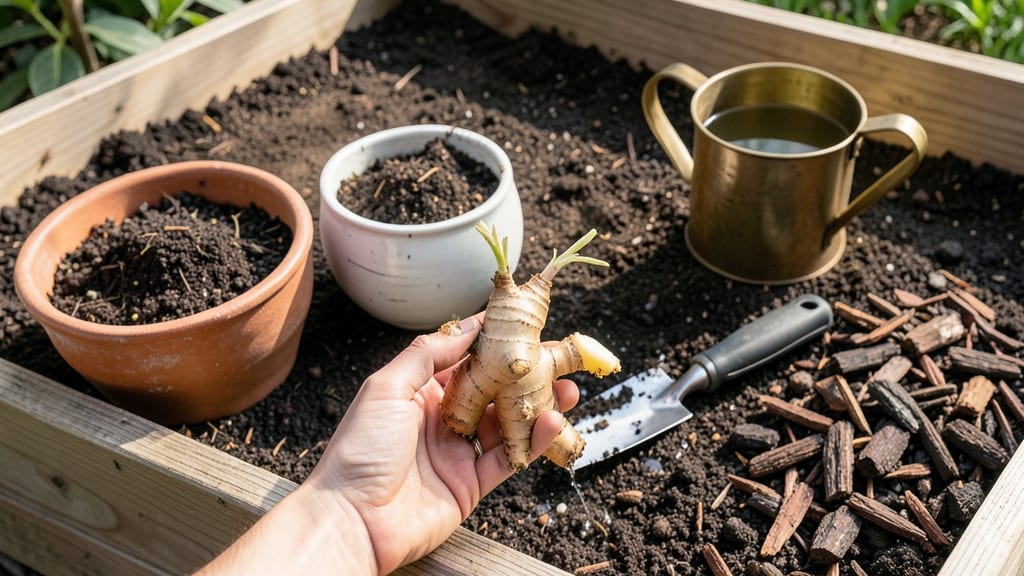
Timing your ginger planting in NC can mean the difference between a thriving harvest and a frost-killed disappointment. With North Carolina’s unpredictable weather—especially in USDA zones 6-8—getting the season right is the key to success.
Whether you’re a first-time gardener or a seasoned green thumb, knowing whether to plant in spring or fall makes all the difference for zero-frost survival.
Ginger thrives in warmth, but planting too early risks frost damage, while waiting too long cuts your growing season short. The sweet spot? Aim for when soil temperatures consistently hit 60°F or higher—typically mid-April to May for spring or late August to September for fall.
This ensures your ginger rhizomes have enough time to establish roots before cooler weather sets in.
Beyond timing, soil prep and regional microclimates play a huge role. Coastal NC’s milder winters may allow for slightly earlier planting, while the Piedmont’s cooler nights demand extra care.
I’ll walk you through how to prep your soil, choose the right rhizomes, and protect your plants from unexpected frosts—so you can enjoy a bountiful harvest from summer through fall.
Ready to grow your own spicy, aromatic ginger? Let’s dive into the best planting strategies tailored to NC’s climate, so you can avoid common mistakes and maximize your yield. Your kitchen—and taste buds—will thank you!
Best planting months for ginger in NC: spring vs. fall timing guide
North Carolina’s USDA zones 6-8 offer unique challenges for growing ginger—this tropical plant thrives in warm soil but struggles with late spring frosts. The key to success lies in planting timing, which directly impacts rhizome development and harvest yield.
Unlike annuals, ginger behaves as a short-lived perennial in NC, meaning it can survive one growing season if protected from frost.
Most NC gardeners opt for spring planting (after last frost) because it aligns with soil warming trends. However, fall planting in late summer can also work if you’re in warmer coastal zones like Wilmington or Morehead City.
Let’s break down the ideal windows for each approach and how to extend your growing season.
🌱 Did You Know? Ginger rhizomes need consistent warmth—soil temps below 60°F (15°C) stunt growth. In NC’s Piedmont region, this often means waiting until mid-April to May for spring planting.
| Factor | Spring Planting (Best for Most NC) | Fall Planting (Coastal Zones Only) |
|---|---|---|
| Best Months | April–May (after last frost) | August–September (before first frost) |
| Soil Temp Requirement | 65°F+ (18°C+) | 70°F+ (21°C+) |
| Frost Risk | Low (if planted after May 15) | High (unless in Zone 8) |
| Harvest Window | Late summer–fall (10–12 months) | Next summer (if protected) |
| NC Region Suitability | All zones (6–8) | Coastal only (Zones 7b–8a) |
| Pro Tip | Use black plastic mulch to warm soil faster | Plant in containers for winter protection |
For spring planting, aim to get ginger in the ground by May 15 in most of NC to avoid unpredictable late frosts. In the Mountains (Zone 6), wait until late May when soil temps consistently stay above 65°F (18°C).
Use a soil thermometer to confirm—ginger rhizomes won’t sprout until the ground reaches this threshold.
If you’re in Coastal NC (Zones 7b–8a), fall planting becomes an option. Start rhizomes in August so they establish roots before cooler weather arrives. However, mulch heavily with straw or leaves to insulate against early October frosts.
Inland areas like Raleigh or Charlotte should skip fall planting entirely due to higher frost risk.
One game-changer for NC gardeners is pre-sprouting rhizomes indoors 4–6 weeks before outdoor planting. This gives your ginger a 2-week head start and increases survival rates. Simply place whole rhizomes in a moist paper towel in a warm spot (75°F/24°C) until sprouts appear—then plant immediately after last frost.
Regardless of timing, ginger needs 8–10 months to mature in NC’s climate. Spring-planted rhizomes will be ready for harvest in late summer to fall of the same year, while fall-planted ginger (coastal only) won’t harvest until the following summer. Patience is key—rushing the process leads to small, underdeveloped rhizomes.
To extend your growing season, consider row covers or cold frames for early spring plantings. These can add 2–4 weeks of frost protection, giving ginger more time to establish before summer heat arrives. Just remove covers once temperatures exceed 80°F (27°C) to prevent overheating.
Pro ginger growers in NC often plant a small test batch in spring and another in fall (if coastal) to stagger harvests. This diversifies your yield and ensures you always have fresh rhizomes on hand.
Just remember: fall-planted ginger requires winter protection—either move containers indoors or bury them deeply in mulch.
🌡️ Key Takeaway: Spring planting (April–May) works statewide, while fall planting is coastal-only. Always prioritize soil warmth over calendar dates—ginger won’t grow if it’s cold!
How to prepare ginger rhizomes for NC’s climate: step-by-step planting process
Preparing your ginger rhizomes for North Carolina’s climate is just as critical as timing your planting. Unlike seeds, ginger grows from thick, knobby roots that need careful handling to thrive in our humid subtropical conditions.
Start by selecting plump, firm rhizomes with visible buds—these are your best bet for strong, healthy growth.
Before planting, give your rhizomes a head start by pre-sprouting them indoors. Place them in a shallow tray with moist peat moss or coconut coir, keeping them in a warm spot (around 70-75°F).
Within 2-3 weeks, you’ll see shoots emerge, signaling they’re ready for the garden. This step is especially helpful in NC’s shorter growing seasons.
Now for the soil—ginger loves rich, well-draining soil with a slightly acidic pH (around 6.0-7.0). Amend your garden bed with compost or aged manure to improve fertility.
Avoid heavy clay soils, as ginger roots need room to breathe. If your soil is sandy, mix in organic matter like leaf mold to retain moisture.
🌱 Step-by-Step Planting Guide for NC Ginger
- 🌱 Choose rhizomes with 2-3 buds and no signs of rot.
- 💧 Pre-sprout indoors for 2-3 weeks in moist peat moss.
- 🪴 Dig holes 2-3 inches deep, spacing them 8-10 inches apart.
- 🌿 Place rhizomes horizontally, buds facing upward, 2 inches below soil.
- 💧 Water thoroughly after planting to settle the soil.
- ☀️ Mulch heavily with straw or leaves to protect from frosts.
When planting outdoors, place your rhizomes 2-3 inches deep in the soil, with the buds facing upward. Space them 8-10 inches apart in rows that are 12-18 inches apart to allow for airflow and growth.
In NC’s warmer regions like the Coastal Plain, you can plant slightly earlier, but in the Piedmont or Mountains, wait until soil temperatures are consistently above 60°F.
After planting, mulch generously with straw, leaves, or pine needles to retain moisture and insulate roots from temperature swings. This is especially important in NC’s unpredictable spring frosts. Water your ginger plants deeply 1-2 times per week, ensuring the soil stays moist but not waterlogged.
Avoid overhead watering to prevent fungal diseases like rhizome rot, which can devastate your crop.
With these steps, your ginger plants will establish strong roots and thrive in NC’s climate, setting you up for a bountiful harvest in late summer or fall. The key is patience and preparation—just like any great garden, ginger rewards those who give it the right conditions to grow.