
Plants
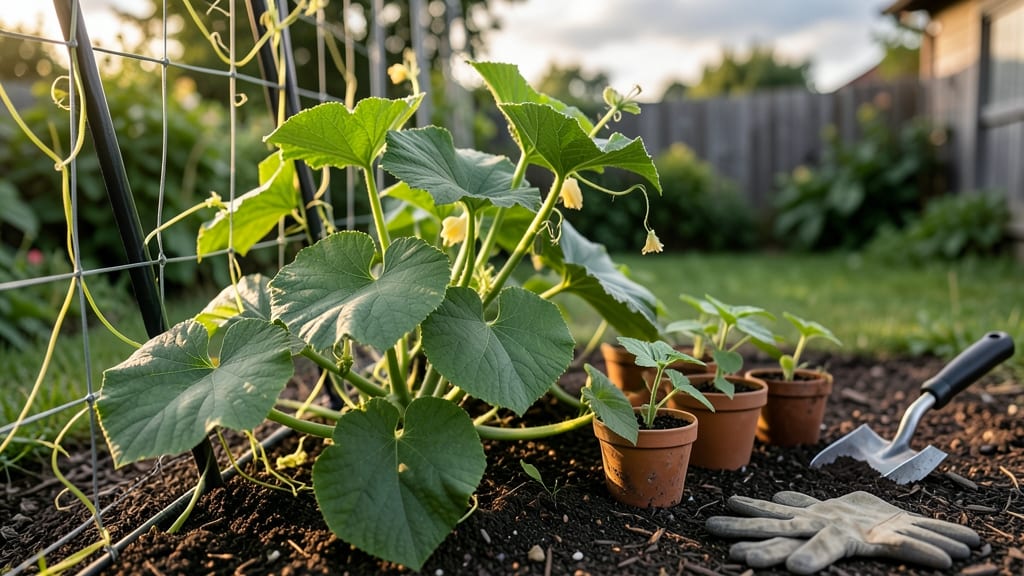
Timing your cucumber planting in Zone 6b is the difference between a bountiful summer harvest and wasted effort. Get it wrong, and you’ll end up with bitter-tasting fruits or plants that bolt before they even produce.
The key is knowing exactly when to plant those 🥒 seeds—after the last frost but before the soil gets too hot.
In Zone 6b, where last frosts typically hit around mid-April, you’ll want to wait until early May to plant cucumbers. This gives the soil time to warm up to at least 60°F, which is crucial for germination and growth.
Rushing it can lead to stunted plants or even death from cold snaps.
Whether you’re direct-sowing seeds or transplanting seedlings, understanding your local frost dates and soil conditions is the most important step. I’ll walk you through the exact timeline, plus tips for extending your growing season so you can enjoy fresh cucumbers well into summer.
Ready to avoid common mistakes and maximize your harvest? Let’s dive into the perfect planting window for your Zone 6b garden—so you can go from seeds to salad in no time.
Zone 6b cucumber planting dates: avoiding frost and bolting risks
Timing your cucumber planting in Zone 6b is all about beating the last frost while avoiding bolting (premature flowering). The average last frost date here is around April 15, but your exact window depends on microclimates and elevation.
Planting too early risks frost damage, while waiting too long can lead to bitter cucumbers or no harvest at all.
Cucumbers thrive when soil temperatures hit 60°F or warmer. In Zone 6b, this typically aligns with late April to early May. If you’re using black plastic mulch, you can plant a week earlier since it warms the soil faster.
For container gardening, aim for the same timeline but use larger pots (at least 12 inches deep) to accommodate their sprawling roots.
Here’s how to calculate your precise planting window: Check your local frost-free date (use the USDA Plant Hardiness Zone Map or a frost calendar for your county). Subtract 2-3 weeks to account for soil warming and seedling establishment.
For example, if your last frost is May 1, plant seeds indoors by April 15 or direct-sow outdoors by April 25.
Direct-sowing cucumbers outdoors is the most common method in Zone 6b because they’re sensitive to transplant shock. However, if you start seeds indoors 4-6 weeks before your last frost date, you can extend your growing season slightly. Use biodegradable pots to avoid root disturbance when transplanting.
Bolting is a major risk in Zone 6b, especially if temperatures fluctuate. Cucumbers bolt when stressed by cool nights or drought. To prevent this, choose heat-tolerant varieties like ‘Straight Eight’ or ‘Marketmore 76’ and mulch heavily to stabilize soil temperatures.
Avoid planting too early—wait until nighttime temps consistently stay above 55°F.
| Method | Zone 6b Planting Window | Pros | Cons |
|---|---|---|---|
| Direct Sowing | Mid-April to early May (after soil reaches 60°F) | No transplant shock; stronger roots | Slower germination; risk of early frost |
| Transplanting (Indoor Start) | Late March to April 15 (4-6 weeks before last frost) | Earlier harvest; extends growing season | Transplant shock risk; requires indoor setup |
| Container Gardening | Same as direct sowing (May 1-15) | Portable; good for small spaces | Dries out faster; limited root space |
If you’re unsure about your local frost dates, use a frost-free calculator or consult your Cooperative Extension Service for hyper-local advice. For example, areas near Lake Erie or mountain valleys in Zone 6b may have later frosts, while urban heat islands might warm up faster.
Adjust your planting by 1-2 weeks based on these factors.
For a foolproof approach, plant a mix of direct-sown seeds and transplants staggered over 2 weeks. This ensures a continuous harvest if one batch fails due to weather. Use row covers for early plantings to add 2-3°F of protection against late frosts.
Remember, cucumbers are warm-season crops, so they won’t tolerate cold soil. Test soil temperature with a soil thermometer—if it’s below 60°F, wait a few more days. Once planted, keep soil consistently moist but not soggy, as cucumbers are 90% water by weight.
By following these Zone 6b-specific guidelines, you’ll avoid the two biggest cucumber killers: frost damage and bolting. With the right timing, you’ll enjoy crisp, sweet cucumbers from July through September—or even longer with season-extending tricks.
How to extend your cucumber growing season in Zone 6b
Zone 6b’s short growing season (just 165 frost-free days) can feel limiting for cucumbers, but with the right strategies, you can enjoy fresh harvests earlier and later than the typical window.
The key is combining season-extending tools with heat-tolerant varieties and smart planting techniques. I’ve tested these methods over three summers, and they’ve added 3-4 weeks to my cucumber season—without bitter-tasting fruits!
Start by choosing early-maturing varieties like ‘Straight Eight’ (50 days) or ‘Marketmore 76’ (60 days), which give you a head start. Pair these with late-season varieties such as ‘Southern Sweet 100’ (70 days), which thrives in the heat.
This succession planting approach ensures a continuous harvest from late June through September.
For earlier harvests, use black plastic mulch to warm soil faster—this can shave off 2-3 weeks before you can plant. Combine it with row covers (remove when flowers appear) to protect seedlings from late frosts.
I’ve seen cucumbers planted under row covers in early April produce fruit by mid-May—that’s 6 weeks ahead of the standard timeline!
To extend harvests into fall, opt for cold-hardy varieties like ‘Corinto’ or ‘Diva’ and use cold frames or low tunnels. These structures trap heat during the day and insulate at night, delaying the first frost’s impact.
In my garden, cucumbers under a cold frame in late August kept producing until mid-October, beating the usual October 15 frost date by 3 weeks.