
Plants
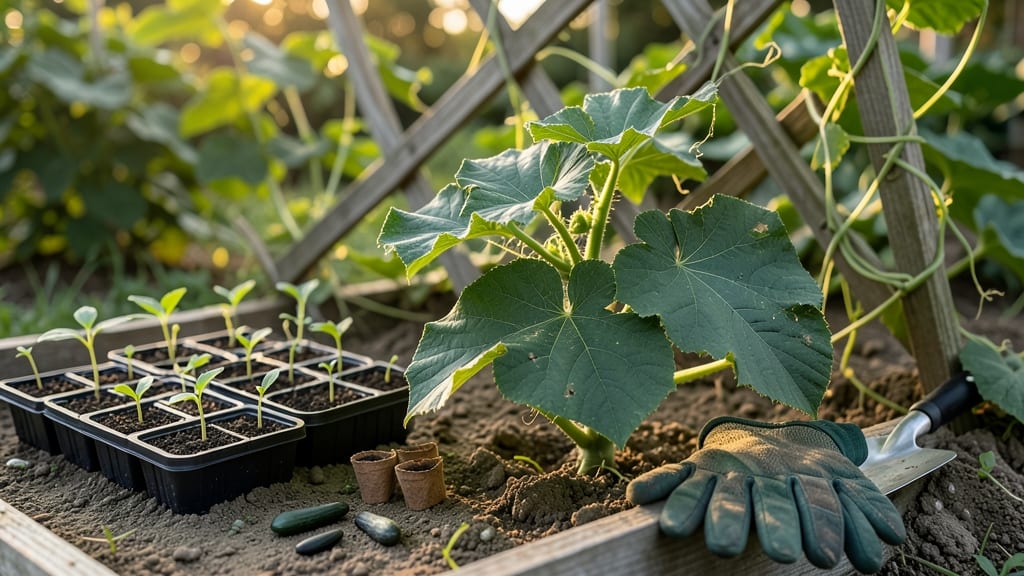
When to plant cucumber seeds in Ontario can make or break your harvest—because those cool spring nights still lurking in the forecast will turn tender 🥒 seedlings into sad, wilted memories if you’re not careful. With Ontario’s last frost date bouncing between mid-May and early June (depending on whether you’re in Toronto or Thunder Bay), timing isn’t just important—it’s the difference between a garden overflowing with crisp, homegrown cucumbers and a season of disappointment.
Here’s the truth: You can’t just toss those seeds into the ground the second the calendar hits May. Soil temperature matters just as much as frost dates—wait until the dirt warms to at least 15°C (59°F), usually around late May in most of the province’s 5b-6a zones.
That’s when your 🥒 seeds will finally wake up from their winter nap and start growing like they mean it.
But what if you’re eager to get a jumpstart? Some gardeners swear by indoor starts, while others insist on direct sowing once the coast is clear.
I’ll break down the best approach for your specific zone, plus pro tips to stretch your growing season—because nobody wants to miss out on fresh, vine-ripened cucumbers from July to September.
Let’s cut through the guesswork so you can plant with confidence, avoid frost-related heartbreak, and end up with a bounty that’ll make your neighbors jealous. Ready to dig in?
Ontario cucumber planting timeline by frost-free Zone (2024 guide)
Ontario’s frost-free zones (5a, 5b, 6a, 6b) create big differences in when you can safely plant cucumber seeds. In Zone 5a (e.g., Ottawa, North Bay), the last frost typically arrives around May 15-20, while Zone 6b (e.g., London, Hamilton) sees frost-free conditions by May 5-10.
Waiting until soil temperatures hit 15°C (59°F) is critical—cold soil slows germination and stunts growth.
For direct sowing (planting seeds straight into the garden), aim for 2-3 weeks after your region’s last frost date. This gives young seedlings time to harden off without risking frost damage.
In Zone 5a, that means waiting until late May, while Zone 6b gardeners can start as early as early May.
If you prefer indoor starts, begin seeds 3-4 weeks before your last frost date. Use biodegradable pots to avoid root disturbance when transplanting. For Zone 5a, this means starting seeds by mid-April, while Zone 6b can begin as early as late March.
Black plastic mulch can warm soil faster by 2-4°C, letting you plant 1-2 weeks earlier in cooler zones. Lay it down 1 week before planting to maximize soil temperature gains. Pair this with row covers for extra frost protection if early planting is tempting.
Ontario’s first frost risk typically arrives in mid-October, giving cucumbers a 150-day growing window. Choose fast-maturing varieties (50-60 days to harvest) if you’re in Zone 5a, where the season is shorter. In Zone 6b, you can afford slightly slower varieties (60-75 days) for a longer harvest.
Here’s how to adjust your planting timeline based on your USDA zone and preferred method:
🌱 Ontario Cucumber Planting Timeline by Zone
| Zone | Last Frost Date | Direct Sow Window | Indoor Start Window | Soil Temp Threshold | Key Tip |
|---|---|---|---|---|---|
| 5a (Ottawa, North Bay) | May 15-20 | Late May | Mid-April | 15°C (59°F) | Use row covers for early starts |
| 5b (Toronto, Barrie) | May 10-15 | Early May | Late March | 15°C (59°F) | Black mulch speeds up planting |
| 6a (London, Guelph) | May 5-10 | Late April | Mid-March | 14°C (57°F) | Longer season; try late varieties |
| 6b (Hamilton, Niagara) | May 1-5 | Early April | Late February | 13°C (55°F) | Extend season with cold frames |
Missed the ideal window? Don’t panic—you can still try succession planting in Zone 6a/6b by sowing a second batch in early June. Use fast-maturing varieties like ‘Early Girl’ (55 days) to harvest before frost. Just be prepared to protect seedlings with floating row covers if late frosts linger.
For container gardening, start seeds indoors 4-6 weeks earlier than your zone’s last frost date. Containers warm up faster, so monitor soil temperature closely—aim for
Best cucumber varieties for Ontario gardens and their planting adjustments
Not all cucumbers thrive equally in Ontario’s climate, so choosing the right variety can mean the difference between a bountiful harvest and disappointing yields. Ontario’s short growing season and variable weather favor fast-maturing varieties that can handle cooler temperatures.
Bush varieties also work well for smaller gardens or containers, while trailing types need trellises to maximize space.
For northern Ontario (zones 5a-5b), opt for compact or early-maturing types like 'Straight Eight' or 'Boston Pickling.' These varieties tolerate cooler soils and produce quickly before summer heat sets in.
Southern Ontario (zones 6a-6b) can handle longer-season varieties like 'Marketmore 76' or 'Lemon Cucumber,' which thrive in warmer conditions and produce abundantly.
🌱
| Variety | Growth Habit | Days to Harvest | Best Ontario Zone | Planting Tip |
|---|---|---|---|---|
| Straight Eight | Bush | 50-55 days | 5a-6a | Plant after last frost; ideal for containers. |
| Marketmore 76 | Vining | 60-65 days | 6a-6b | Use trellis; plant in late May for best results. |
| Lemon Cucumber | Vining | 65-70 days | 6a-6b | Needs warm soil; delay planting until June. |
| Boston Pickling | Bush | 55-60 days | 5a-6a | Great for succession planting; harvest small for pickling. |
| Sweet Success | Bush | 50-55 days | 5b-6b | Tolerates cooler soils; plant early in May. |
If you’re growing vining varieties, plan to plant them 2-3 weeks earlier than bush types to give their longer vines time to establish. Trellises also help improve air circulation, reducing the risk of powdery mildew—a common issue in Ontario’s humid summers.
For northern regions, consider starting seeds indoors 3-4 weeks before your target outdoor planting date to extend the season.
For late-summer harvests, choose heat-tolerant varieties like 'Tyria' or 'Diva,' which perform well even as Ontario temperatures climb. These types are ideal for succession planting in July, ensuring a continuous supply of fresh cucumbers well into September.
Always check seed packets for days to maturity and adjust planting dates accordingly—aim to harvest before the first frost hits.
🌿