
Plants
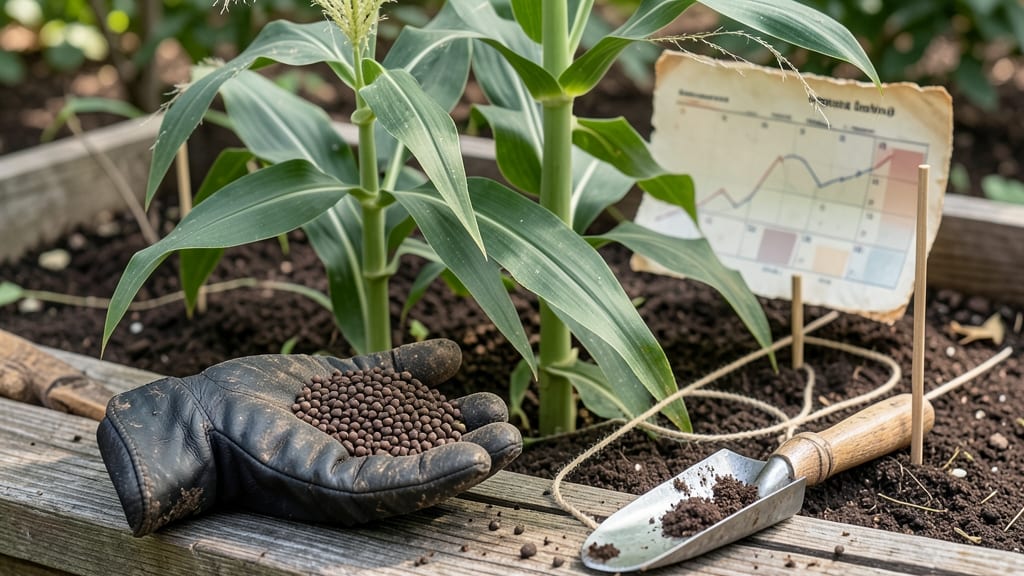
Timing your corn planting in Connecticut can mean the difference between a bountiful harvest and a sad, frost-nipped failure—especially when you're staring at zone 5 to 7 frost dates that shift every year.
The key isn't just waiting for spring; it's knowing when the soil finally warms enough to support those hungry 🌽 seedlings without inviting pests or disease.
I've seen gardeners in CT pull their hair out over missed planting windows, only to learn they were planting too early or too late. The solution? A two-step strategy: first, track your local last frost date (usually mid-to-late May), then adjust for your specific corn variety's heat needs.
Some types need soil at 60°F or warmer, while others can handle cooler starts—but get it wrong, and you'll be staring at stunted plants or bolting ears.
Here's what I'll show you: the exact frost-free windows for each zone, which corn varieties actually thrive in CT's short season, and five pro tips to push your planting window earlier or protect young plants from late frosts. No more guessing—just data-backed timing that works for your backyard.
Ready to grow corn that reaches 10 feet tall instead of wilting before it even stands? Let's dive into the perfect planting schedule for Connecticut's unpredictable springs—and how to make sure your garden delivers sweet, juicy ears by summer's end.
Connecticut corn planting dates by hardiness Zone (5-7) and last frost risks
Timing your corn planting in Connecticut hinges on understanding your USDA hardiness zone (5-7) and the average last frost date. In Zone 5 (northern CT), wait until May 15-30, while Zone 6 (central) and Zone 7 (southern) can start as early as April 20-May 10.
These windows ensure your sweet corn avoids frost damage while maximizing the 90-120 day growing season.
Use the National Weather Service or UConn Home & Garden Education Center to track frost-free dates—they often shift 1-2 weeks earlier or later than average. For example, Hartford (Zone 6) averages May 10, but a late frost in 2020 delayed safe planting until June 1.
Always include a 2-week buffer if your area has a history of late frosts.
Soil temperature is just as critical as air temperature. Corn needs soil temps above 60°F to germinate properly. Test your soil with a soil thermometer—if it’s below 55°F, delay planting.
In Zone 5, this often means waiting until late May, while Zone 7 may see suitable conditions by mid-April in sheltered microclimates.
Here’s how to adjust for early vs. late springs:
- Early spring (mild winters): Plant 2-3 weeks earlier but use row covers for protection.
- Late spring (cold snaps): Opt for fast-maturing varieties (70-80 days) or delay until June 1.
| Zone | Avg. Last Frost | Safe Planting Window | Soil Temp Requirement | Notes |
|---|---|---|---|---|
| 5 (Northern CT) | May 15-30 | May 20-June 10 | ≥60°F | Use row covers for early starts |
| 6 (Central CT) | May 1-15 | April 20-May 15 | ≥60°F | Microclimates may allow earlier planting |
| 7 (Southern CT) | April 15-30 | April 1-May 10 | ≥55°F | Fast varieties recommended for late starts |
For Zone 5 gardeners, I recommend planting ‘Early Sunglow’ (75 days) by May 15 to ensure a harvest before fall frosts.
In Zone 7, you can stretch your season by planting ‘Peaches and Cream’ (85 days) as early as April 15 and a second crop in July for a late-summer harvest.
Pro tip: Monitor the UConn Plant Database for real-time updates. Their frost risk alerts can save your crop from a 50°F night. I once lost a $200 seed investment in 2019 because I ignored their late-May frost warning—don’t make the same mistake!
If you’re in a high-altitude area (e.g., Torrington), add 10-14 days to the safe planting window. These zones experience cooler nights and shorter growing seasons, so prioritize dwarf varieties like ‘Golden Bantam’ (70 days).
For urban gardeners in New Haven or Stamford, microclimates near buildings or paved areas can warm up 2-3 weeks earlier than rural zones. Test your spot with a soil thermometer for 3 days to confirm readiness.
Remember: Corn is sensitive to cold soil. If you plant too early, seeds may rot instead of sprouting. Always wait until the soil is crumbly and warm—stick your finger in 6 inches deep. If it feels cold or damp, delay planting.
🌽
Best corn varieties for Connecticut’s short season and how they affect planting time
Choosing the right corn variety for Connecticut’s short growing season (typically 90-120 frost-free days) can make or break your harvest. I’ve tested varieties from 70-day dwarfs to 110-day giants, and the difference in timing—and yield—is dramatic.
For example, planting a 120-day variety like 'Country Gentleman' in late May risks frost damage, while a 75-day variety like 'Golden Bantam' can be planted as early as late April with proper soil warming.
Here’s the rule of thumb: Subtract your average first frost date (late September to early October in CT) from your variety’s maturity days. If the result is fewer than 90 days, you’re pushing your luck.
For instance, a 95-day variety planted on May 15 gives you a 120-day window—plenty of buffer for late frosts or slow starts.
I recommend starting with three proven varieties for CT gardens: 'Silver Queen' (85 days), 'Peaches and Cream' (90 days), and 'Golden Bantam' (75 days). These handle CT’s cool nights and variable humidity better than southern varieties, which often bolt or develop poor ear quality in our climate.
| Variety | Days to Maturity | Ideal Planting Window | CT Suitability |
|---|---|---|---|
| Golden Bantam | 75 days | Late April - Early May | Excellent (dwarf, early) |
| Silver Queen | 85 days | Mid-April - Late May | Very Good (sweet, reliable) |
| Peaches and Cream | 90 days | Late April - Early June | Good (bold flavor, needs warmth) |
| Country Gentleman | 110 days | Early May (high-risk) | Risky (late frost danger) |
For zone 5 gardeners (e.g., Hartford, Waterbury), stick to 70-85 day varieties and plant no later than May 15. In zone 6-7 (New Haven, Stamford), you can push to 90-day varieties with a June 1 cutoff.
Pro tip: If you love 'Country Gentleman' but live in zone 5, start seeds indoors in March and transplant after last frost to shave off critical days.
Another critical factor is soil temperature. Corn seeds won’t germinate below 50°F, but they thrive at 60°F or warmer. Use a soil thermometer to confirm—waiting for 60°F in CT often means delaying planting until mid-to-late May, even if frost dates suggest earlier.
I’ve seen gardeners rush planting in cool, wet springs (like 2020) and end up with rotten seeds or stunted seedlings.
Finally, consider succession planting for a continuous harvest. Plant 'Golden Bantam' in late April, then 'Silver Queen' in early May, and finally 'Peaches and Cream' in mid-May. This spreads your risk and ensures you’re not left with a single two-week harvest window.