
Companion Plants
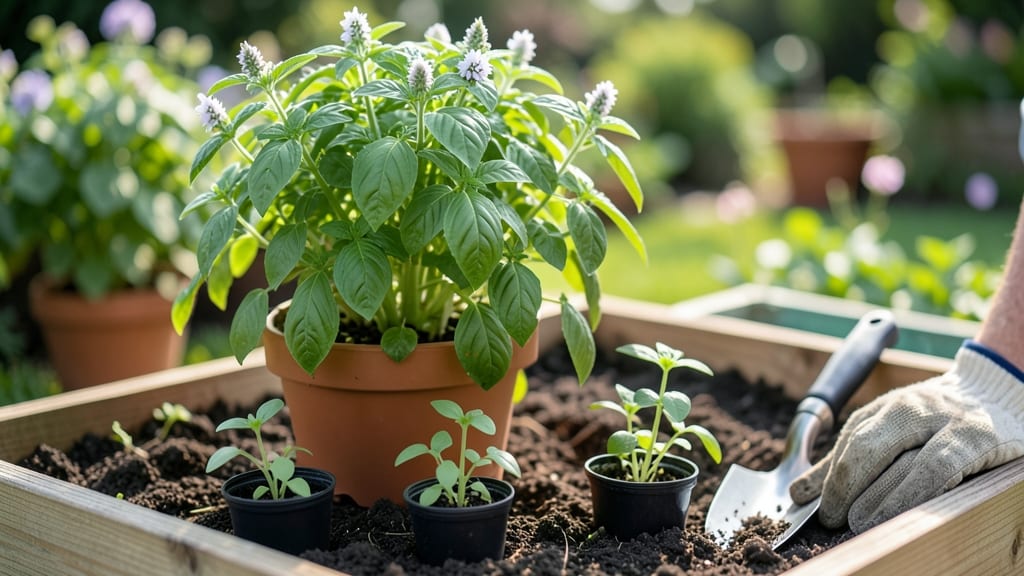
Timing your basil planting in Pennsylvania right means the difference between a thriving 🌿 harvest and a sad, frost-nipped disappointment. If you've ever rushed to plant basil only to watch it wilt under unexpected chilly nights, you know how critical this window really is.
For Pennsylvania gardeners in zones 5b-7a, the ideal time to plant basil is between April 15 and May 15, right after your last frost date. But here's the catch: soil temperature matters just as much as air temperature—basil roots need that 50°F minimum to really take off.
Whether you're starting seeds indoors or transplanting young plants, this guide will help you navigate Pennsylvania's variable climate. We'll cover exactly when to put those basil seedlings in the ground for maximum flavor and growth, plus how to extend your harvest season when summer heat rolls in.
Let's get your basil off to the best possible start—because nothing beats the taste of homegrown basil picked fresh from your garden. Ready to learn the secrets to a perfect Pennsylvania basil harvest?
Pennsylvania basil planting timeline by hardiness zone (avoid frost & maximize growth)
Pennsylvania spans USDA hardiness zones 5a-7a, which means your last frost date can vary dramatically—from early April in southern regions to late May in the north. Basil (Ocimum basilicum) thrives in warm soil (50°F+) and consistent temperatures above 55°F, making timing critical.
Plant too soon, and frost will kill tender seedlings; too late, and summer’s heat may stress your plants before harvest.
For direct sowing, aim for 2-3 weeks after your average last frost when soil temperatures consistently reach 50°F. Transplants can handle slightly cooler soil (45°F), giving you a 1-2 week earlier window if you start seeds indoors.
My Pittsburgh garden (zone 6a) typically waits until May 1 for direct sowing, while Philadelphia (zone 7a) gardeners can plant as early as April 15.
Use this frost-free timeline to align your planting with your specific zone. Remember: Basil grows best between 70-85°F, so avoid planting when summer’s 90°F+ heat waves are forecasted—your plants will bolt (flower prematurely) and lose flavor. A partial shade cloth can help during extreme heat.
🌱
| USDA Zone | Avg. Last Frost | Ideal Planting Window | Soil Temp Threshold | Harvest Ready By |
|---|---|---|---|---|
| 5a (Northeast PA) | May 10-20 | May 15-June 1 | 50°F+ (direct sow) / 45°F+ (transplant) | July 15-August 1 |
| 6a (Central PA) | April 25-May 10 | May 1-May 15 | 50°F+ (direct sow) / 45°F+ (transplant) | June 20-July 15 |
| 6b (South-Central PA) | April 15-25 | April 25-May 10 | 50°F+ (direct sow) / 45°F+ (transplant) | June 10-July 10 |
| 7a (Southeast PA) | April 1-April 15 | April 15-May 1 | 50°F+ (direct sow) / 45°F+ (transplant) | May 30-June 20 |
Note: Adjust for microclimates (e.g., urban heat islands plant 1 week earlier).
If you’re starting seeds indoors, begin 6-8 weeks before your last frost to ensure seedlings are 4-6 inches tall with 4-6 true leaves before transplanting. Use grow lights for 12-16 hours/day—basil needs bright light to prevent leggy, weak stems.
My zone 6a garden starts seeds March 15 for a May 1 transplant.
For direct sowing outdoors, choose a sunny, well-draining spot with 6+ hours of sunlight. Space seeds 12-18 inches apart in rows 18-24 inches apart to allow airflow and prevent fungal diseases. Basil hates crowded conditions, so avoid planting near large tomatoes—they’ll compete for nutrients and space.
After planting, mulch with straw or shredded leaves to retain soil moisture and suppress weeds. Basil’s shallow root system benefits from consistent moisture, but avoid soggy soil—root rot is a common issue in Pennsylvania’s humid summers.
Water at the base of plants in the morning to reduce fungal risks.
Monitor your basil for early signs of bolting (long stems with flower buds). If temperatures consistently exceed 90°F, provide afternoon shade with a lightweight row cover or shade cloth (30-50% shade). In zone 5a, consider succession planting every 2 weeks through June 15 to extend your harvest window.
🌿
How to extend basil’s growing season in Pennsylvania (cold frames, row covers & succession planting)
Even with perfect spring planting timing, Pennsylvania’s unpredictable weather can cut your basil harvest short. The average first frost hits around October 15, but with the right strategies, you can enjoy fresh basil until November—or even overwinter it indoors for early spring harvests.
Cold-hardy basil varieties like 'Spicy Globe' or 'Genovese' tolerate cooler temps better, but most types need protection when nighttime temps dip below 50°F. The key is combining protective covers, succession planting, and smart microclimate choices to stretch your growing window.
Here’s how to maximize your harvest with minimal effort—no fancy equipment required!
For row covers, simply drape lightweight fabric over your basil plants in the evening and remove it during the day to prevent overheating. This simple trick can add 2–4 weeks to your harvest season by shielding plants from chilly nights while still allowing sunlight.
If you’re feeling ambitious, a DIY cold frame is another game-changer. Use repurposed windows or clear plastic sheets to create a mini greenhouse. Place it in a south-facing spot to maximize sunlight, and prop open the lid on warm days to prevent condensation buildup.
With this setup, you can harvest basil until the first hard frost!
Don’t forget about succession planting—this is the secret to a never-ending supply of fresh basil. Instead of planting all your seeds at once, stagger them every 2–3 weeks from May through July.
This ensures you always have mature plants ready for harvest, even as older ones start to bolt or fade in the heat.
When all else fails, bring your basil indoors! Potted basil thrives near a south-facing window with supplemental grow lights if needed. Prune it regularly to encourage bushier growth, and you’ll have fresh leaves for pesto or pasta all winter long.
Just watch for pests like spider mites, which love indoor environments.
With these strategies, you’ll turn Pennsylvania’s short growing season into a basil bonanza—no matter what Mother Nature throws your way. Happy gardening! 🌱