
Plants
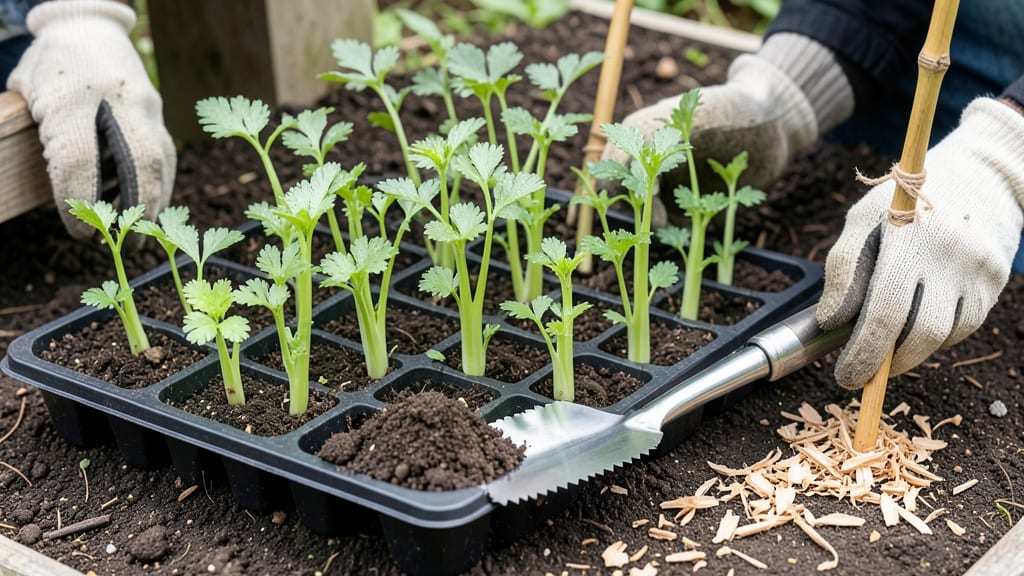
If you’ve ever bitten into homegrown celery 🥬 and wondered why store-bought stalks can’t compare, when to plant celery in zone 6 is the secret ingredient. Planting at the wrong moment—like mid-summer—can turn your crisp, sweet harvests into bitter, stunted disappointment.
The key? Two narrow windows where cool temperatures and steady moisture align perfectly for success.
Most gardeners in Zone 6a overlook the early spring window (March–April) because they’re distracted by tomatoes and peppers. But that’s when celery thrives, maturing just in time for summer harvests. Or, if you prefer a late-season crop, late July–August planting gives you crisp stalks by fall.
I’ll break down the exact weeks before your last frost date to maximize flavor and avoid common pitfalls.
What if your soil stays cold too long or summer heat arrives early? We’ll cover adjustments for Zone 6’s microclimates, including when to start seeds indoors versus direct-sowing for faster growth.
Plus, I’ll share companion planting tricks to keep pests away and extend your harvest window—because nobody wants to stop enjoying fresh celery 🥬 until winter.
Ready to grow celery that’s sweeter, crisper, and more abundant than anything you’ve bought? Let’s dive into the precise planting schedule that’ll make your garden the talk of the neighborhood—and your kitchen the envy of your friends.
Best planting windows for celery in Zone 6 (with frost timing)
Celery in Zone 6 thrives in cool weather, so timing your planting windows is critical for crisp, flavorful stalks. The key is to avoid hot summer months and late-season frost, which can ruin your harvest.
For Zone 6, I focus on two main planting periods: early spring and late summer, each with its own frost timing considerations.
In Zone 6, the last frost date typically falls around April 15, while the first frost arrives around October 15. These dates create a 165-day growing season, which is just enough for celery to mature before cold weather sets in.
Planning around these dates ensures your celery has time to grow without bolting or becoming bitter.
Celery is a cool-season crop, so I always prioritize planting it when soil temperatures are between 50°F and 75°F. If planted too early, cold soil slows germination, while planting too late risks exposure to heat stress, causing the stalks to become woody or hollow. Balancing these factors is key to success.
| Planting Window | Weeks Before Frost | Soil Temp Requirement | Notes |
|---|---|---|---|
| Early Spring (Direct Sow) | 12-14 weeks before last frost | 50°F (10°C) minimum | Start seeds indoors 10-12 weeks before last frost for earlier harvests. |
| Early Spring (Transplants) | 8-10 weeks before last frost | 55°F (13°C) minimum | Use hardened-off transplants to avoid transplant shock in cool soil. |
| Late Summer (Direct Sow) | 10-12 weeks before first frost | 60°F (15°C) maximum | Avoid planting after August 15 to prevent heat stress. |
| Late Summer (Transplants) | 6-8 weeks before first frost | 65°F (18°C) maximum | Use shade cloth to protect seedlings from intense afternoon sun. |
For early spring planting, I recommend starting seeds indoors 10-12 weeks before the last frost (around February 15 in Zone 6). This gives seedlings a head start before transplanting outdoors in early April.
If you prefer direct sowing, plant seeds 4-6 weeks before the last frost (around March 15) when soil temperatures reach at least 50°F.
In late summer, the goal is to plant celery 10-12 weeks before the first frost (around July 15). This ensures a harvest before cold weather arrives. Avoid planting after August 15, as rising temperatures can cause celery to bolt or develop bitter flavors.
If you live in a warmer microclimate within Zone 6, you might extend this window slightly, but always prioritize cooler fall temperatures.
One of my favorite tricks for Zone 6 gardeners is to use shade cloth when planting late summer crops. This helps regulate soil temperature and protects young seedlings from intense afternoon sun, which can scorch delicate leaves.
A 30-50% shade cloth works well for celery, especially in July and August.
Timing also depends on the celery variety you choose. Faster-maturing varieties like ‘Golden Self-Blanching’ can handle slightly later plantings, while slower varieties like ‘Tall Utah’ need the full 120-150 days to mature. Always check the seed packet for days to maturity and adjust your planting schedule accordingly.
Finally, keep an eye on your local frost dates, as they can vary by 5-10 days even within Zone 6. Use a frost calendar or ask fellow gardeners in your area for their observations. This small adjustment can make a big difference in your celery’s success.
With the right timing, you can enjoy crisp, homegrown celery from June through October (spring planting) and again in October and November (summer planting). The key is patience and planning—don’t rush the process, and your celery will reward you with flavorful, tender stalks every time!
Best planting windows for celery in Zone 6 (with frost timing)
In Zone 6, timing is everything for growing crisp, sweet celery. Since celery prefers cool temperatures (50–75°F), planting too early or late can result in bolting (premature flowering) or stunted growth.
The ideal windows are early spring and late summer, aligned with your local frost dates.
For Zone 6, the last frost date typically falls around April 15, while the first frost arrives by October 15. These dates create a 165-day growing window, perfect for celery’s 90–150-day maturity.
Planting too early risks cold-sensitive seedlings, while late planting may lead to bitter, woody stalks.
For early spring planting, begin indoor seeds in March to give seedlings a head start. Transplant outdoors after soil warms (aim for 50°F or higher) to avoid cold shock.
In late summer, direct-sow seeds in July for a fall harvest, but monitor heat stress—celery bolts quickly in temperatures above 80°F.
Pro tip: Use black plastic mulch to warm soil faster in spring or shade cloth to protect summer plantings. Both tricks help extend your growing window by 2–3 weeks on either end.
If you miss these windows, don’t despair! Some fast-maturing varieties (like ‘Tall Utah’) can be grown as late summer transplants for a small fall harvest. Just be prepared for smaller stalks if planted too late.
Remember: Consistent moisture is key—celery wilted once won’t recover. Mulch heavily to retain soil moisture and prevent bolting during hot spells. With the right timing, you’ll enjoy crisp, homegrown celery from June through November!