
Plants
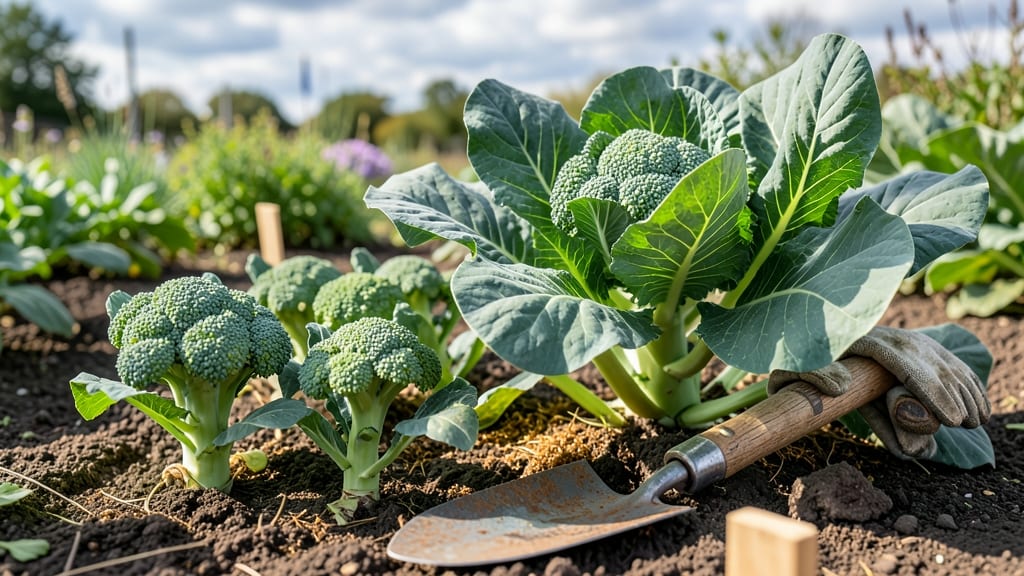
When to plant fall broccoli in Zone 7 could mean the difference between a bountiful harvest and wasted effort. Timing those seeds in the ground just right—6-8 weeks before your first frost—typically between late August and early September—ensures your broccoli thrives without bolting prematurely or falling victim to winter’s chill.
I’ve learned the hard way that broccoli thrives in cooler weather, but it needs time to mature. If you’re in Zone 7a-7b, aim for a mid-September harvest by starting seeds indoors in early August or transplanting young plants in late July.
This schedule balances growth speed with frost risk, ensuring your 🥦 stays crisp and productive.
What makes this even trickier? Some varieties mature faster than others. Fast growers like 'Waltham 29' can handle a late start, while cold-hardy types like 'Calabrese' need extra time. I’ll show you exactly how to pick the right variety and adjust your planting timeline for Zone 7’s unpredictable weather.
Ready to avoid the common mistakes? I’ll walk you through soil prep, spacing tips, and even how to extend your harvest with row covers. Let’s get those plants in the ground at the perfect moment—so you’re feasting on homegrown 🥦 all fall long.
Zone 7 fall broccoli planting timeline: weeks before frost for maximum yield
In Zone 7, your fall broccoli success hinges on planting at the right time—typically 8–10 weeks before your first frost. For most Zone 7 areas, this means starting seeds in late July to early August for a late-September harvest, or transplanting seedlings in mid-August.
Miss this window, and you risk bolting (premature flowering) from heat stress or frost damage before maturity.
Broccoli thrives in cool weather, so aim for soil temperatures between 50–75°F. If your summers linger into September, opt for fast-maturing varieties (like 'Waltham 29') to avoid heat-related stress. Conversely, if early frosts creep in, choose cold-hardy types (like 'Calabrese') to extend your harvest window.
Here’s the exact planting timeline for Zone 7, broken down by method:
| Stage | Action | Zone 7 Deadline |
|---|---|---|
| Seed Starting Indoors | Sow seeds 6–8 weeks before transplanting | Late July |
| Transplant Seedlings | Move hardened-off seedlings outdoors | Mid-August |
| Direct Sowing | Plant seeds directly in garden beds | Early to mid-August |
| Succession Planting | Sow new seeds every 2 weeks for staggered harvests | August 1–15 |
| Harvest Window | Pick heads before frost or bolting | October–November |
For Zone 7a (cooler microclimates), push planting to early August to avoid heat stress. In Zone 7b (warmer areas), start seeds in late June and transplant by mid-July for a fall crop.
Always check your local frost dates—Zone 7’s first frost typically arrives November 15–20, but microclimates can vary by 1–2 weeks.
Pro tip: Use black plastic mulch or straw mulch to warm the soil in early August, giving seedlings a head start. This is especially critical if your summer drags into September. Just remove the mulch once temperatures drop below 75°F to prevent overheating.
If you’re transplanting seedlings, harden them off for 7–10 days before moving them outdoors. Acclimate them gradually to sun and wind by placing them in a shaded spot for a few hours daily, then increasing exposure.
Skip this step, and your broccoli will go into transplant shock, stunting growth and delaying maturity.
For direct sowing, plant seeds ¼ inch deep and 18–24 inches apart in rows 24–30 inches apart. Thin seedlings to 12–18 inches apart once they’re 2–3 inches tall. Overcrowding leads to pale, spindly plants with poor yields, so don’t skip this step—even if it feels cruel!
Monitor your broccoli’s growth rate and adjust planting times accordingly. Fast varieties like 'De Cicco' mature in 45–55 days, while slower types like 'Calabrese' take 70–80 days.
If your first frost is November 15, plant fast varieties by August 15 and slow varieties by July 20 to avoid bolting.
Finally, mark your calendar for late September—this is when you’ll need to thin out bolting plants or protect them with row covers if temperatures drop unexpectedly. With the right timing, you’ll enjoy crisp, flavorful broccoli straight from your garden until the first hard frost.
Zone 7 fall broccoli planting timeline: weeks before frost for maximum yield
In Zone 7, your fall broccoli needs precise timing to thrive—plant too early, and heat will trigger bolting; too late, and frost will ruin your crop. The ideal window is 8–10 weeks before your first frost, typically mid-August to early September.
This ensures mature heads by late October, just before winter sets in.
For Zone 7a/7b, aim for August 15–September 1 for direct sowing. If starting seeds indoors, begin 6–8 weeks earlier (late June to early July). Transplants thrive when soil temps drop to 70°F, signaling cooler fall weather perfect for broccoli growth.
| Stage | Action | Zone 7 Deadline |
|---|---|---|
| Indoor Seed Start | Sow seeds 6–8 weeks before transplanting | Late June–early July |
| Direct Sowing | Plant seeds 1/4" deep, 18" apart | Mid-August–early September |
| Transplanting | Move seedlings outdoors after hardening | Late July–early August |
| Harvest Window | Pick heads when 6–8" wide | October–December |
Adjust for early vs. late varieties: Fast-maturing types like 'Waltham 29' (58 days) can handle a late August planting, while slower varieties like 'Calabrese' (75+ days) need an early August start. Check seed packets for days to maturity and count backward from your frost date.
Soil temperature matters—broccoli roots thrive in 60–70°F soil. Use a soil thermometer to confirm readiness. If temps stay above 80°F, provide afternoon shade to prevent bolting. Mulch with straw or leaves to regulate soil temps and retain moisture.
Pro tip: In Zone 7, your last frost is typically November 15. Plant a succession crop every 2–3 weeks after your initial sowing to stagger harvests. This ensures a continuous supply until winter.
For frost-tolerant varieties, like 'Belstar', you can push planting to mid-September—just cover young plants with row fabric if temps drop below 28°F. With the right timing, you’ll enjoy homegrown broccoli well into December!