
Plants
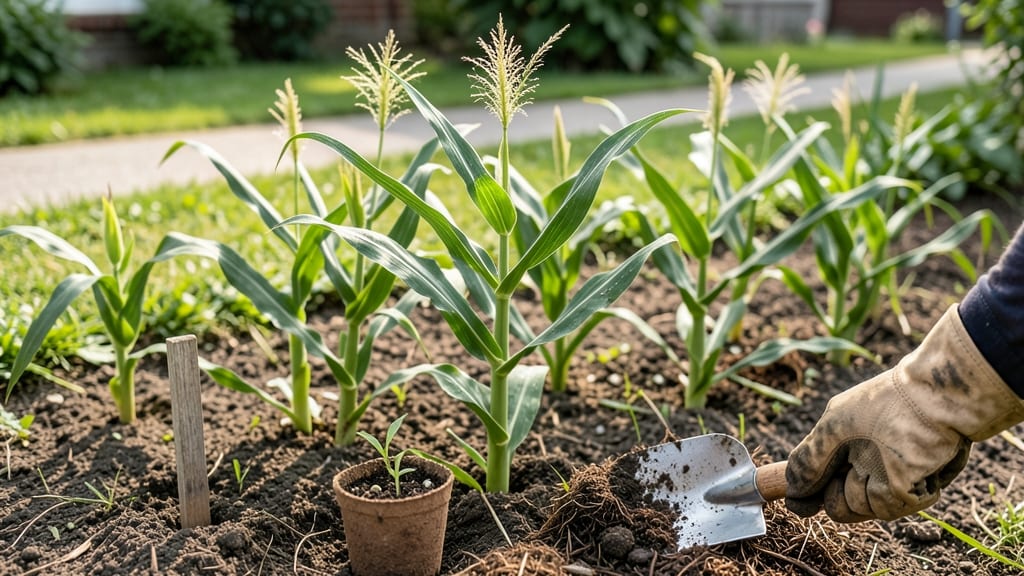
If you've ever tried growing 🌽 corn in Zone 9b only to watch your plants bolt before producing sweet ears, you're not alone.
The key to success here isn't just avoiding frost—it's mastering that narrow window between warming soil and the monsoon rains that can turn your crop into a flop.
Zone 9b's desert climate presents unique challenges: no frost to worry about, but scorching summer heat and unpredictable rainfall patterns. That's why planting at the right time—typically late winter to early spring—makes all the difference in getting your corn established before the heat ramps up.
In this guide, I'll show you exactly when to plant corn in Zone 9b to maximize your chances of success. We'll cover the science behind timing, how to adjust for your specific microclimate, and practical tips to keep your plants thriving until harvest season arrives.
Whether you're a first-time gardener or a seasoned grower looking to improve your yields, these insights will help you navigate Zone 9b's tricky growing conditions with confidence. Let's get your corn off to the best possible start!
Optimal planting weeks in Zone 9b: exact timeline to beat bolting
In Zone 9b, where summer heat arrives early and monsoon rains can drown tender seedlings, timing is everything. Unlike northern zones, you’re not racing against frost—you’re playing a high-stakes game of heat and humidity. Plant too early, and your corn bolts (sends up a flower stalk prematurely).
Plant too late, and the 100°F+ days stall growth. The sweet spot? 4-6 weeks before monsoon rains, typically late February to mid-March.
Why this window? Corn needs 60°F+ soil to germinate but consistent moisture to avoid drought stress. Monsoon rains in July-August provide that moisture, but by then, it’s too late to start from seed.
The goal is to have 60-90 day varieties mature before June’s heat peaks, when pollen production suffers.
Here’s the science: Corn grows fastest when daytime temps are 75-85°F and nights stay above 60°F. In Zone 9b, that’s March-April. Afternoons in May often exceed 90°F, triggering bolting. Use this table to align your planting with your local monsoon calendar.
| Stage | Action | Zone 9b Timeline | Soil Temp |
|---|---|---|---|
| Seedling | Plant seeds 1" deep | Late Feb - Mid Mar | 60-65°F |
| Vegative Growth | Thin to 12" spacing | March - Early Apr | 65-75°F |
| Tasseling | Monitor for bolting | Late Apr - May | 75-85°F |
| Harvest | Pick when silks brown | May - Early June | 70-80°F |
Pro tip: Check your local National Weather Service monsoon forecast. In Phoenix, rains typically start July 7 (average). Plant 6 weeks before (mid-May) for a 90-day variety, or 4 weeks before (late May) for a 75-day variety.
Adjust if your area gets early rains—Southern California’s coastal zones may need a 2-week earlier start.
For staggered planting, sow half your seeds every 2 weeks from late February to early April. This spreads harvests and reduces bolting risk. Just ensure your last planting finishes before June 15, when daytime temps often exceed 100°F.
Watch for heat stress signs: curled leaves, yellowing at the base, or silks drying before pollination. If temps hit 95°F+ during tasseling, hand-pollinate by transferring pollen with a paintbrush from tassels to silks. This can double your yield in extreme heat.
Microclimates matter in Zone 9b. Desert lowlands (like Yuma, AZ) can plant 2 weeks earlier than coastal areas (like San Diego). Use a soil thermometer—corn won’t germinate below 55°F, and growth stalls below 60°F. Wait until mornings stay above 65°F consistently.
If you miss the spring window, fall planting is risky but possible with shade cloth. Start seeds in late August for a 60-day variety, aiming to harvest by November 1.
Use black plastic mulch to warm soil faster and drip irrigation to avoid fungal diseases from evening moisture.
Remember: Zone 9b corn thrives on precision. The 10-day window between late February and mid-March separates success from frustration. Mark your calendar, test your soil, and get those seeds in the ground—before the heat steals your harvest.
Optimal planting weeks in Zone 9b: exact timeline to beat bolting
In Zone 9b, the ideal window for planting corn spans from mid-February to early April, aligning with soil temperatures that reach 60°F (15°C) and before the monsoon rains arrive. This timing ensures your corn has 8-12 weeks of warm weather to mature before summer heat peaks.
Corn thrives when planted 4-6 weeks before your area's last spring heatwave. In Phoenix, for example, this means aiming for late February to early March. For coastal areas like San Diego, you can extend planting slightly into April due to milder temperatures.
🌱 Pro Tip: Use a soil thermometer to confirm your soil is 60°F+ before planting. Cold soil slows germination and increases disease risk.
| Planting Window | Soil Temp | Daylight Hours | Key Consideration |
|---|---|---|---|
| Mid-February | 60°F+ | 11-12 hours | Avoid planting too early—soil may still be cool. |
| Late February - Early March | 65°F+ | 12+ hours | Optimal for germination and growth. |
| Mid-March - Early April | 70°F+ | 12-13 hours | Best for late-season varieties; avoid if monsoons arrive early. |
Adjust for microclimates: Urban areas may need earlier planting due to heat islands.
If you miss the spring window, fall planting is possible in Zone 9b, but only for fast-maturing varieties (60-70 days). Aim for late August to early September, ensuring harvest completes before October's cooler temps slow growth.
💧 Warning: Planting too late in spring risks bolting (premature flowering) as summer heat intensifies. Monitor local weather forecasts for monsoon onset—corn planted too close to these rains struggles with fungal diseases.
For maximum yield, stagger plantings every 2 weeks within your chosen window. This spreads out harvest times and reduces pressure on your garden's resources.