
Plants
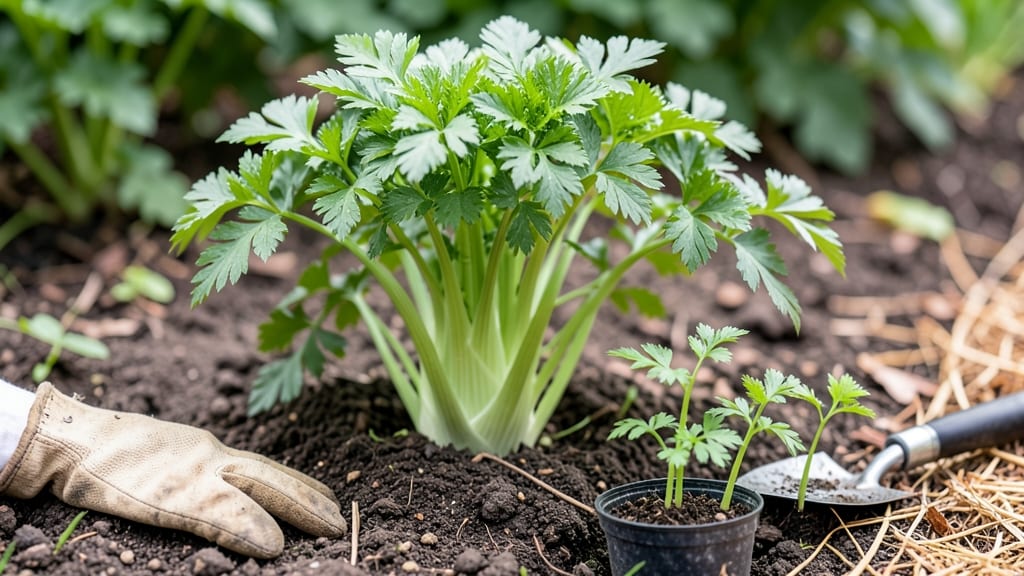
Ohio celery planting calendar: exact start dates by variety
Ohio’s USDA Zones 5-7 offer two prime windows for growing celery: early spring and late summer. Celery is a cool-season crop that bolts when temperatures exceed 75°F (24°C), so timing is critical.
For spring planting, start seeds indoors 10-12 weeks before your last frost date (typically mid-March for most of Ohio). For fall planting, sow seeds outdoors 8-10 weeks before the first frost (usually late July to early August).
Celery varieties like Tall Utah and Golden Self-Blanching are well-suited for Ohio’s climate. These varieties tolerate light frost and mature quickly enough to avoid summer heat stress.
In southern Ohio (Zone 7), you can push spring planting slightly later, but northern Ohio (Zone 5) gardeners should start seeds indoors as early as February to avoid delays.
Here’s your Ohio celery planting timeline broken down by variety and region:
| Variety | Spring Start Date (Indoors) | Transplant Outdoors | Fall Start Date (Outdoors) | Harvest Window |
|---|---|---|---|---|
| Tall Utah | Mid-February to early March | Mid-April to early May (after last frost) | Late July to early August | August–October (spring) / October–November (fall) |
| Golden Self-Blanching | Late February to early March | Late April to early May | Early August | September–November (spring) / October–December (fall) |
| Utah Improved | Early March | Early May | Mid-August | September–October (spring) / November (fall) |
*Timing adjusts 1-2 weeks earlier for southern Ohio, 1-2 weeks later for northern Ohio.
For direct sowing outdoors, wait until soil temperatures reach 50°F (10°C)—typically mid-April to early May in Ohio. Use row covers to protect seedlings from late spring frosts, which can stunt growth.
In fall, aim to harvest before first frost (usually mid-October), as celery won’t survive freezing temperatures.
Ohio’s humidity and summer heat can stress celery plants, so choose shade-tolerant varieties if your garden gets intense afternoon sun. Mulching with straw or shredded leaves helps retain moisture and regulate soil temperature, which is especially important in dry spells common in July and August.
Pro tip: If you’re growing celery for self-blanching varieties, like Golden Self-Blanching, start seeds 2 weeks earlier than regular celery. These varieties take slightly longer to mature but produce crisp, pale stalks without manual blanching.
Always monitor your local frost dates—Ohio’s can vary by 1-2 weeks depending on microclimates. Use the Old Farmer’s Almanac or your local Cooperative Extension office for precise deadlines in your area. With the right timing, you can enjoy homegrown celery from summer through fall!
🌱
How to extend Ohio’s celery growing season with succession planting
Ohio’s short growing season and summer heat make celery a challenging crop—but not impossible! With succession planting, you can stretch your harvest from late summer to early fall. The key is timing your plantings to avoid bolting (when celery flowers prematurely) and keeping soil temperatures cool.
Start your first batch of seeds indoors 10-12 weeks before Ohio’s last frost date (April 15). For a second harvest, sow another batch outdoors in early July—this gives plants enough time to mature before fall frosts arrive (October 15).
Use shade cloth (30-50%) during peak summer heat to protect seedlings.
🌱 Did You Know? Celery prefers soil temps between 60-70°F. In Ohio’s heat, soil can exceed 80°F, shocking young plants. Test soil temps with a thermometer before planting—wait until it drops below 75°F for direct sowing.
📌 5 Steps to Extend Your Celery Season
- 1. Start Indoors Early – Sow seeds 2-3 months before last frost (Feb-March) for spring harvest.
- 2. Use Shade Cloth – Cover seedlings with 30-50% shade in July-August to prevent bolting.
- 3. Plant in Stages – Sow new batches every 2-3 weeks for continuous harvests.
- 4. Mulch Heavily – Apply 2-3 inches of straw mulch to keep roots cool.
- 5. Choose Heat-Tolerant Varieties – Try 'Utah' or 'Golden Self-Blanching' for better Ohio heat resistance.
Companion planting also helps! Grow basil or lettuce nearby to provide shade and deter pests like celery moths. Avoid planting near carrots or parsnips, which compete for nutrients. In Ohio’s humid summers, space plants 12-18 inches apart to improve airflow and reduce disease risk.
For a fall harvest, your last succession planting should go in by mid-August. By October 1, you’ll have crisp, homegrown celery ready for soups and salads—just in time for Ohio’s cooler weather.
With these strategies, you can enjoy fresh celery for 3-4 months instead of just a few weeks!
Pro tip: Harvest outer stalks first to encourage regrowth. Leave the central crown intact and keep soil moist—this gives you 2-3 harvests per plant in Ohio’s climate. 🌿