
Planting
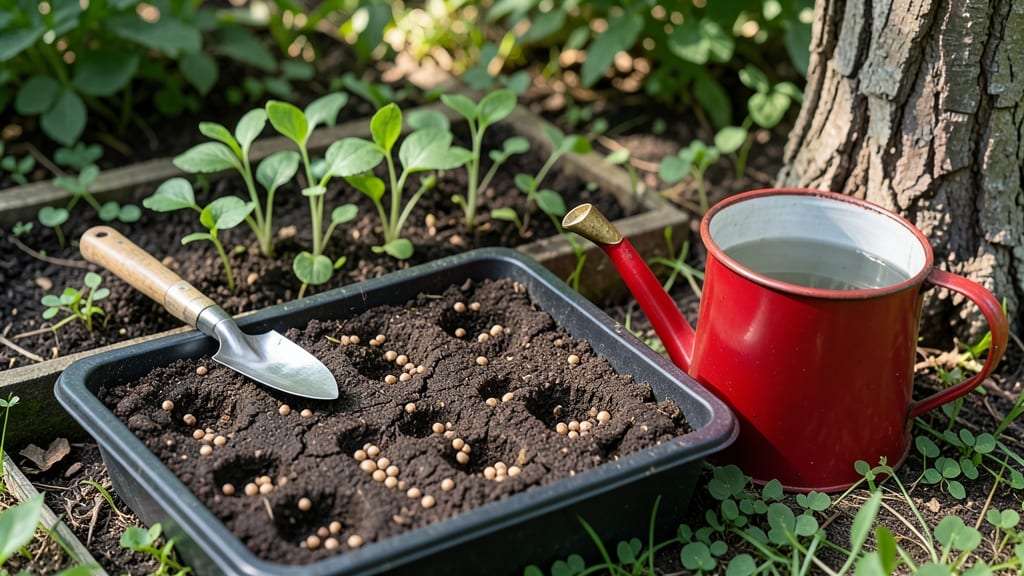
If you're wondering when to plant alfalfa in the fall, timing is everything—especially in USDA Zone 6a where frost can make or break your crop.
The sweet spot? Late summer to early fall, about 4-6 weeks before your first frost, when soil stays warm enough for germination but nights grow cooler.
Alfalfa 🌱 thrives when planted early enough to establish roots before winter, yet late enough to avoid summer heat stress. Get it wrong, and you risk weak seedlings or frost damage. But with the right approach, fall-planted alfalfa can outperform spring sowings by developing deeper, hardier root systems.
I’ll walk you through the exact planting window for your zone, plus soil prep secrets and cold-hardy varieties that survive winter like champs. No more guessing—just proven strategies to set your alfalfa up for success next spring.
Ready to plant with confidence? Let’s break down the steps so your alfalfa grows strong, even when temperatures drop.
Optimal fall planting dates for alfalfa by USDA hardiness zones
Timing your alfalfa planting in fall is all about balancing soil warmth and frost risk. The sweet spot is 4-6 weeks before your first frost date, when soil temps hover between 60°F and 70°F. This window lets seedlings establish roots before winter dormancy kicks in.
Northern climates (Zones 3-5) have tighter windows—aim for late August to mid-September. Southern regions (Zones 7-10) can stretch planting until early October, thanks to milder winters. The key is avoiding frost-sensitive seedlings while giving plants time to harden off.
Here’s the zone-by-zone breakdown to nail your planting window:
| USDA Zone | Ideal Planting Window | Soil Temp Threshold | Frost Risk |
|---|---|---|---|
| 3-5 | Late August - Mid-September | 60°F - 65°F | High (early frost) |
| 6-7 | Mid-August - Late September | 65°F - 70°F | Moderate |
| 8-10 | Early September - Early October | 70°F - 75°F | Low (mild winters) |
For example, if your first frost falls on October 15, plant between September 1-15. Use a soil thermometer to confirm temps—alfalfa seeds need warmth to germinate but won’t tolerate heat above 80°F for long.
Pro tip: In Zone 4 or colder, consider a lightweight row cover after planting to shield seedlings from early cold snaps. This buys you 2-3 extra weeks of growth before winter sets in.
Regional adjustments matter too. Coastal areas with milder microclimates (like Pacific Northwest) can plant later, while inland zones may need to start earlier. Check your local cooperative extension service for hyper-local advice.
Once you’ve picked your window, prep your soil 1-2 weeks ahead. Alfalfa thrives in well-draining, slightly alkaline soil (pH 6.8-7.5). Work in compost or aged manure to boost organic matter—this helps roots establish before winter.
After planting, mulch heavily with straw or shredded leaves to insulate roots and retain moisture. This is especially critical in dry fall conditions, where evaporation can dry out young seedlings.
Remember: The goal is root development, not top growth. A smaller, hardier plant entering winter will outperform a leggy seedling that freezes back.
Optimal fall planting dates for alfalfa by USDA hardiness zones
Timing your alfalfa planting in fall depends on your USDA hardiness zone and local frost dates. The goal? Give seedlings 4-6 weeks of warm soil before winter dormancy. In Zone 6a, aim for late August to early September—just before soil temps dip below 50°F (10°C).
Northern zones (3-5) need earlier plantings—mid-August—to avoid early frosts, while southern zones (8-10) can wait until late September or October. Check your last frost date and count backward to find your sweet spot.
Soil temperature is critical. Alfalfa seeds won’t germinate below 55°F (13°C), so use a soil thermometer to confirm readiness. If temps drop too fast, seedlings may fail to establish before winter.
| Zone | Planting Window | Soil Temp Threshold | Frost Risk |
|---|---|---|---|
| 3-5 | Mid-August | 55-60°F (13-16°C) | High (early frost) |
| 6-7 | Late August-Early Sept | 50-55°F (10-13°C) | Moderate |
| 8-10 | Late Sept-October | 55-65°F (13-18°C) | Low (mild winters) |
Regional adjustments matter. In Zone 6a, I’ve seen success planting as late as September 15th if soil stays warm. But if your area has unpredictable frosts, err on the earlier side. A light mulch (straw or leaves) can extend the window by 1-2 weeks.
Watch for soil moisture too. Dry fall soils can stall germination, while soggy conditions invite rot. Aim for consistently moist (not waterlogged) soil until seedlings sprout. A drip irrigation system helps maintain even moisture.
Pro tip: Plant a test row 2 weeks before your target date. If seedlings emerge within 7-10 days, you’re golden. If not, wait another week or two. This simple trick saves time and heartache!