
Plants
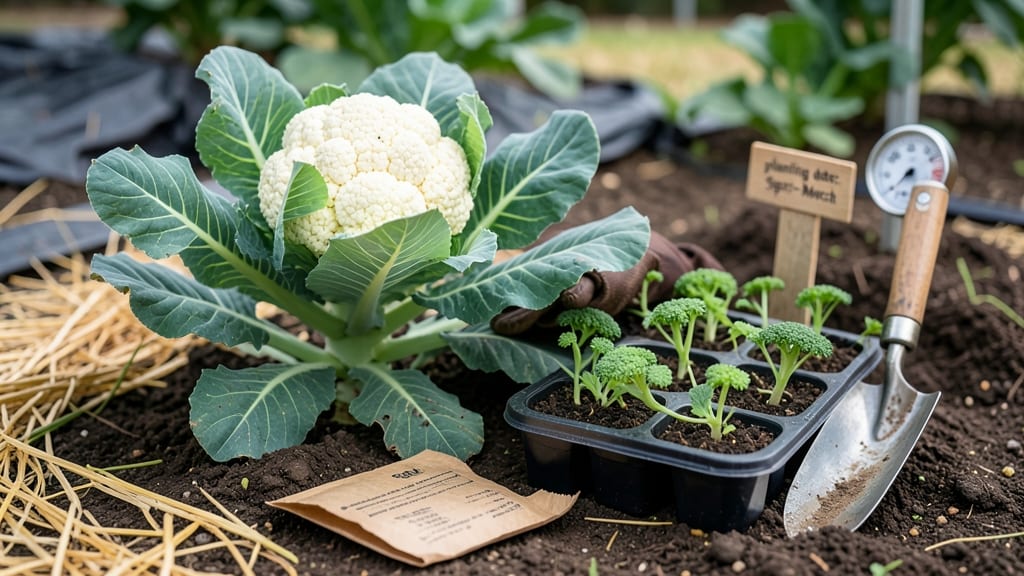
If you’ve ever watched your 🥬 cauliflower bolt into flower before forming a single edible head, you know when to plant cauliflower in Florida can turn your crop into a sad, bitter memory—but get the timing right, and you’ll harvest plump, snow-white curds straight from your backyard.
Florida’s 9a-10b zones might sound like a gardener’s paradise, but they’re actually a double-edged sword: too early, and frost (yes, even here!) can wipe out seedlings; too late, and the heat sends your plants into premature flowering.
The solution? A county-specific planting strategy that accounts for microclimates, soil temps, and even urban heat islands. I’ll break down the ideal windows—plus how to stretch your season without risking bolting.
Most Florida gardeners swear by September-October starts, but what if you’re in Miami vs. Tallahassee? Or want a second crop in January? I’ll show you how to adjust planting dates based on your exact location, plus the top heat-resistant varieties that thrive in Florida’s unpredictable swings.
No more guessing—just a foolproof plan for harvesting cauliflower from December to March.
Ready to ditch the trial-and-error? Let’s dive into the precise deadlines and pro tips that’ll have your cauliflower heads looking like they belong in a gourmet grocery store—not the compost bin. Your future meals (and your wallet) will thank you.
Florida’s cauliflower planting zones by county: avoid bolting with exact deadlines
Cauliflower thrives in Florida’s cool winters but wilts under summer heat. The key to success? Planting during ideal temperature windows—typically when daytime highs stay below 80°F. Florida’s 10 agricultural zones create microclimates where timing varies by county and elevation.
Northern counties like Jacksonville and Tallahassee have earlier deadlines than Miami or Fort Lauderdale, where heat lingers longer.
Miss the window, and your cauliflower will bolt (send up flower stalks) before forming heads. Bolting turns tender curds into bitter, inedible stalks. To avoid this, I’ve mapped out county-specific deadlines based on USDA Hardiness Zones 9a–10b, frost risk, and heat tolerance thresholds.
Use these as your planting guide—adjust by 1–2 weeks if your yard experiences unusual heat or shade.
🌱 Visual Guide: Florida Cauliflower Planting Zones
For North Florida (e.g., Jacksonville), aim for mid-August to early September for fall plantings. The last frost date here is around January 15, so your second window opens in late January.
In Central Florida (e.g., Orlando), shift your timeline 2 weeks later—start by late August and avoid planting after November 1.
Southern counties like Miami or Naples have the latest deadlines due to their warmer microclimates. Here, September 15–October 1 is your only safe window for fall crops. If you miss it, wait until mid-February for a spring attempt—but expect smaller yields before summer heat sets in.
Pro tip: Use a soil thermometer to confirm ideal planting temps. Cauliflower roots thrive when soil stays between 60–70°F. If your soil runs hotter, delay planting or use shade cloth to cool it down.
I’ve had best success in well-draining raised beds with morning sun and afternoon shade.
Bolting risk spikes when daytime temps exceed 80°F. In South Florida, this happens by April, so plan your second planting window for February at the latest. For North Florida, you’ve got a slightly longer grace period—up to March 15—but monitor weekly highs closely.
🌡️ Key Takeaway: Florida’s county-specific heat zones dictate your planting deadlines. Stick to these windows, and you’ll avoid the #1 enemy of Florida cauliflower: premature bolting. Next, we’ll cover microclimate adjustments for urban vs. rural yards to fine-tune your timing further.
How to adjust planting dates for Florida’s microclimates: heat tolerance hacks
Florida’s urban heat islands—think Miami, Orlando, or Tallahassee—can push soil temperatures 10–15°F hotter than rural areas just 5 miles away. This microclimate shift forces cauliflower gardeners to adjust planting dates by 2–4 weeks to avoid bolting.
For example, a January transplant in Jacksonville might thrive, while the same timing in Fort Lauderdale could trigger premature flowering by March. The key? Soil thermometers and strategic shade.
Start by testing soil temperature at 4-inch depth—cauliflower seeds need 45–55°F to germinate, but seedlings wilt above 85°F. In South Florida, this means fall planting must end by October 15 to avoid winter heat spikes.
Meanwhile, North Florida gardeners can push spring plantings to March 1 without frost risk. Use shade cloth (30–50%) to lower canopy temps by 10–15°F during peak afternoon heat.
- 📅 Shift planting 2–3 weeks earlier than rural zones (e.g., September 1 vs. September 15)
- ✂️ Prune lower leaves to improve airflow and reduce heat buildup in dense foliage
- 💧 Water deeply at dusk to cool soil overnight (avoid wetting leaves)
- 🌿 Use reflective mulch (aluminum foil or white plastic) to deflect 20% more sunlight
- 🌱 Harden seedlings gradually with 50% shade cloth for 7–10 days before transplanting
For rural Florida, where nights stay cooler, extend your window by 1–2 weeks. For example, Gainesville’s second planting can go until November 1 without bolting risks. Monitor nighttime lows: if temps drop below 50°F, cover seedlings with row fabric to prevent stunting.
In South Florida, prioritize heat-tolerant varieties like ‘Purple of Sicily’ and plant January–February for spring harvests before summer heat arrives.
Pro tip: Transplant on overcast days or late afternoon to reduce shock. If your area experiences unpredictable heat spikes (like Orlando’s sudden 95°F+ days in December), opt for container growing—pots heat up faster than soil, so move them to shadier spots or elevated beds during heatwaves.
Finally, track your local heat islands using tools like the NOAA Climate Data API or Weather Underground. Compare your neighborhood’s average highs to rural benchmarks—if you’re 5°F hotter, adjust planting dates 10–14 days earlier.
With these tweaks, you’ll beat bolting and enjoy harvests year-round in Florida’s tricky climate.
🌱