
Plants
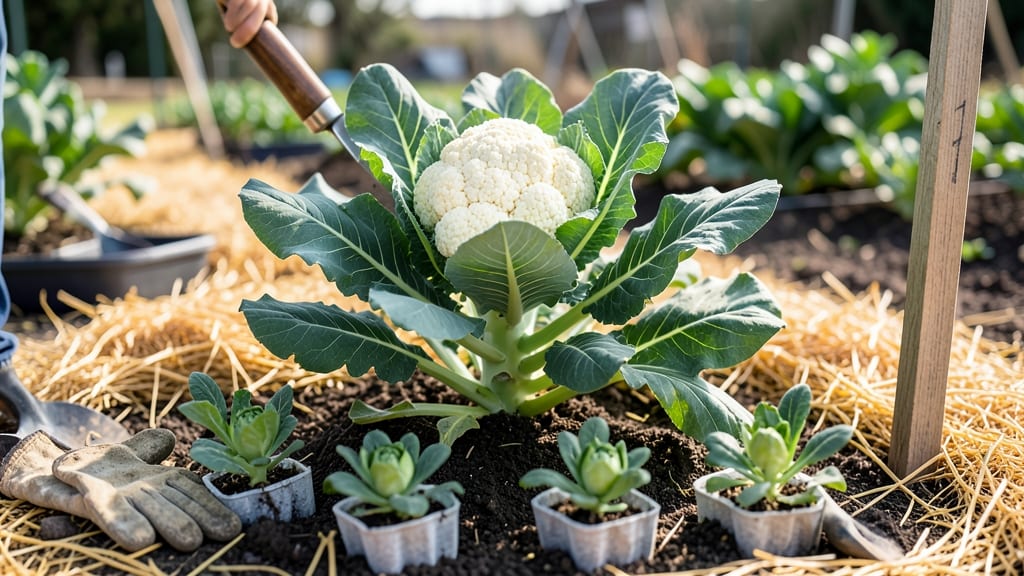
Timing your cauliflower 🥬 planting in Georgia isn’t just about throwing seeds in the dirt—it’s the difference between a bountiful harvest and bitter disappointment. With Georgia’s 7b-8b climate, planting too early risks heat stress, while waiting too long means frost steals your crop.
The key? Knowing exactly when to start seeds indoors or set out transplants for spring and fall success.
Spring plantings should begin indoors by mid-February, with hardened-off seedlings ready to go into the garden by early April. Fall crops, on the other hand, demand a different strategy—late July starts ensure mature heads before the first frost in mid-November.
But here’s the catch: soil temperature and variety choices matter just as much as dates.
Let’s break down the perfect planting calendar for your Georgia garden, including soil prep tricks to keep your 🥬 cauliflower cool and happy.
Whether you’re a first-time grower or a seasoned pro, these insights will help you avoid the most common mistakes—and maybe even grow a head or two bigger than your neighbors’!
Ready to stop guessing and start growing? I’ll walk you through the exact steps, from seed selection to harvest, so you can enjoy fresh, homegrown cauliflower straight from your Georgia garden. Let’s get those plants in the ground the right way!
Georgia’s best cauliflower planting windows: fall vs. spring breakdown
Georgia’s USDA zones 7b-8b offer two prime windows for growing cauliflower: cool spring and mild fall. The key is planting when soil temps stay below 85°F to prevent bolting—the bitter-tasting rush to flower caused by heat stress.
Spring crops thrive with early starts, while fall plantings avoid summer’s oppressive humidity. Let’s break down the exact months and varieties that work best.
For spring cauliflower, the ideal planting window is mid-February to early April, giving you transplants ready just as the last frost (mid-March) passes. This timing ensures heads form before summer heat arrives.
Meanwhile, fall crops should go in late July to early September, allowing 10-12 weeks of growth before the first frost (mid-November) hits. Both seasons require careful planning to avoid common pitfalls like stunted growth or premature flowering.
Here’s how to match your planting schedule to Georgia’s climate:
| Season | Planting Window | Transplant Ready | Harvest Time | Best Varieties |
|---|---|---|---|---|
| Spring | Mid-February to early April | Early April to mid-May | May to early June | Snowball Y, Purple of Sicily |
| Fall | Late July to early September | Mid-August to late September | October to mid-November | Graffiti, Cheddar |
In spring, start seeds indoors 6-8 weeks before your last frost date (around February 1st for most of Georgia). Transplant seedlings outdoors once soil temps dip below 70°F and nighttime temps stay above 40°F.
For fall crops, direct-sow seeds in late July or transplant starts in early August to beat the heat. Use shade cloth if daytime temps exceed 85°F to protect young plants.
Georgia’s humidity and summer heat make fall planting the most reliable choice for beginners. The cooler nights of September and October create ideal conditions for head formation, while spring crops require more vigilance against bolting.
Choose bolt-resistant varieties like ‘Graffiti’ for fall or ‘Snowball Y’ for spring to improve your odds of success.
Pro tip: Test your soil pH before planting—cauliflower thrives in 6.0-7.0 pH. Amend with lime if needed, as Georgia’s sandy soils often lean acidic. Add compost or well-rotted manure to enrich the soil with organic matter, which improves moisture retention during Georgia’s dry spells.
If you’re growing in North Georgia (Zone 7b), plan for an earlier last frost (late March) and adjust your spring planting window to late January to early March.
In South Georgia (Zone 8b), you can push fall planting slightly later (early September) and extend harvests into December with row covers. Always monitor local weather forecasts, as microclimates can shift planting windows by weeks.
For container gardening, use large pots (at least 12 inches deep) and plant one cauliflower per container. Containers warm up faster than garden beds, so start seeds 2 weeks earlier than your outdoor schedule.
Place pots in partial shade during summer to prevent overheating. This method works well for balconies or patios in urban Atlanta or Savannah.
Remember: Consistent moisture is critical. Cauliflower heads need 1-2 inches of water weekly, delivered in the morning to reduce fungal risks. Use drip irrigation or soaker hoses to keep foliage dry, especially in Georgia’s humid summers. Mulch with straw or pine needles to retain soil moisture and suppress weeds.
By following this schedule, you’ll avoid the two biggest cauliflower killers in Georgia: heat-induced bolting and frost damage. With the right timing, you can enjoy crisp, flavorful heads from both spring and fall crops—proof that Georgia’s climate can work in your favor with a little planning. 🌱
Georgia’s best cauliflower planting windows: fall vs. spring breakdown
Georgia’s 7b-8b climate gives you two prime chances to grow cauliflower 🥬: spring and fall. But the timing couldn’t be more different. For spring, start seeds indoors by mid-February so you can transplant hardened-off seedlings into the garden by early April, just as soil warms.
Fall crops, however, need a later start—late July—to mature before the first frost hits in mid-November.
Why the difference? Spring seedlings need time to establish before summer’s heat arrives, while fall plants must avoid early frost. Both seasons demand cool soil temperatures (below 85°F) to prevent bolting. Let’s dive into the exact planting windows and variety recommendations to maximize your harvest.
| Season | Start Indoors | Transplant Outdoors | Harvest Window | Best Varieties |
|---|---|---|---|---|
| Spring | Mid-February | Early April | May-June | Snowball, Purple of Sicily |
| Fall | Late July | Early September | October-November | Graffiti, Cheddar |
For spring plantings, aim to have seedlings ready by early April, when soil temperatures hover around 55-65°F. This gives them enough time to mature before summer’s heat sets in. In contrast, fall crops need to be in the ground by early September to develop heads before frost arrives.
Both seasons require well-draining soil enriched with compost to retain moisture and nutrients.
Pro tip: Use shade cloth during peak summer months if you’re experimenting with summer plantings, though this isn’t ideal. Georgia’s humidity and heat make summer cauliflower a gamble—stick to spring and fall for the best results. Varieties like Snowball and Graffiti are top picks for their adaptability to Georgia’s climate.
Remember, soil temperature is your best friend. Use a soil thermometer to confirm it’s below 85°F before transplanting. This small step can save you from bitter, bolted heads. With these windows, you’ll be well on your way to a successful harvest—whether you’re a beginner or a seasoned gardener.
Now that you’ve got the timing down, let’s talk about how to keep your cauliflower cool and happy in Georgia’s heat. Stay tuned for my next tips on avoiding bolting and maximizing your yield! 🌱