
Plants
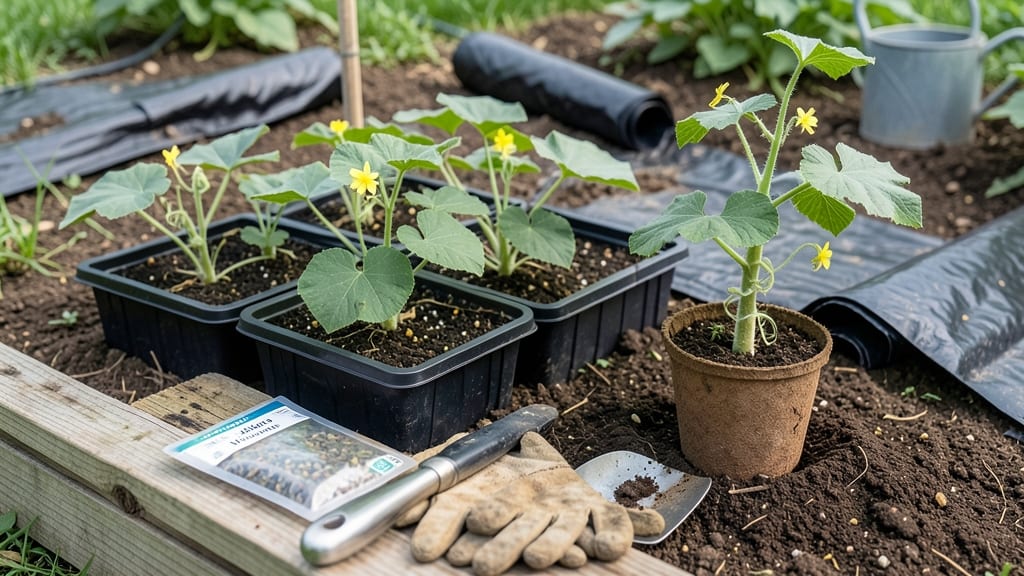
Knowing when to plant cantaloupe in Zone 9b can mean the difference between sweet, juicy harvests and bitter, bolted disappointment. If you've ever watched your cantaloupe plants 🍈 race toward flowering too fast—only to produce tiny, seedy fruits—you're not alone.
Zone 9b's relentless heat and long days make traditional spring planting risky, but there's a smarter approach: strategic fall planting. By timing your seeds just right, you can bypass the extreme summer heat while still enjoying a full harvest before winter sets in.
I've grown cantaloupe in Phoenix for years, and what I'm about to share will help you avoid the most common mistakes. From soil temperature triggers to variety selection, these insights will give you the confidence to plant at the perfect moment—without guessing.
Let's dive into the exact dates, soil conditions, and pro tips that will transform your cantaloupe growing season from frustrating to foolproof. Your garden (and taste buds) will thank you.
Zone 9b cantaloupe planting timeline: exact dates for fall success
Fall planting is your best bet for growing sweet, bolting-free cantaloupes in Zone 9b. Unlike spring planting, fall avoids the brutal summer heat that causes cantaloupes to bolt prematurely or develop bitter flavors.
The key is planting when day lengths shorten and soil temperatures stay warm—typically between late July and early September.
In Zone 9b, where summers can exceed 100°F (38°C), cantaloupes struggle to set fruit properly. Fall planting lets them mature before winter sets in. For example, if you plant 'Hale's Best' in mid-August, you’ll harvest by late October—just before cooler weather slows growth.
Timing is everything, and a soil thermometer is your best friend here.
Here’s the exact planting window for fall success in Zone 9b:
If you’re in Phoenix or the desert Southwest, aim for late July to early August planting. In cooler coastal Zone 9b areas like San Diego, you can push planting to mid-August.
The goal is to have fruit mature before temperatures drop below 60°F (15°C) at night, which stunts growth.
For heat-sensitive varieties like 'Minnesota Midget', plant on the earlier end of the window (late July). Heat-tolerant types like 'Ambrosia' can handle mid-August plantings without bolting. Always check your local last frost date—though Zone 9b rarely sees frost, cool snaps can delay harvests.
Pro tip: Use a row cover in early fall to extend the season by 2-3 weeks. This traps heat during the day and insulates at night, giving cantaloupes extra time to ripen. Just remove the cover by mid-October to avoid trapping moisture and promoting disease.
One common mistake is planting too late. If you miss the August window, cantaloupes won’t mature before winter. Track day length—aim for 12-14 hours of daylight during the growing season.
Shorter days signal the plant to bolt and flower, but if days get too short (10 hours), growth slows dramatically.
Finally, soil preparation is non-negotiable. Cantaloupes thrive in well-draining, sandy loam with a pH of 6.0-7.0. Amend your soil with compost and aged manure 4-6 weeks before planting to ensure nutrients are available. In Zone 9b’s alkaline soils, a sprinkle of sulfur can help lower pH slightly.
Ready to plant? Grab your soil thermometer, mark your calendar for late July to early August, and get those seeds in the ground. Your sweet, homegrown cantaloupes will thank you—no bitterness or bolting in sight! 🍈
5 Critical fall planting factors that prevent cantaloupe bolting in Zone 9b
Cantaloupe plants in Zone 9b bolt—sending up flower stalks too quickly—when they sense day length changes or soil temperature spikes. Fall planting avoids this by aligning with the plant's natural rhythm, but you still need to monitor these 5 critical factors to keep your vines productive and sweet.
First, day length adjustments are your secret weapon. Cantaloupe thrives when days are 12-14 hours long. In Zone 9b, this means planting in late August to early September—just as days begin shortening.
This timing tricks the plant into focusing on leaf and root growth before flowering, delaying bolting by 3-4 weeks.
Next, soil temperature triggers must be 70-85°F (21-29°C) for seeds to germinate without stress. Use a soil thermometer to check depths of 1-2 inches. If temps drop below 65°F (18°C), delay planting or use black plastic mulch to warm the soil faster.
- Day Length: Plant when days are 12-14 hours (late August–early September).
- Soil Temp: 70-85°F (21-29°C) for germination; use mulch if cooler.
- Transplant Shock: Harden off seedlings for 7-10 days before planting.
- Watering: Deep water every 2-3 days; avoid wetting leaves.
- Row Covers: Use floating row covers to extend season by 2-3 weeks.
Transplant shock is another silent bolting trigger. Seedlings grown indoors or in cool weather go into survival mode when planted in Zone 9b’s heat. To prevent this, harden off seedlings for 7-10 days by gradually exposing them to direct sun and outdoor temps.
Start with 2 hours/day and increase by 1 hour daily.
Consistent watering patterns also prevent bolting. Cantaloupe roots need deep, infrequent watering—1-2 gallons per plant every 2-3 days. Water at soil level, not overhead, to avoid fungal diseases like powdery mildew, which weakens plants and triggers early flowering.
A drip irrigation system is ideal for Zone 9b’s heat.
Finally, row covers can extend your fall harvest by 2-3 weeks. Use floating row covers to protect plants from cool nights (below 60°F/15°C) while still allowing sunlight and airflow.
Remove covers during the day if temps rise above 85°F (29°C) to prevent overheating. This simple trick adds extra time for fruit maturation before winter.
By mastering these 5 factors, you’ll grow cantaloupe that matures at the perfect pace—sweet, ripe, and ready for your table. The key? Timing, temperature, and tenderness—just like a well-tended vine deserves. 🌿