
Plants
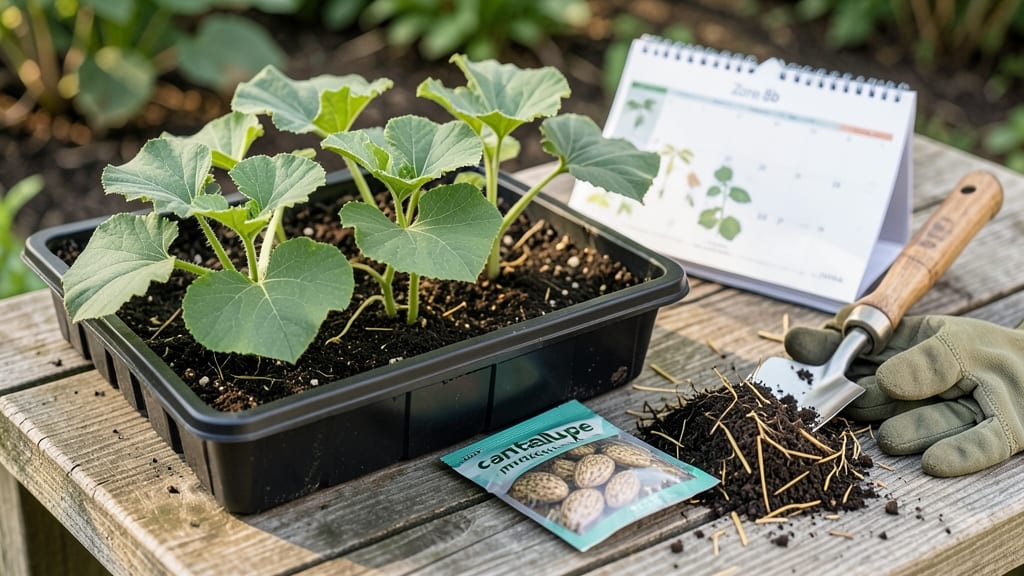
Timing your cantaloupe planting in Zone 8b isn’t just about the calendar—it’s about avoiding bitter, bolted fruit and ensuring sweet, juicy harvests 🍈.
One wrong move, and you’ll end up with vines racing to flower before the soil’s ready, leaving you with tiny, flavorless melons instead of the prize-worthy ones you’re dreaming of.
Here’s the game-changer: Planting cantaloupe in Zone 8b works best when soil temperatures hit a steady 70°F—not before.
That means waiting until late February to early March (after your last frost, which typically lands around mid-February) or opting for a late spring planting if you’re aiming for a fall harvest. Skip the guesswork and you’ll skip the disappointment.
Why does this matter? Because cantaloupes are finicky—they bolt (go to seed) fast when stressed by cold soil or inconsistent warmth. In Zone 8b, where summers can be brutal, getting the timing right means the difference between a failed crop and a bounty of melons ready by June or September.
Let’s break down the exact dates and tricks to lock in success.
You’ll also discover how to stretch your growing season with simple adjustments, like using black plastic mulch to warm the soil faster or choosing bolt-resistant varieties that thrive in Zone 8b’s heat. No more wasted effort—just more melons on your table.
Optimal planting dates for cantaloupe in Zone 8b (avoiding bolt risk)
Zone 8b’s long, warm growing season gives cantaloupe plenty of time to thrive—but timing is everything. Plant too early, and you risk premature bolting (bitter-tasting flowers instead of fruit). Plant too late, and your melons won’t mature before summer’s peak heat.
The sweet spot? After your last frost date (typically mid-February in Zone 8b) when soil temperatures hit 70°F+.
Cantaloupes need 70-90 days to mature, so aim for a harvest before summer’s 100°F+ heat waves. In Zone 8b, this means starting seeds indoors 3-4 weeks before your last frost or transplanting young plants after April 15—but only when nighttime temps stay above 55°F.
| Stage | Action | Key Details |
|---|---|---|
| Soil Prep | Test soil pH (6.5-7.0) | Add compost for fertility |
| Seed Starting | Indoors (3-4 weeks before last frost) | Use biodegradable pots |
| Transplanting | After April 15 (soil 70°F+) | Hardening off seedlings first |
| Mulching | Black plastic mulch | Warms soil faster, deters weeds |
| Harvest Window | June-August (peak summer) | Avoid heat stress (100°F+) |
For a second harvest, try a late-summer planting in early July. Choose bolt-resistant varieties like ‘Athena’ or ‘Hale’s Best’—these handle Zone 8b’s heat better than standard types. Just be ready to harvest by mid-September before cooler nights slow growth.
Pro tip: Use a soil thermometer to confirm temps. Cantaloupe seeds won’t germinate below 60°F, and vines struggle in soil below 65°F. If your spring is slow to warm, consider row covers to accelerate soil heating.
Zone 8b’s long frost-free season (240+ days) means you can also experiment with fall plantings. Start seeds in late July for a harvest in September-October, but prioritize disease-resistant varieties to avoid fungal issues from summer humidity.
Watch for heat stress signs like yellowing leaves or curled vines—these mean your cantaloupes are struggling. Provide afternoon shade cloth if temps exceed 95°F for more than 3 days. Mulch heavily to retain moisture and cool roots.
Remember: Spacing matters. Cantaloupes need 3-6 feet between vines to sprawl comfortably. Crowded plants produce smaller, bitter fruit due to competition. Use trellises or cages if space is limited—but beware, cantaloupes are heavy and may need extra support.
If you’re new to cantaloupe growing, start with 2-3 plants to test your soil and microclimate. Zone 8b’s variable summer rains can also impact success—plan for drip irrigation to avoid fungal diseases from overhead watering.
🌱
Optimal planting dates for cantaloupe in Zone 8b (avoiding bolt risk)
In Zone 8b, timing your cantaloupe planting correctly is critical—plant too early, and you risk premature bolting (bitter-tasting flowers instead of fruit). Too late, and your melons won’t mature before summer’s intense heat.
The ideal window is after your last frost date (typically mid-February) and when soil temperatures hit 70°F.
For Zone 8b, aim to plant cantaloupe seeds 2-3 weeks after your last frost, usually between late February and early March. This gives vines enough time to establish before summer’s peak heat. If you’re using transplants, wait until mid-April when soil is consistently warm.
| Stage | Action | Notes |
|---|---|---|
| Soil Prep | Test soil pH (6.0-6.8) | Add compost for fertility |
| Planting Window | Late Feb - Early Mar (seeds) | Wait for 70°F soil temp |
| Transplant Window | Mid-April | Use black plastic mulch |
| Harvest Window | June - August | 70-90 days to maturity |
If you’re pushing for a fall harvest, try a late-summer planting in June—but be prepared for smaller yields. Cantaloupes need 70-90 days to mature, so late plantings risk fruit not ripening before first frost (around mid-November in Zone 8b).
Pro tip: Use black plastic mulch to warm soil faster and extend your planting window by 1-2 weeks. This is especially helpful in Zone 8b, where spring temperatures can fluctuate wildly. Monitor soil temps with a soil thermometer—cantaloupes won’t germinate below 60°F.
For container growers, start seeds indoors 4-6 weeks before your last frost (late January) and transplant after soil warms. Containers dry out faster, so choose heat-tolerant varieties like ‘Athena’ or ‘Hale’s Best’ to compensate for limited root space.
Remember: Heat stress in Zone 8b’s summers can stunt growth, so provide afternoon shade if temperatures exceed 95°F. Mulch heavily to retain moisture and prevent bolting due to stress.