
Plants
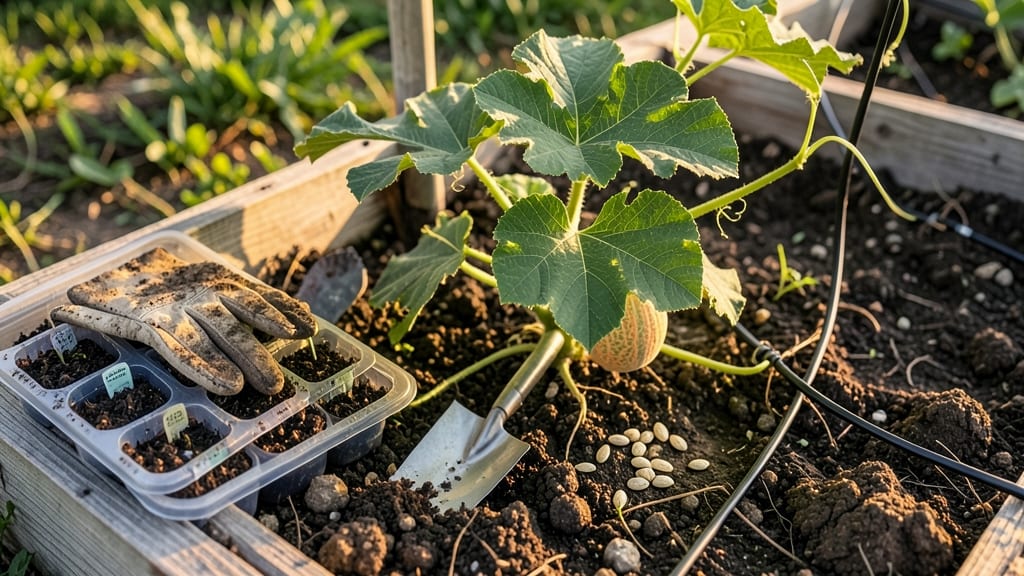
If you’ve ever planted cantaloupe in Arizona only to watch your vines bolt into bitter flowers before producing sweet fruit, you’re not alone.
The key to avoiding this frustration lies in mastering the perfect planting window—and it’s all about beating the spring heat while giving your 🍈 plants the ideal conditions to thrive.
Here’s the truth: Arizona’s USDA Zone 9b climate means you’ve got a narrow but critical window to plant cantaloupe—typically between late February and early March—when soil temperatures hit that sweet spot of 70°F and nighttime drops stay above 50°F.
Skip this timing, and you’ll either face stunted growth or premature bolting, leaving you with no harvest to speak of.
What you’ll discover here is how to sync your planting schedule with Arizona’s microclimates, from Phoenix’s intense desert heat to Tucson’s slightly cooler valleys.
I’ll break down the exact heat tolerance thresholds your cantaloupe needs to avoid stress and share proven tricks—like shade cloth timing and watering hacks—to keep your plants happy until they’re ready to fruit.
Ready to grow cantaloupes that actually ripen? Let’s dive into the step-by-step timeline that’ll turn your Arizona garden into a sweet, bolt-free success—no guesswork required.
Arizona’s ideal cantaloupe planting windows by microclimate
Arizona’s diverse microclimates create unique challenges for cantaloupe growers. The Valley of the Sun (Phoenix) and Sonoran Desert (Yuma) demand early plantings, while high-desert areas (Flagstaff) allow later starts. Understanding these heat tolerance thresholds ensures your vines thrive—not bolt prematurely.
Soil temperature is your best indicator for planting. Cantaloupes need 70°F (21°C) soil temps to germinate. In Phoenix, this typically happens by mid-February, while Flagstaff waits until late April. Always use a soil thermometer to confirm readiness.
Here’s how to align your planting with Arizona’s microclimates and avoid common pitfalls like heat stress or poor fruit set:
| Region | Ideal Planting Window | Soil Temp Trigger | Key Risk | Heat-Tolerant Variety |
|---|---|---|---|---|
| Phoenix (USDA 10b-11a) | Mid-February to early March | 70°F (21°C) | Premature bolting | Muskett |
| Tucson (USDA 9a-10a) | Late February to mid-March | 70°F (21°C) | Heat stress | Hales Best |
| Yuma (USDA 10a) | Early February to late February | 68°F (20°C) | Fungal diseases | Crimson Sweet |
| Flagstaff (USDA 7a-8a) | Late April to early May | 65°F (18°C) | Slow germination | Ambrosia |
If you plant too early in Phoenix or Tucson, your cantaloupes may bolt—sending up flower stalks before the fruit matures. Wait until nighttime temps stay above 50°F (10°C) to prevent this. For Yuma’s desert climate, start seeds indoors in January and transplant after the last frost date.
In high-desert areas like Flagstaff, focus on soil warming. Use black plastic mulch or row covers to raise soil temperatures by 5-10°F. This trick speeds up germination and helps cantaloupes establish before summer’s intensity.
For container gardening in Arizona, plant seeds in biodegradable pots by mid-March (Valley) or late March (higher elevations). Containers warm up faster than garden beds, so monitor soil temps closely—80°F (27°C) is ideal for quick germination.
Pro tip: Use a shade cloth (30-50%) over young seedlings in April to protect them from intense afternoon sun. Remove it once vines are 6 inches tall to encourage full sun exposure for fruit development.
Always pair your planting with well-draining soil amended with compost. Sandy Arizona soils need organic matter to retain moisture and nutrients. Aim for a pH of 6.0-6.8—test your soil before planting to adjust if needed.
Remember: Harvest timing shifts with planting date. Early March plantings in Phoenix yield fruit by late May, while Flagstaff’s late April starts harvest in July. Plan ahead to enjoy cantaloupes at their peak!
How to avoid cantaloupe bolting in Arizona’s spring heat
Arizona’s spring heat spikes can trick cantaloupe plants into premature bolting—when they flower too early and produce bitter, undersized fruit. The key to success? Delaying flowering until stable 75°F+ daytime temps and 55°F+ nighttime temps are locked in.
Start with heat-tolerant varieties like Muskett or Hales Best, which handle Arizona’s 100°F+ days better than standard types. These varieties mature faster, giving them a fighting chance against heat stress that triggers bolting.
Use 30-50% shade cloth for the first 2-3 weeks after transplanting to slow vine growth. Remove it gradually as temps stabilize—this mimics natural spring progression and prevents sudden heat shock.
⚠️ Cantaloupe Bolting Warning
Bolting in Arizona’s spring heat happens when plants sense dry soil + high temps as a signal to reproduce fast. Solution: Keep soil consistently moist (not soggy) and avoid sudden water stress.
🌱 Pro Tip: Water deeply every 2-3 days in spring, focusing on the root zone to prevent shallow roots that trigger bolting.
Multiply your chances by staggering plantings every 2 weeks from late February to early April. This ensures a continuous harvest window and spreads out the risk of heat-induced bolting affecting your entire crop at once.
Watch for yellowing leaves or stunted vines—these are early signs of heat stress. Immediately increase shade and water at soil level (not overhead) to cool roots. Avoid fertilizing during peak heat (May-June), as nitrogen pushes leafy growth over fruit production.
With these strategies, you’ll dodge the Arizona bolting curse and enjoy sweet, vine-ripened cantaloupes from June through August—just in time for summer picnics! 🍉