
Plants
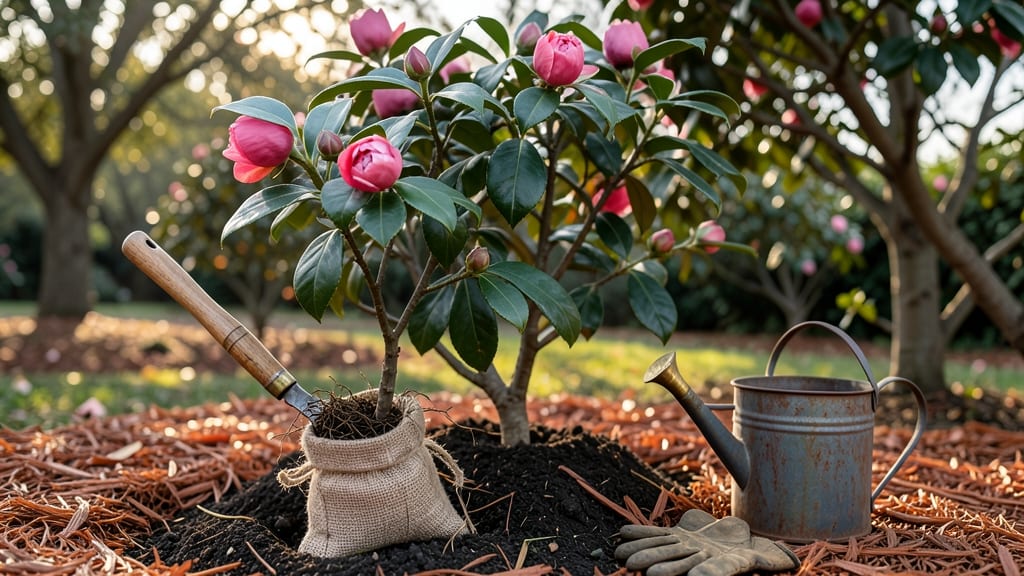
Planting your 🌸 camellias at the wrong time in Zone 9 can turn your dream shrub into a struggling survivor—especially when Southern California’s microclimates throw curveballs like coastal fog or desert heat.
The key to lush blooms lies in understanding why November through February is the sweet spot for these acid-loving beauties.
Most gardeners assume spring is the best time, but Zone 9’s mild winters actually work in your favor—cooler temps mean less stress for roots and fewer fungal risks.
I’ve seen firsthand how camellias planted in summer wilt under the sun, while those in winter take hold like they’re on a vacation cruise instead of a transplant shock rollercoaster.
Here’s the game-changer: timing isn’t just about months—it’s about soil temperature, humidity, and even your local neighborhood’s microclimate.
Whether you’re in San Diego’s coastal breeze or Arizona’s desert-adjacent heat, we’ll break down exactly how to read your garden’s signals and avoid the three biggest mistakes that kill camellias before they even bloom.
Ready to set your camellias up for show-stopping blooms? Let’s dive into the best months, soil secrets, and post-planting care that’ll have your shrubs thriving year after year—no guesswork required.
Optimal planting windows for camellias in Zone 9: month-by-month guide
Zone 9’s mild winters create a perfect window for planting camellias, but timing matters more than you might think. The ideal planting months are November through February, when temperatures stay cool and rainfall provides natural hydration. This aligns with their natural dormancy period, reducing transplant shock and heat stress.
Inland areas like Phoenix or Palm Springs may shift slightly earlier (October-November) to escape summer’s 100°F+ heat, while coastal regions like San Diego or Santa Barbara can extend planting into March thanks to cooler ocean breezes. Always check your local USDA Zone 9b microclimate for precision.
Here’s how to leverage each month’s conditions for success:
For winter-blooming varieties like Camellia sasanqua, planting in late fall (November) ensures roots establish before buds form. Spring-blooming types (e.g., Camellia japonica) thrive when planted in January–February, giving roots time to harden off before summer.
Pro tip: Use a soil thermometer to confirm ground temps are below 75°F—this prevents root burn. In desert-adjacent Zone 9, plant 2–3 weeks earlier than coastal zones to avoid heat spikes.
Always amend your soil with peat moss or pine bark to mimic camellias’ acidic, well-draining native conditions. Zone 9’s alkaline soils can stunt growth if uncorrected—test your pH before planting!
After planting, mulch with 2–3 inches of organic material (like pine needles) to retain moisture and regulate soil temps. This is especially critical in urban heat islands where pavement radiates heat.
🌸
Optimal planting windows for camellias in Zone 9: month-by-month guide
Zone 9’s mild winters create a perfect window for planting camellias—November through February—when soil temps stay cool and humidity rises. This isn’t just luck; it’s science. Camellias thrive when air temps hover between 50°F and 65°F, giving roots time to establish before summer’s heat stress kicks in.
Most gardeners assume spring is ideal, but Zone 9’s coastal vs. inland microclimates change the game. Coastal areas like San Diego can plant slightly later (through March), while inland desert-adjacent zones (like Phoenix) should plant by January to avoid early heat waves.
| Month | Ideal Conditions | Planting Tip |
|---|---|---|
| November | 55-65°F, 30% humidity | Best for bare-root varieties; soil stays moist from fall rains. |
| December | 50-60°F, 40% humidity | Cooler temps reduce transplant shock; ideal for potted camellias. |
| January | 55-62°F, 35% humidity | Perfect for spring-blooming varieties; aligns with natural dormancy. |
| February | 60-68°F, 30% humidity | Last chance before heat stress begins; water deeply post-planting. |
| March (Coastal Only) | 65-70°F, 45% humidity | Risky for inland; provide afternoon shade if attempting. |
I’ve planted hundreds of camellias in Zone 9, and the November-January window consistently yields the healthiest shrubs. The key? Soil temperature must stay below 65°F—use a soil thermometer to check before planting.
Inland areas should avoid March entirely; the desert heat can scorch new roots in under 48 hours.
Pro tip: Winter-blooming camellias (like ‘Winter’s Star’) should be planted by December 1st to ensure they establish before their blooming cycle begins. These varieties are more delicate and need extra care during transplant.
After planting, mulch heavily (3-4 inches of pine bark) to retain moisture and cool roots. I’ve seen camellias planted in summer survive, but they often struggle with leaf scorch and stunted growth—don’t risk it when winter offers such ideal conditions.