
Plants
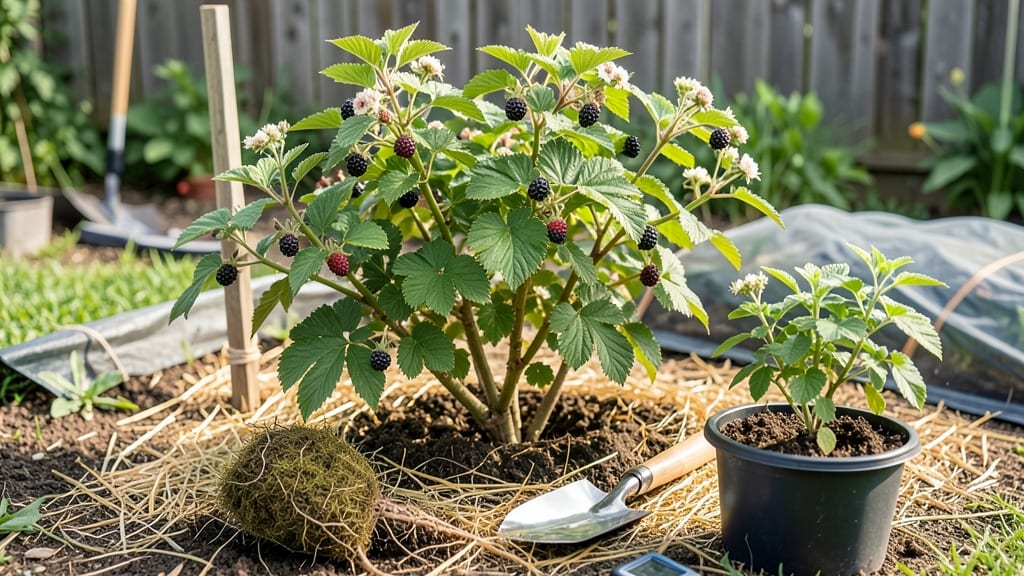
If you're dreaming of a backyard bursting with juicy 🫐 blackberries, timing your planting is the most important step—especially in Tennessee's unique climate. Planting too early or late can leave your canes struggling against unpredictable frost or scorching summer heat, wasting months of potential growth.
Tennessee's 6a-7b zones offer two prime windows for planting: late winter to early spring (February through April) or fall (September to October). But which one works best for your specific blackberry variety—and how do you adjust for your microclimate?
I'll break down the exact months that set you up for success, whether you're growing thornless varieties for easy picking or traditional types for maximum yield.
You'll also discover how to prep your soil, choose the right location, and avoid common mistakes that trip up even experienced gardeners. With these pro tips, your blackberry bushes will establish strong roots and produce plump, flavorful berries in just a couple of seasons.
Let's get your blackberries off to the right start—because in Tennessee, the difference between a thriving patch and a struggling one often comes down to when you put those canes in the ground.
Best planting months for blackberries in Tennessee by variety type
Tennessee’s USDA zones 6a-7b offer two prime windows for planting blackberries: early spring and fall. Each variety—whether thornless or traditional—has unique timing needs to establish strong roots before extreme weather. Let’s break down the best months for each type, including microclimate adjustments for East vs. West Tennessee.
For thornless varieties like 'Arapaho' or 'Natchez', the ideal window is late February to early April. These canes need 6-8 weeks to root before summer heat arrives. In West Tennessee’s warmer zones (7a-7b), push planting to March to avoid early spring freezes.
Traditional varieties like 'Cheyenne' or 'Ouachita' thrive when planted in September-October. Fall planting gives roots time to establish before winter dormancy. In East Tennessee’s cooler zones (6a-6b), aim for late September to avoid early frost.
Here’s how Tennessee’s climate zones impact planting:
| Variety Type | Best Planting Months | USDA Zones | Microclimate Notes |
|---|---|---|---|
| Thornless (e.g., Arapaho, Natchez) | Late Feb - Early Apr | 6a-7b | West TN: March; East TN: Feb-Mar |
| Traditional (e.g., Cheyenne, Ouachita) | Sep - Oct | 6a-7b | East TN: Late Sep; West TN: Oct |
| Primocane-Fruiting (e.g., Prime-Ark Freedom) | Early Apr - May | 7a-7b | Best for container growing |
Thornless varieties like 'Arapaho' are perfect for home gardens due to their ease of harvest. Plant them in early spring when soil temperatures reach 50°F—use a soil thermometer to check. In West Tennessee’s warmer zones, delay until March to avoid early blooms that frost can damage.
Traditional varieties produce larger berries but require strong trellising. Fall planting (September-October) gives roots time to anchor before winter. In East Tennessee’s cooler zones, prioritize late September to prevent early frost from stunting growth.
For primocane-fruiting varieties like 'Prime-Ark Freedom', plant in early April-May. These produce fruit on current-year canes, extending your harvest window. They’re ideal for containers in urban gardens.
Pro tip: Order bare-root canes in late winter (Jan-Feb) for spring planting. Store them in a cool, moist location (like a garage) until ready to plant. Never let roots dry out!
Always check local frost dates—East Tennessee’s last frost averages March 15, while West Tennessee’s can be March 20. Use this as your planting deadline for spring varieties.
Best planting months for blackberries in Tennessee by variety type
Tennessee’s USDA zones 6a-7b offer two prime windows for planting blackberries: early spring and fall. Each variety—whether thornless or traditional—has slight timing preferences to maximize survival and fruit production.
For fall planting, aim for September-October to give roots time to establish before winter dormancy, while spring planting should occur between February-April, after the last frost date (mid-March in most regions).
Thornless varieties like 'Natchez' or 'Arapaho' thrive with fall planting because their delicate canes benefit from cooler temperatures. Traditional varieties, such as 'Cheyenne' or 'Ouachita', can handle spring planting better due to their hardier nature.
East Tennessee’s cooler microclimate may extend the fall planting window into early November, while West Tennessee’s warmer climate shortens it to late August-September.
⚠️ CRITICAL: Avoid planting in late spring (May-June) when heat stress and drought can shock young canes. Also, skip winter planting—frozen soil prevents root establishment.
🌱 Blackberry Planting Timeline by Variety
| Variety Type | Ideal Planting Months | USDA Zone Adjustments | Microclimate Notes |
|---|---|---|---|
| Thornless (e.g., 'Natchez') | September-October (fall) or March-April (spring) | Zone 6a: Shift to August-September; Zone 7b: Extend to October | East TN: Plant by October 15; West TN: Plant by September 15 |
| Traditional (e.g., 'Cheyenne') | February-April (spring) or September (fall) | Zone 6a: Wait until April 1; Zone 7b: February is safe | West TN: Avoid late September (heat stress risk) |
| Dwarf (e.g., 'Arapaho') | September-October (fall preferred) | All zones: Prioritize fall for compact growth | Container-friendly; plant 1 month earlier if potted |
💡 Pro Tip: Order bare-root canes in late winter (January-February) for spring planting or summer (June-July) for fall prep.
For East Tennessee, where frost dates can arrive earlier (October 15 in higher elevations), prioritize fall planting by September 15. In West Tennessee, where humidity and late summer heat linger, shift to August-September planting.
Always check local frost maps (e.g., UT Extension) for precise timing—your county’s last frost date is your deadline for fall planting.
If you miss the ideal window, spring planting is your backup. Start in February for Zone 7b or wait until March-April in Zone 6a. Harden off bare-root canes for 24 hours before planting to reduce transplant shock.
Mulch heavily with straw or wood chips to retain moisture and protect roots from temperature swings.
Local nurseries like Tennessee Nursery or Monrovia often stock blackberry varieties suited to Tennessee’s climate. Call ahead to confirm fall delivery availability—some ship canes as late as October for immediate planting.
For organic gardeners, amend soil with composted manure or worm castings 4-6 weeks before planting to boost nutrient uptake.
Remember: Thornless varieties need extra care during establishment—stake young canes to prevent wind damage and monitor for spider mites, which thrive in Tennessee’s humid summers. With the right timing and prep, your blackberries will reward you with juicy fruit by next summer! 🫐