
Plants
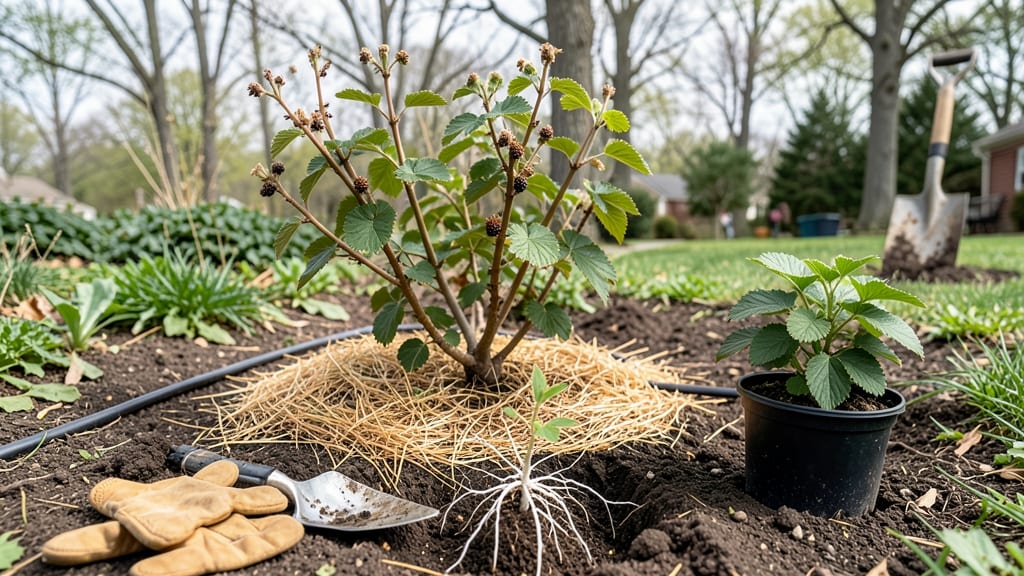
Timing your blackberry 🫐 planting in Florida can make or break your harvest—get it wrong, and you risk stunted growth, disease, or even losing your plants before they fruit.
The key is understanding how Florida’s unique climate zones (like 8a-11) and microclimates (Gulf Coast vs. Panhandle) shift the ideal window from late winter to early spring.
Most gardeners in Florida plant between January and March, but whether you’re in North Florida’s cooler pockets or South Florida’s frost-free zones, the right month depends on your variety—evergreen blackberries thrive in warmer areas, while semi-evergreen types need a bit more chill.
I’ll break down exactly when to dig in for each type, so you can avoid the 3 most common mistakes that sabotage new plantings.
Beyond months, you’ll need to prep your soil differently depending on whether you’re planting in February’s lingering cool spells or March’s balmy warmth. We’ll cover Florida-specific tricks—like mulching to beat the heat and adjusting watering schedules—to give your blackberries the best possible start.
Ready to grow healthier canes and bigger berries?
Let’s dive into the exact planting schedule, from soil prep to post-planting care, so you can enjoy those sweet, juicy blackberries by April or May—just in time for summer snacks. No more guesswork, just proven Florida-friendly results.
Best planting months for blackberries in Florida by variety (evergreen vs. semi-evergreen)
Florida’s unique climate—with its humid heat, short chilling hours, and varying frost risks—means blackberry planting isn’t one-size-fits-all. The two main types, evergreen and semi-evergreen varieties, thrive best during different windows.
Evergreens (like ‘Arapaho’ or ‘Chester’) can handle Florida’s warmth year-round, while semi-evergreens (like ‘Natchez’) need cooler starts. Timing your plantings right ensures robust root establishment before summer’s intensity hits.
For North Florida (USDA Zones 8a-9a), where light frosts can still occur, the ideal window is January through early March. This gives plants time to establish roots before the spring heat ramps up.
In Central and South Florida (Zones 9b-11), where frosts are rare, late winter to early spring (February-March) is still best—but you can extend planting into April if you’re in the Gulf Coast region with milder winters.
Here’s the key difference: Evergreen varieties are more forgiving and can even handle fall planting (September-October) in South Florida, but they’ll need extra mulch to protect roots from summer heat. Semi-evergreen types, however, struggle with summer’s 90°F+ temperatures, so planting them too late risks heat stress and poor establishment.
One common mistake Florida gardeners make? Planting bare-root blackberries in summer. The high humidity and intense sun create the perfect storm for root rot and transplant shock. Always aim for cooler, drier months—even if it means waiting until fall in South Florida for certain varieties.
🌱
| Variety Type | Best Planting Months | Notes for Florida |
|---|---|---|
| Evergreen (e.g., ‘Arapaho’, ‘Chester’) | January–March (North FL) / February–April (Central/South FL) | Tolerates heat; can handle fall planting in South FL with extra mulch. |
| Semi-Evergreen (e.g., ‘Natchez’, ‘Ouachita’) | January–February (all regions) | Needs cooler start; avoid summer planting due to heat stress. |
| Thornless (e.g., ‘Prime-Ark Freedom’) | February–March (all regions) | Best planted early; needs consistent moisture for root growth. |
If you’re in North Florida, don’t rush to plant in December—even if the weather feels warm. Soil temperatures below 60°F can stunt root growth. Wait until January when soils warm up, or use black plastic mulch to accelerate heating.
In South Florida, where frost is rare, you can push planting into early April, but be prepared to shade young plants during the hottest afternoons.
Pro tip: Container-grown blackberries (potted plants) can be planted year-round in South Florida, but they’ll need extra watering and protection from afternoon sun during summer. For bare-root plants, stick to the January-March window—this is non-negotiable for long-term success.
For organic gardeners, amend your soil with composted leaf mold or well-rotted manure 4-6 weeks before planting. This improves drainage and moisture retention, which are critical in Florida’s sandy soils.
Add a 2-inch layer of pine bark mulch after planting to lock in moisture and suppress weeds.
🌿
One final rule of thumb: Plant when your local extension office (like UF/IFAS) recommends “soil workability” for your zone. This accounts for rainfall patterns, temperature swings, and local microclimates—like the cooler highlands of North Florida vs. the humid coastal areas of the Gulf.
Check their frost-free date maps to fine-tune your timing.
Critical factors that determine your exact planting window in Florida
Florida’s climate isn’t one-size-fits-all, and your blackberry planting window hinges on three key factors: chilling hours, temperature extremes, and rainfall patterns.
Unlike northern states, Florida’s USDA zones 8a-11 mean evergreen varieties (like Natchez) can handle year-round warmth, while semi-evergreen types (like Apache) need a 100-300 hour chill period to fruit well.
In North Florida (zones 8a-9a), where last frost can linger until mid-January, aim to plant by February 15 to avoid heat stress. But in South Florida (zones 10a-11), where frost is rare, March is your sweet spot—balancing soil warmth and humidity without summer’s oppressive heat.
Even a 2-week delay can mean the difference between thriving canes and leggy, weak plants.
Temperature swings are another game-changer. Blackberries hate soggy roots in Florida’s wet winters, so planting during dry spells (like late February) reduces rot risk. Meanwhile, humidity spikes in May can trigger fungal diseases if you plant too late.
I’ve seen gardeners in Central Florida rush to plant in April only to watch their new bushes develop anthracnose within weeks.
Rainfall is the wildcard. Florida’s dry season (November-April) is ideal for planting, but unpredictable downpours can turn your soil into mud. Test your soil’s drainage 2 weeks before planting—if water pools after 6 hours, amend with compost or sand.
In South Florida’s wetter zones, raised beds with gravel drainage layers are a lifesaver.
Don’t overlook wind exposure, either. Coastal areas (like Fort Myers) get hurricane-force winds in summer, while inland spots (like Gainesville) face drought stress. If you’re near the coast, plant on the leeward side of fences or use windbreaks to protect young canes.
Here’s the non-negotiable rule: Avoid planting during Florida’s peak heat (June-August) or hurricane season (June-November). The 30-90 days after planting are critical for root establishment—stress from extreme heat or storms can set your bushes back for years.
Even shade cloth won’t save them from root burn in 95°F+ soil.
Pro tip: Use a soil thermometer to check root-zone temps before planting. Ideal soil temps for blackberries are 60-70°F—any hotter, and you’ll trigger transplant shock. In South Florida, this might mean waiting until late March; in North Florida, February’s cooler soils are perfect.
⚠️ Warning: Florida’s Hidden Planting Pitfalls
Mistake 1: Planting in January’s frost pockets (North FL). Even 28°F nights can kill young roots.
Mistake 2: Skipping soil tests—Florida’s sandy soils need organic matter to hold moisture.
Mistake 3: Using fresh manure at planting time. It burns roots and attracts pests.
🌡️☔️
To nail your planting window, start by checking your local frost dates (use the Florida Automated Weather Network) and adjust for your variety.
Evergreen types like Onetta can go in as early as January 15 in South Florida, while semi-evergreens like Chester need to wait until February 28 in North Florida. The goal? Get those roots down before the heat of April—when your blackberries will either thrive or struggle.