
Plants
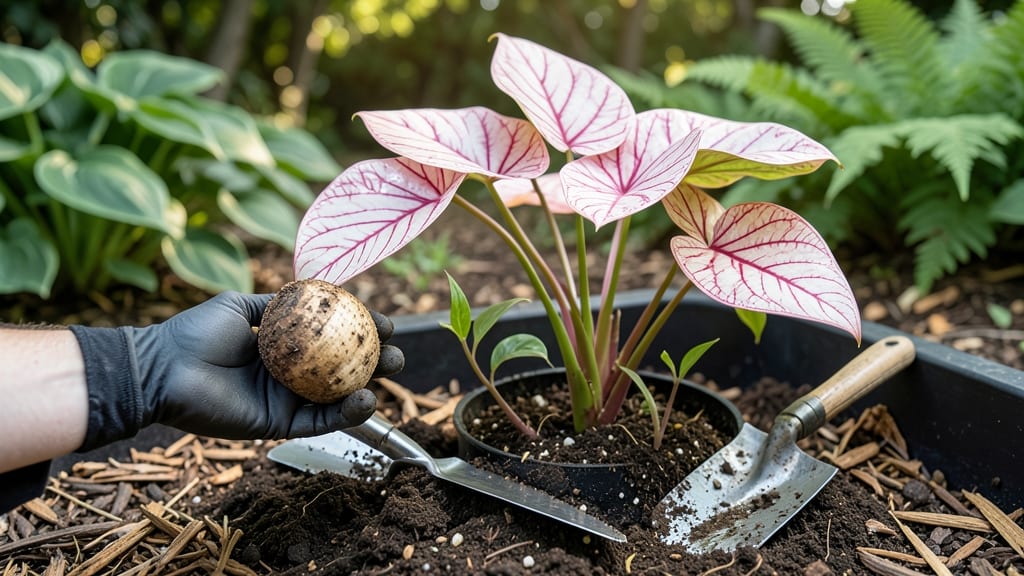
Timing your Caladium bulb planting in Zone 8 could mean the difference between vibrant, show-stopping foliage and disappointing results. These tropical beauties 🌿 crave warmth, and getting them in the ground too soon risks frost damage, while waiting too late might stunt their growth potential.
I’ve learned the hard way that soil temperature matters more than calendar dates—aim for 60–65°F before planting in spring. That usually lands you in April or early May, after your last frost date has safely passed.
But here’s the catch: Northern Zone 8 areas (like Tennessee) may need to wait longer than Southern spots (like Florida).
In this guide, I’ll break down exactly when to plant based on your specific microclimate, plus pro tips for preparing your soil and avoiding common mistakes. Whether you’re a seasoned gardener or a first-timer, these insights will help you grow lush, thriving Caladiums that steal the show all season long.
Ready to transform your garden? Let’s dive into the perfect planting window and the secrets to keeping your Caladiums happy from day one.
Optimal planting window for caladium bulbs in Zone 8 based on soil temperature
Caladium bulbs thrive in Zone 8 when planted after the last frost date, but timing isn’t just about calendar dates—it’s about soil temperature. These tropical beauties need warm soil (60–65°F) to sprout reliably.
In most of Zone 8, this typically aligns with late April to early May, but regional differences matter.
Northern Zone 8 areas (like Atlanta, GA or Raleigh, NC) may need to wait until mid-May due to cooler springs. Southern areas (such as Tampa, FL or New Orleans, LA) can plant as early as March if soil warms quickly.
Always check your local last frost date and adjust accordingly.
Caladiums are heat-loving plants, so planting too early risks frost damage or slow growth. Conversely, waiting too long may reduce their vibrant foliage display. The key is balancing soil warmth with air temperature stability—aim for nights above 50°F to ensure healthy sprouting.
🌱
| Zone 8 Region | Ideal Planting Time | Soil Temp Requirement | Key Consideration |
|---|---|---|---|
| Northern Zone 8 (e.g., Atlanta, Raleigh) | Late April–Early May | 60–65°F (15–18°C) | Wait for consistent night temps above 50°F |
| Central Zone 8 (e.g., Birmingham, Charlotte) | Mid-April–Late April | 60–65°F (15–18°C) | Soil warms faster; monitor for frost risks |
| Southern Zone 8 (e.g., Tampa, New Orleans) | March–Early April | 60–65°F (15–18°C) | Plant early if soil is warm; mulch to retain heat |
| All Regions | After last frost date | Minimum 60°F (15°C) | Use soil thermometer for accuracy |
To pinpoint your exact planting window, use a soil thermometer—this tool is your best friend for caladium success. Stick it 2 inches deep in your garden bed and wait until readings consistently hit 60°F or warmer for at least 3–5 days.
This ensures your bulbs won’t languish in cold soil, which can lead to rot or poor sprouting.
If you’re in a cooler microclimate within Zone 8, consider starting caladiums indoors 4–6 weeks before your target outdoor planting date. Use biodegradable pots to transplant seedlings directly into the garden once soil warms, minimizing stress on the roots.
Another pro tip: Mulch heavily after planting to lock in soil warmth. A 3-inch layer of straw or shredded leaves can raise soil temperatures by 5–10°F, giving your caladiums an extra boost in cooler Zone 8 springs. Just avoid piling mulch directly against the bulbs to prevent rot.
🌿
For container gardening, the rules are slightly different. Potted caladiums can handle slightly cooler soil temperatures (55°F) because containers warm up faster in sunlight. However, still wait until nighttime temps stay above 50°F to avoid shocking the plants.
Place containers in bright, indirect light and move them outdoors only after the last frost.
Remember, caladiums are short-lived perennials in Zone 8—they’ll die back in fall, but their tubers can be dug up, stored, and replanted next spring. Proper planting timing now ensures you’ll have show-stopping foliage year after year with minimal effort.
Optimal planting window for caladium bulbs in Zone 8 based on soil temperature
Caladiums thrive when planted in warm soil, so timing is everything in Zone 8. Unlike hardy bulbs, these tropical beauties 🌿 won’t tolerate cold—aim for 60–65°F soil temperatures before planting.
This usually falls between mid-April and early May, but your exact window depends on whether you're in Northern or Southern Zone 8.
In Northern Zone 8 (e.g., Tennessee, Virginia), wait until after April 15 to avoid late frosts. Southern areas (e.g., Florida, Georgia) can plant as early as late March, but always check your last frost date—Zone 8’s average last frost is around February 15, but microclimates vary.
Pro tip: Use a soil thermometer to confirm warmth before planting. Cold soil slows growth, and Caladiums may rot if planted too soon. For container gardening, you can start bulbs indoors in March and transplant after soil warms.
| Zone 8 Region | Ideal Planting Time | Soil Temp Requirement | Key Consideration |
|---|---|---|---|
| Northern Zone 8 (TN, VA) | Mid-April to early May | 60–65°F | Wait for consistent warmth |
| Southern Zone 8 (FL, GA) | Late March to April | 60–65°F | Early start possible |
| Containers (Any Zone 8) | March (indoors) → May (outdoors) | 65°F+ for pots | Hardier in controlled environments |
Once planted, Caladiums need 4–6 weeks to establish roots and show foliage. If you’re in a cooler microclimate, consider mulching with straw or black plastic to warm the soil faster. This trick helps accelerate growth and ensures your bulbs get off to a strong start.
Remember: Caladiums are tender perennials, meaning they’ll die back in fall. In Zone 8, you can dig and store tubers in late fall or let them overwinter in protected spots (like under mulch) if your winters are mild. This flexibility makes them perfect for experimenting with planting times!
For maximum impact, plant Caladiums after your spring perennials have filled out—this creates a stunning layered display. Pair them with hostas or ferns for a lush, shaded garden corner that pops with color.