
Plants
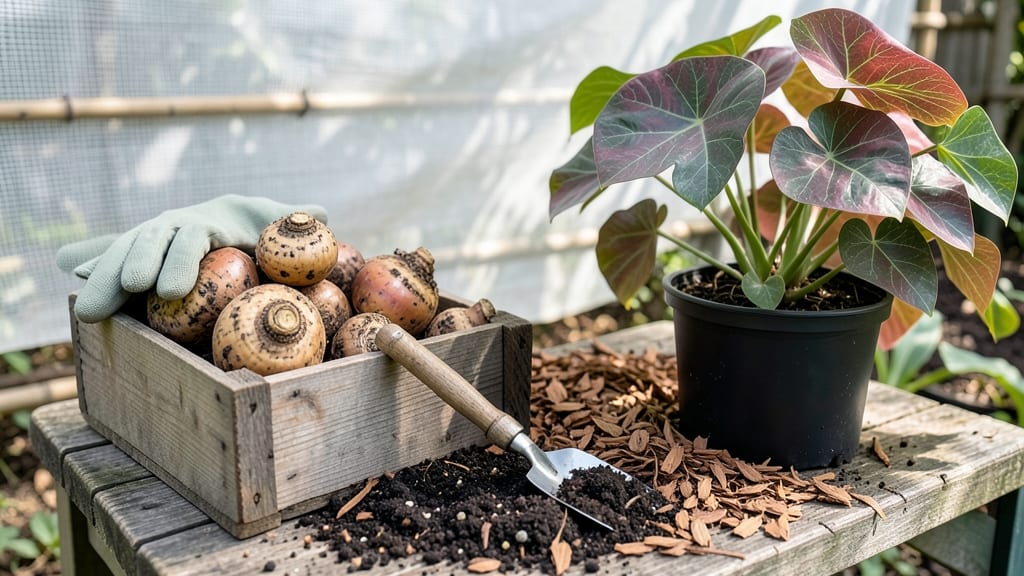
If you've ever struggled to keep your Caladium 🌿 bulbs thriving in Florida's relentless heat, when to plant caladium bulbs in Florida is the game-changer you've been missing.
Planting them at the wrong moment means faded foliage or bulbs that simply refuse to bloom—and nobody wants that showstopper display to fizzle.
Florida's 9a-11 zones give you a unique advantage with their frost-free growing season, but that same heat can be a double-edged sword.
The key is planting your caladium bulbs between March and April when soil temperatures hit that sweet spot of 60°F—too early and they'll bolt in the summer sun, too late and you'll miss their peak seasonal performance.
What makes this even more exciting is that Florida's climate actually favors certain caladium varieties that other regions can only dream of growing. We're talking about heat-resistant varieties that maintain their vibrant colors and lush foliage even when temperatures climb above 90°F—something traditional caladiums just can't handle.
I'll walk you through the exact timing, soil prep secrets, and care tips that have helped Florida gardeners create stunning caladium displays year after year. Whether you're a seasoned pro or just starting your foliage garden, these insights will help you grow caladiums that truly shine in our unique climate.
Optimal planting timeline for caladium bulbs in Florida’s climate zones
Florida’s unique climate—spanning USDA zones 8-11—means caladium bulbs can be planted year-round in the southernmost regions, but timing is critical for vibrant foliage. The ideal window is March through April when soil temperatures consistently reach 60°F or higher.
In North Florida (zones 8-9), wait until after the last frost date (typically mid-March), while South Florida (zones 10-11) gardeners can plant as early as February.
Caladiums are heat-loving plants, but planting too early in cooler months can stunt growth. If you plant in February, monitor soil temperatures—below 55°F slows germination.
For container gardening, you can extend your planting window by using heat mats or starting bulbs indoors 4-6 weeks before your target outdoor date.
Here’s the month-by-month breakdown for Florida’s diverse microclimates, including the best heat-resistant varieties for each zone:
| Zone | Best Planting Month | Soil Temp Threshold | Heat-Resistant Variety | Notes |
|---|---|---|---|---|
| 8-9 (North FL) | March - April | 60°F+ | ‘White Queen’ | Wait for last frost date; mulch heavily. |
| 9a-10 (Central FL) | February - April | 58°F+ | ‘Carolyn Wharton’ | Tolerates brief cool snaps; plant early for summer color. |
| 10a-11 (South FL) | January - March | 65°F+ | ‘Fannie Munson’ | Thrives in humidity; plant in partial shade. |
| All Zones (Containers) | February - May | 60°F+ | ‘Pink Beauty’ | Extend season with movable pots; protect from wind. |
For container gardening, you can push the envelope slightly—planting as late as May in North Florida or even June in South Florida—if you use well-draining pots and provide afternoon shade.
However, late plantings may result in smaller foliage since caladiums need 8-10 weeks to reach peak color in Florida’s heat.
If you miss the ideal window, don’t despair! Caladium bulbs are perennial in Florida’s frost-free zones (10-11). Simply mulch heavily with 3-4 inches of pine bark or straw mulch to protect them through the dormant summer months (June-August).
In North Florida (zones 8-9), dig up and store bulbs after the first frost, but only if you’re using tender varieties like ‘White Queen.’
Pro tip: Use a soil thermometer to confirm temperatures before planting. Caladium bulbs won’t sprout until soil is consistently above 60°F for at least a week.
In South Florida, where summer heat arrives early, you can even plant as late as June for a fall display—just ensure they get partial shade to prevent leaf scorch.
Remember, caladiums are foliage plants, not bloomers, so focus on leaf color intensity rather than flowers. The earlier you plant, the more vibrant your summer and fall foliage will be. For maximum impact, aim to have them established by late April in most of Florida.
🌿
Optimal planting timeline for caladium bulbs in Florida’s climate zones
Florida’s USDA zones 9a-11 create a unique growing environment where caladium bulbs can thrive year-round—but timing is everything. Unlike northern climates, Florida gardeners don’t need to worry about frost, but we do need to account for soil temperatures and humidity spikes.
The ideal planting window is between mid-March and early April, when soil temperatures consistently reach 60°F+.
This timing ensures your bulbs establish roots before Florida’s summer heat intensifies. Planting too early (February) risks bolting, while waiting until May often results in weaker foliage development.
The key is to align your planting with Florida’s spring rainfall patterns, which provide natural moisture without the fungal risks of summer humidity.
| Zone | Best Planting Month | Soil Temp Threshold | Heat-Resistant Variety |
|---|---|---|---|
| 9a-9b (North FL) | Late March | 60-65°F | White Queen |
| 10a-10b (Central FL) | Early April | 65-70°F | Carolyn Wharton |
| 11 (South FL) | Mid-April | 70°F+ | Pink Beauty |
For container gardening, you can extend your planting window slightly—February to May—since pots warm up faster. However, always use well-draining mixes to prevent root rot from Florida’s summer downpours. I’ve found that adding perlite or orchid bark to potting soil makes a noticeable difference in bulb longevity.
One common misconception is that caladiums can handle Florida’s summer heat once planted. While they’re more tolerant than many foliage plants, afternoon shade is critical for maintaining vibrant colors.
In South Florida (Zone 11), where temperatures exceed 90°F regularly, I recommend planting in dappled shade or under palm fronds for natural filtration.
Pro tip: Mark your calendar for late August—this is when many Florida gardeners begin reducing water to signal dormancy. The bulbs will naturally prepare for their winter rest, ensuring stronger regrowth next spring. The 3-month window between planting and dormancy is your caladium’s prime performance period.
Remember that Florida’s humidity levels (often 70-90%) mean you’ll need to monitor for powdery mildew. A light application of neem oil every 4-6 weeks during peak summer can prevent fungal issues without harming your plants. This simple step has saved my caladium collections from multiple seasons of unsightly spots.