
Plants
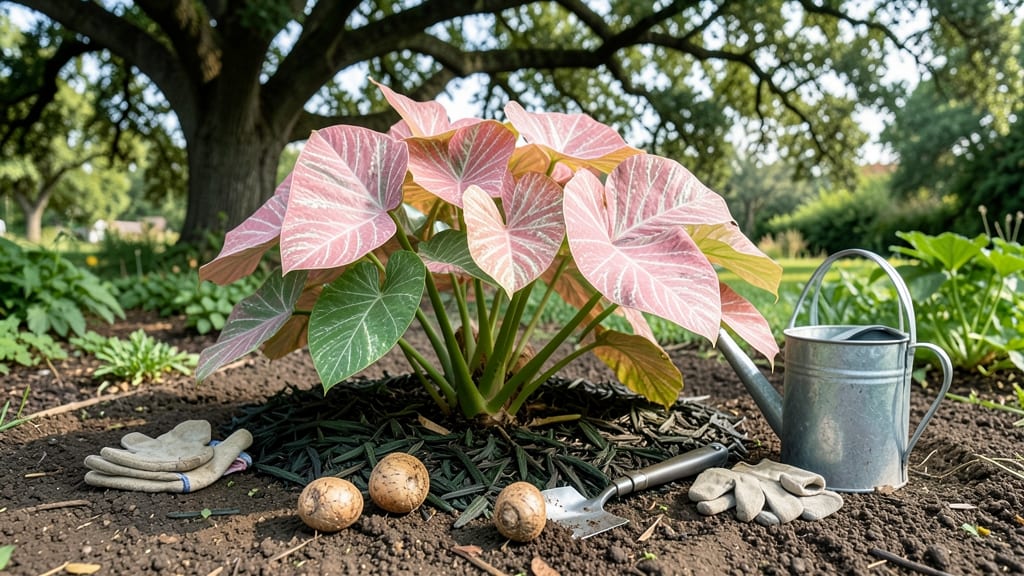
Timing your Caladium bulb planting in Houston can mean the difference between vibrant, show-stopping foliage and wilted disappointment—especially in our subtropical climate where heat and humidity play tricks on even the most experienced gardeners.
Most gardeners assume you can plant these stunning 🌿 Caladiums anytime spring rolls around, but Houston’s 9a zone demands precision. Plant too early, and your bulbs might rot in still-cool soil. Wait too long, and you’ll miss the sweet spot before summer’s brutal heat sets in.
I’ve grown Caladiums here for years, and I’ve cracked the code on the perfect March-April window—when soil warms to 65°F and the risk of late frost fades.
But there’s more to it than just dates. We’ll cover soil prep tricks to beat Houston’s clay-heavy ground and shade strategies to protect those delicate leaves from scorching.
Ready to transform your garden into a lush, tropical oasis? Let’s dive into the exact steps that’ll have your Caladiums thriving all season long—no guesswork required.
Houston’s ideal planting window for Caladium bulbs: heat zones & timing secrets
Houston’s subtropical climate means caladium bulbs thrive with precise timing—plant too early, and they’ll rot in soggy soil; too late, and summer’s heat will scorch them before they sprout. The 30-day window between mid-March and mid-April offers the perfect balance of warming soil and escaping frost risks.
Unlike northern climates, Houston’s USDA Zone 9a lets you push planting slightly later than general guidelines. The key is waiting until soil temperatures hit at least 65°F—use a soil thermometer to confirm.
This usually aligns with late March, just after Houston’s average last frost date of January 20.
For container growers, you can extend the window into early May, but in-ground plantings must happen before June’s 90°F+ heat arrives. Caladiums are tropical and heat-sensitive—direct sunlight after 10 AM can bleach their stunning foliage.
Pro Tip: Houston’s humidity also matters. Plant in light, dappled shade (like under oak trees) to prevent fungal issues while keeping soil moist without waterlogging.
| Stage | Action | Houston-Specific Notes |
|---|---|---|
| Soil Prep | Test for pH 6.0-6.5 | Houston’s clay soil needs organic matter (compost/peat moss) |
| Planting Window | Mid-March to mid-April | Wait for 65°F soil; avoid afternoon sun |
| Depth | 2-3 inches deep | Too deep = rot; too shallow = heat stress |
| Spacing | 12-18 inches apart | Prevents fungal spread in Houston’s humidity |
| Post-Plant Care | Mulch with 2 inches | Retains moisture; protects from temperature swings |
If you miss spring planting, Houston’s climate allows for a second chance in late summer—aim for early August to establish roots before fall rains arrive. However, this method yields smaller plants and requires extra shade to prevent leaf scorch.
For container gardening, extend the window into June by using self-watering pots and placing them in partial shade. Just remember: caladiums are not drought-tolerant—consistent moisture is critical in Houston’s heat.
Monitor your local National Weather Service alerts for unseasonable cold snaps—even in Zone 9a, unexpected 50°F nights can damage young plants. A frost cloth is your best friend during these rare events.
Finally, Houston’s high humidity demands vigilance against leaf spot diseases. Space plants properly and avoid overhead watering to keep foliage dry. With the right timing, your caladiums will reward you with bold, heart-shaped leaves that shine all summer long.
Soil prep & heat-tolerant tricks to maximize Houston Caladium growth
Houston’s clay-heavy soil and intense humidity can turn your Caladium planting dreams into a soggy mess if you don’t prep right. The key? Drainage and organic matter to mimic the airy, moisture-retentive conditions these tropical beauties love.
I’ve learned the hard way—skipping this step leads to bulb rot before your leaves even unfurl.
Start by amending your soil with 3-4 inches of compost or well-rotted leaf mold. This improves drainage while holding moisture—critical in Houston’s 9a heat zone. For containers, use a mix of 50% potting soil, 30% perlite, and 20% coconut coir to prevent compaction.
The goal? Soil that drains fast enough to avoid waterlogging but stays moist enough to support those vibrant leaves.