
Plants
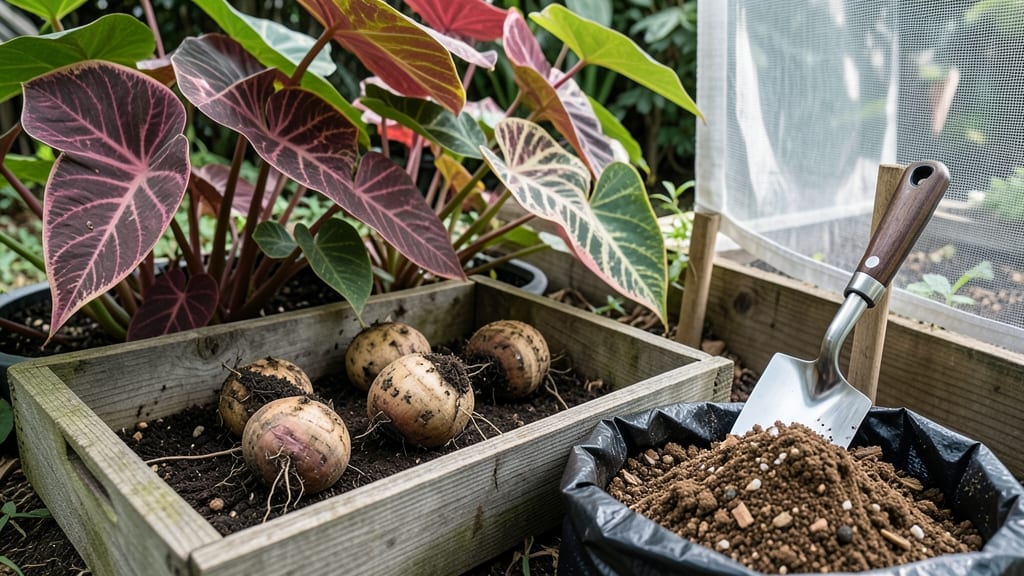
Timing is everything when it comes to planting caladium bulbs in Alabama—get it right, and you’ll enjoy vibrant, lush foliage all summer long. Alabama’s 7b-8b climate means you’ve got a narrow window to plant these heat-loving plants before the real heat sets in.
Most gardeners wait until after the last frost, typically in April or May, when soil temperatures hit a steady 65°F. But here’s the catch: planting too early risks damage from late frosts, while waiting too long can leave your 🌿 caladium struggling in the intense Alabama sun.
I’ll break down the best planting window for your specific region, whether you’re in North or South Alabama, and share tips to keep your caladium thriving—even through our sweltering summers. Let’s make sure your garden stays cool and your plants stay stunning.
Ready to dive in? You’ll learn how to prep your soil, pick the right varieties, and avoid common mistakes that can turn your caladium dreams into a wilted disappointment.
Best planting window for caladium bulbs in Alabama’s climate zones
Alabama’s USDA Zones 7b-8b create unique challenges for caladium bulbs, where late frosts in the north and scorching summers in the south demand precise timing. Plant too early, and your bulbs may rot from lingering cold.
Plant too late, and they’ll struggle to establish before the heat peaks. The ideal window spans mid-April to early May, but regional microclimates shift this by 2-4 weeks.
Northern Alabama (e.g., Huntsville, Decatur) typically sees its last frost around March 15, but soil temperatures must reach 65°F before planting. Southern Alabama (e.g., Mobile, Birmingham) can plant as early as late March, but heat-resistant varieties are critical to avoid wilting.
Always check your local Alabama Cooperative Extension frost dates for precision.
Here’s how Alabama’s climate zones break down for caladium planting:
| Region | Last Frost Date | Ideal Planting Window | Soil Temp Threshold | Key Risk |
|---|---|---|---|---|
| North Alabama (Zones 7b) | Mid-March | Late April - Early May | 65°F+ | Late frosts |
| Central Alabama (Zones 7b-8a) | Early March | Mid-April - Late April | 65°F+ | Heat stress |
| South Alabama (Zones 8a-8b) | Late February | Late March - Early April | 60°F+ | Extreme heat |
For container gardening, you can plant caladium bulbs 2-3 weeks earlier than in-ground, as pots warm faster. However, ensure containers have drainage holes to prevent root rot—a common issue in Alabama’s heavy clay soils. Use a lightweight potting mix blended with perlite to improve aeration.
Watch for soil temperature fluctuations, especially in April. A soil thermometer is your best tool—plant only when readings consistently stay above 65°F for 3-5 days.
In northern Alabama, this often means waiting until mid-May if early spring is unusually cold. Patience here prevents bulb rot and ensures vibrant foliage.
Alabama’s humidity levels (often exceeding 70%) also affect planting. Choose well-draining locations with morning sun and afternoon shade to mimic their native tropical habitat. Mulch with 2-3 inches of organic mulch (like pine bark) to retain moisture and regulate soil temperature—a critical adaptation for Alabama’s climate.
If you miss the ideal window, don’t panic. Caladiums can tolerate light frosts if planted in containers and moved indoors. However, in-ground plants will suffer damage below 32°F. For late plantings, opt for heat-tolerant varieties like ‘Florida Sweetheart’ or ‘White Queen’ to improve survival rates.
Pro tip: Mark your calendar for October 15-November 1 to dig up tubers before the first frost. Storing them in a cool, dry place (like a paper bag with peat moss) ensures they’ll regrow next year. Alabama’s short growing season makes this timing critical for perennial caladiums.
🌱
Best planting window for caladium bulbs in Alabama’s climate zones
Alabama’s 7b-8b climate zones create distinct planting windows for caladium bulbs. In North Alabama, where late frosts linger until mid-April, aim to plant after April 15 when soil temps hit 65°F.
Meanwhile, South Alabama gardeners can start as early as late March, thanks to warmer soils and fewer frost risks.
Your last frost date is your best guide—wait until at least 2 weeks after the average last frost to ensure safety. For most of Alabama, this lands in early to mid-April.
Planting too soon risks cold damage, while delaying too long can stress your bulbs before summer’s heat arrives.
Here’s the key: soil temperature matters more than air temperature. Use a soil thermometer to confirm 65°F+ readings at 4-inch depth. In Alabama’s clay-heavy soils, this often means waiting until May in cooler microclimates like Huntsville or Decatur.
| Region | Best Planting Window | Soil Temp Threshold | Key Risk |
|---|---|---|---|
| North Alabama (e.g., Huntsville, Decatur) | Mid-April to early May | 65°F+ at 4" | Late frosts (after April 15) |
| Central Alabama (e.g., Birmingham, Montgomery) | Late March to April | 60°F+ at 4" | Heat stress if planted too late |
| South Alabama (e.g., Mobile, Dothan) | Late March to early April | 55°F+ at 4" | Humidity-related fungal issues |
Alabama’s humidity and heat demand extra caution. If you plant in June or later, your caladiums may struggle to establish roots before summer’s peak. For container gardening, you can push planting to late May, but in-ground plantings need that April-May window for best results.
Pro tip: Mulch heavily after planting to retain moisture and regulate soil temps. Use 2-3 inches of organic mulch (like pine straw or shredded leaves) to protect bulbs from temperature swings and keep roots cool during Alabama’s brutal summers.
Remember, caladium bulbs are tender perennials—they’ll die back in winter but return if you store tubers properly. Planting at the right time ensures your 🌿 elephant ear foliage thrives all season long.