
Plants
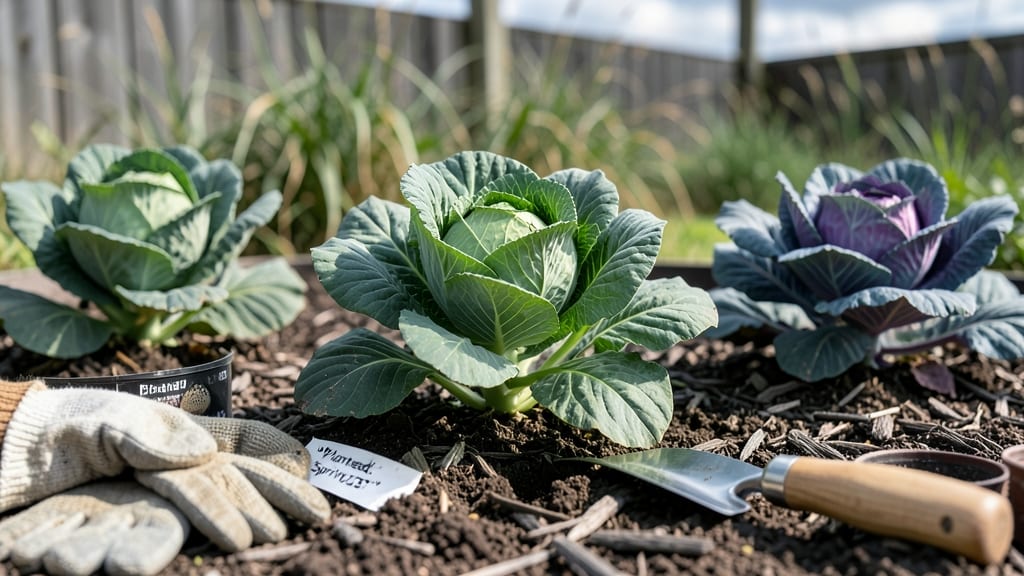
If you're growing 🥬 cabbage in Zone 7B, timing your fall planting could mean the difference between a bumper crop and a bitter disappointment.
Plant too early, and your plants might bolt in the summer heat; too late, and frost will ruin your harvest before you even taste those crisp heads.
I’ve learned the hard way that cabbage thrives when planted 10–12 weeks before your first frost—that’s around early September for Zone 7B. This window ensures your plants mature before winter sets in, giving you sweet, firm heads ready for harvest in October or November.
But here’s the catch: cabbage hates heat, so late summer starts require extra care. We’ll cover how to adjust for your climate, whether to use seeds or transplants, and even which varieties hold up best in 7B’s tricky summers. Ready to master the perfect planting schedule?
Let’s dive into the exact steps to plant your cabbage for a zero-bolt, frost-free harvest—no guesswork, just results. You’ll walk away knowing the best dates, soil prep, and spacing tricks to keep your cabbage happy from seed to harvest.
Optimal cabbage planting windows in zone 7B for fall harvests
In Zone 7B, timing your cabbage planting is the secret to avoiding two common pitfalls: heat-induced bolting (when cabbage flowers prematurely) and winter frost damage.
The key is to plant for a fall harvest—this gives your cabbage enough time to mature before the first frost, typically around mid-November in Zone 7B.
For fall cabbage, aim to transplant seedlings or direct-sow seeds 10–12 weeks before your first frost. In Zone 7B, this translates to late August to early September. This schedule ensures your cabbage will be ready to harvest in October or November, just before the ground freezes.
If you prefer a spring harvest, plant in early spring (March–April), about 4–6 weeks before your last frost date (around March 15 in Zone 7B). However, spring cabbage is riskier in Zone 7B due to unpredictable heat waves that can trigger bolting.
Here’s the golden rule: Cabbage thrives in cooler temperatures (50–75°F). Planting in late summer allows your cabbage to enjoy mild fall weather while avoiding the scorching summer heat that stresses the plant. Let’s break down the exact planting windows and varieties that work best in Zone 7B.
For direct sowing, start seeds indoors 6–8 weeks before your target transplant date (so around late June to early July for a fall harvest). This gives seedlings a head start before transplanting outdoors in late August. However, transplanting seedlings is often easier and more reliable, especially for beginners.
If you’re starting from seeds, choose fast-maturing varieties (like ‘Golden Acre’ or ‘Red Express’) to ensure they reach maturity before frost. These varieties typically take 50–70 days to harvest, making them ideal for Zone 7B’s short fall season.
One pro tip: Mulch heavily after transplanting to keep soil cool and retain moisture. Use straw or shredded leaves—this helps prevent the soil from overheating, which can trigger bolting. Aim to keep soil temperatures below 75°F for optimal growth.
Finally, succession planting can extend your harvest. Sow a second batch of seeds 4–6 weeks after your initial planting to ensure a continuous supply of fresh cabbage. Just adjust the spacing and thinning as needed to avoid overcrowding.
With these Zone 7B-specific timing tips, you’ll avoid the two biggest cabbage-growing mistakes: bolting from heat and frost damage. Next, we’ll dive into how to adjust your planting dates if your summer runs hotter than usual to keep your cabbage cool and happy.
Optimal cabbage planting windows in zone 7B for fall harvests
For Zone 7B gardeners, the key to fall cabbage success lies in planting between August 1–15 for a harvest before winter frost. This window ensures your plants mature in 70–90 days—just enough time to develop firm heads before the November 15 average first frost.
Cabbage hates summer heat, so late starts require precise timing. Plant too early (like June), and your cabbage will bolt from the 90°F+ temperatures common in Zone 7B summers. Too late (after mid-September), and frost will ruin your crop before harvest.
Here’s my Zone 7B fall planting schedule for zero-bolt, frost-free cabbage:
| Stage | Action | Notes |
|---|---|---|
| Start Seeds Indoors | 6–8 weeks before transplant | Early August for fall harvest |
| Transplant Seedlings | August 1–15 | Use shade cloth if temps exceed 85°F |
| Direct Sow Seeds | August 15–September 1 | Slower but avoids transplant shock |
| Harvest Ready | October–November | Before heads split or bolt |
For spring cabbage in Zone 7B, aim for March 15–April 1—just after your average last frost date. This gives your plants enough cool weather to mature before summer heat sets in.
Pro tip: Use fast-maturing varieties like ‘Golden Acre’ (58 days) or ‘Red Express’ (60 days) for late summer starts. These tolerate heat better than slower varieties, reducing bolting risk in Zone 7B’s hot spells.
Remember, soil temperature matters too. Cabbage thrives in 50–85°F soil—any hotter, and growth slows. Test your soil before planting to avoid surprises.