
Plants
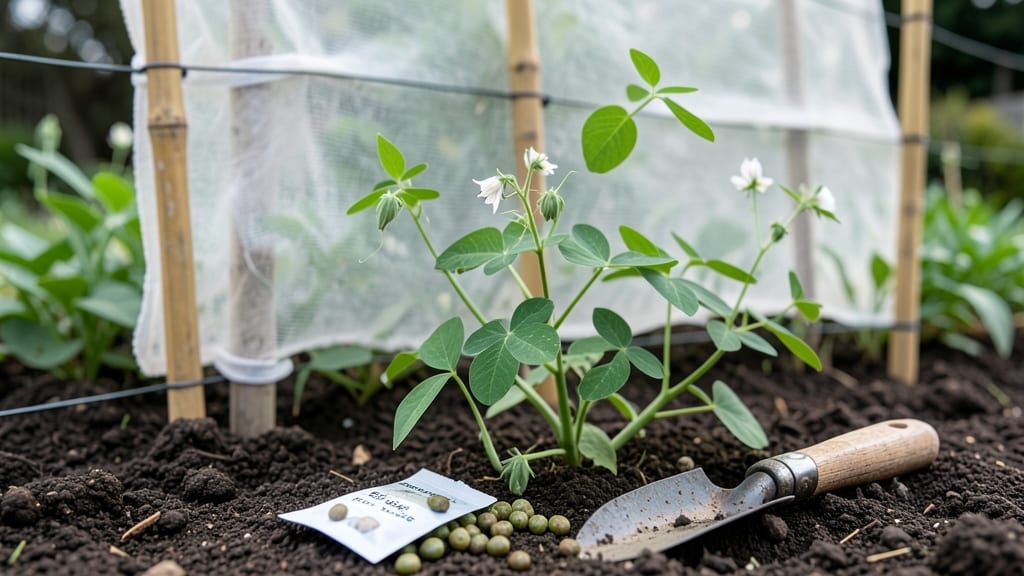
Timing is everything when it comes to planting English peas in Zone 7—and getting it wrong can mean bitter, tough pods instead of the crisp harvest you crave.
The key to zero-bolt success lies in planting at the right moment, when soil temperatures and daylight balance perfectly to prevent premature flowering.
Most gardeners in Zone 7a-7b know spring is prime time, but did you know late summer offers a second chance for fall harvests? I’ll break down the exact planting windows—February-March for spring and July-August for fall—plus how to adjust for your local microclimate to maximize yield and avoid bolting.
Whether you’re growing shelling peas for fresh eating or snap peas for crunchy snacks, the right timing ensures your plants thrive. You’ll learn how to read soil temps, choose the best varieties for your zone, and even extend your harvest season with simple tricks.
Ready to turn your garden into a pea powerhouse? Let’s dive into the exact dates and methods that’ll have you picking peas all season long.
Zone 7 English pea planting calendar: exact start dates by variety for sweet harvests
Timing is everything when growing English peas in Zone 7—plant too early, and you risk bolting (premature flowering); too late, and your harvest shrinks. The key is aligning your planting dates with soil temperatures and frost risks.
For Zone 7, your two best windows are early spring (February–March) and late summer (July–August).
Spring plantings should start 4–6 weeks before your last frost date (typically mid-March in Zone 7). This gives peas enough time to mature before summer heat stresses them. For example, if your last frost is March 15, aim for planting between February 15–March 1.
Late summer plantings should happen 8–10 weeks before your first frost (around November 15), so shoot for July 15–August 15.
Not all pea varieties thrive equally in Zone 7’s climate. Shelling peas like 'Lincoln' or 'Green Arrow' tolerate cooler temps better, while snap peas like 'Sugar Snap' or 'Oregon Sugar Pod' prefer slightly warmer soil. Snow peas like 'Oregon Sugar Pod II' are the most heat-tolerant but still need consistent moisture.
Here’s your Zone 7 pea planting calendar, broken down by variety and season to maximize sweet, tender harvests:
| Variety Type | Best Planting Window | Soil Temp Requirement | Days to Harvest | Zone 7 Notes |
|---|---|---|---|---|
| Shelling Peas (e.g., 'Lincoln', 'Green Arrow') | Feb 15–Mar 1 (Spring) / Jul 15–Aug 1 (Fall) | 40–55°F | 60–70 days | Cold-hardy; ideal for early spring |
| Snap Peas (e.g., 'Sugar Snap', 'Super Sugar Snap') | Mar 1–Mar 15 (Spring) / Aug 1–Aug 15 (Fall) | 45–60°F | 55–65 days | Moderate heat tolerance; avoid summer planting |
| Snow Peas (e.g., 'Oregon Sugar Pod II') | Mar 1–Mar 15 (Spring) / Aug 15–Sep 1 (Fall) | 50–65°F | 55–60 days | Most heat-tolerant; best for late summer |
Pro tip: Use a soil thermometer to confirm temps before planting. Peas won’t germinate well in soil below 40°F, even if air temps are mild. If your soil is still chilly in early spring, opt for cold-hardy varieties like 'Lincoln' or wait until mid-March.
For fall plantings, prioritize snow peas or snap peas—they handle cooler autumn nights better than shelling peas. Start seeds indoors in late July if your summer heat is intense, then transplant outdoors in early August. This gives them a head start on cooler weather.
Microclimates matter! If you live in a cooler microclimate (e.g., near a lake or at higher elevation), push spring plantings to late February. In warmer microclimates (e.g., urban heat islands), delay until mid-March to avoid bolting. Always check your local USDA frost dates for precision.
Remember: Peas are short-lived annuals, so plan for succession planting every 2–3 weeks during your optimal windows. This ensures a steady supply of fresh pods from spring through fall. Pair your peas with radishes or lettuce to maximize space—these companions thrive in the same cool conditions.
🌱
Zone 7 English pea planting calendar: exact start dates by variety for sweet harvests
English peas thrive in Zone 7’s cool spring and fall seasons, but timing is critical. Plant too early, and you risk frost damage; too late, and your peas bolt into bitter flowers. The ideal window depends on your pea type—shelling, snap, or snow—and your local microclimate.
For spring planting, aim for February to early March, 4-6 weeks before your last frost date (typically around March 15 in Zone 7). This gives peas enough time to mature before summer heat sets in.
For fall harvests, sow seeds in late July to early August for a late-season crop.
| Variety | Planting Window | Days to Harvest | Notes |
|---|---|---|---|
| Sugar Snap | Feb 15 - Mar 10 (Spring) / Jul 20 - Aug 5 (Fall) | 55-65 days | Crisp pods; needs trellis |
| Lincoln (Shelling) | Feb 20 - Mar 15 (Spring) / Jul 25 - Aug 10 (Fall) | 60-70 days | Classic sweet peas; heat-sensitive |
| Oregon Sugar Pod | Feb 1 - Mar 5 (Spring) / Jul 15 - Jul 30 (Fall) | 55-60 days | Dwarf variety; great for containers |
| Snow Peas | Mar 1 - Mar 15 (Spring) / Aug 1 - Aug 15 (Fall) | 60-70 days | Flat pods; harvest before thickening |
Soil temperature is the secret weapon for success. Peas germinate best in 40–55°F soil. Use a soil thermometer to check—if temps creep above 60°F, your seeds may rot or bolt prematurely.
In Zone 7a, cooler microclimates (like north-facing beds) can handle earlier plantings, while Zone 7b areas may need to wait until soil warms slightly.
Adjust your planting dates based on your local frost dates. If your area tends to have late frosts, push back spring plantings to late March. For fall, stop sowing by mid-August to ensure peas mature before the first frost (November 15 in Zone 7).
Always plant seeds 1 inch deep and 2 inches apart in rows spaced 18 inches apart for optimal airflow.
Pro tip: If your spring planting window feels too tight, try staggered sowings every 2 weeks for a prolonged harvest. This works especially well for sugar snap peas, which bolt faster in heat. For fall crops, choose heat-tolerant varieties like 'Tom Thumb' to extend your season.
With these exact dates and variety-specific tips, you’ll avoid the bitter bolting that plagues so many Zone 7 gardeners. Soon, you’ll be enjoying crisp, sweet peas straight from your garden—no store-bought pods in sight! 🌱