
Plants
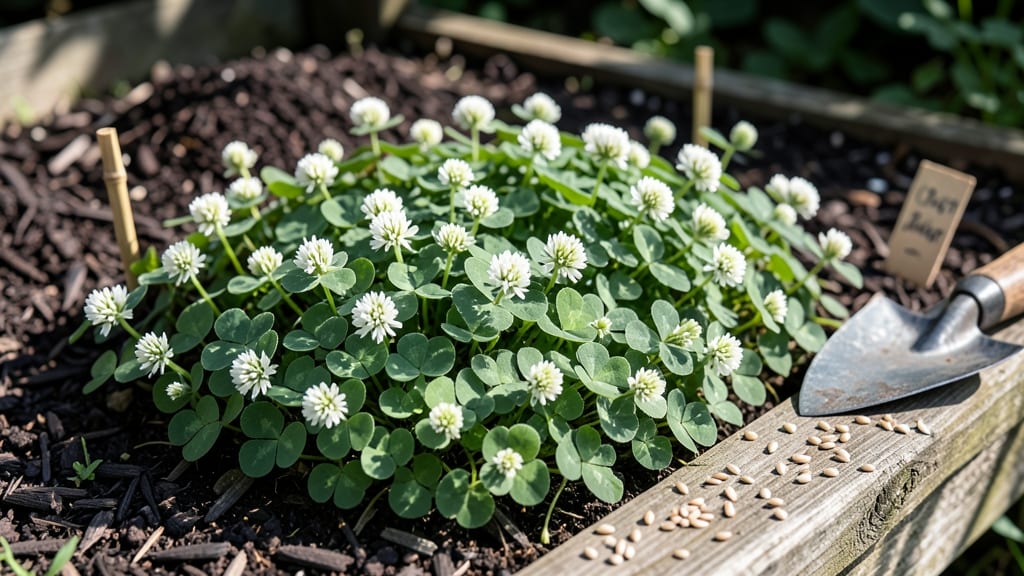
Planting clover in Louisiana at the wrong time can turn your dream of a lush, low-maintenance lawn into a frustrating wait for growth. The key to fast, vibrant ground cover lies in understanding when to plant clover in Louisiana—and fall is your golden window.
With Louisiana’s 8a-9b climate, summer heat and humidity can stress young clover plants, but cooler fall temperatures create ideal conditions for quick establishment. Whether you're planting white Dutch clover for its drought tolerance or crimson clover for soil improvement, timing matters more than you might think.
I’ll walk you through the exact fall planting dates that work best in your region, how to prep your soil for maximum success, and why avoiding summer planting gives clover the competitive edge it needs to outpace weeds. Let’s get your lawn growing fast and healthy.
From choosing the right variety to adjusting for Louisiana’s heavy rainfall, this guide covers everything you need to know to make your clover thrive year-round. Ready to transform your yard? Let’s dive in.
Best fall planting dates for clover in Louisiana’s climate zones
Louisiana’s humid subtropical climate (USDA zones 8a-9b) creates perfect conditions for clover growth—when planted at the right time. Fall is ideal because cooler temperatures reduce heat stress while still allowing seeds to establish before winter.
The best window spans from mid-August to early October, aligning with Louisiana’s rainy season’s end and avoiding summer’s extreme heat.
For white Dutch clover, aim for late August to mid-September—this gives roots time to develop before winter rains arrive. Microclover and crimson clover can extend slightly later, up to early October, since they tolerate cooler soils better.
Planting too late risks frost damage before germination, while early planting may stress seedlings during September heatwaves.
Your specific Louisiana location matters: Northern areas (like Shreveport) should plant by September 15, while Southern zones (New Orleans) can push to October 1. Check your last frost date—typically December 1—to ensure clover establishes 6-8 weeks before winter dormancy begins.
🌱
| Clover Type | Best Planting Window | Soil Temp Requirement | Key Consideration |
|---|---|---|---|
| White Dutch Clover | Late August–Mid-September | 60–75°F | Fastest germination; needs warm soil |
| Microclover | Mid-August–Early October | 55–70°F | Tolerates cooler soils; drought-resistant |
| Crimson Clover | Early September–Mid-October | 50–65°F | Best for winter cover; cold-hardy |
| All Varieties | Avoid planting after October 15 | N/A | Risk of frost before establishment |
Northern Louisiana’s cooler microclimates (like Natchitoches) benefit from earlier planting—start by August 15 to avoid September heat stress. Southern regions (Baton Rouge, Lafayette) can wait until September 1 due to their warmer soils and longer growing season.
Always test your soil temperature with a thermometer—aim for 60°F+ for optimal germination.
Missed the fall window? Early spring planting (February–March) is your next best option, but avoid late spring (April–May) when summer heat and drought stress clover seedlings. Louisiana’s high humidity also increases fungal risks during summer planting, so fall remains the gold standard.
Pro tip: Mix clover seeds with ryegrass for faster ground cover—ryegrass stabilizes soil while clover establishes. Use a seed-to-soil ratio of 1 lb per 100 sq ft for best results in Louisiana’s heavy clay soils. Always lightly rake seeds into the top ¼ inch of soil to ensure contact.
🌿
For organic gardeners, add composted leaves or worm castings to improve soil drainage—critical in Louisiana’s waterlogged areas. Avoid fresh manure, which can burn seeds due to high ammonia levels.
If your soil is sandy (common in South Louisiana), mix in peat moss to retain moisture during the dry winter months.
Finally, mark your planting calendar with these Louisiana-specific deadlines:
- August 15: Northern LA (last chance for microclover)
- September 1: Central LA (ideal for Dutch clover)
- October 1: Southern LA (extended window for crimson clover)
Planting before these dates gives clover 6–8 weeks to establish roots before winter rains or frost arrive.
Best fall planting dates for clover in Louisiana’s climate zones
Louisiana’s 8a-9b hardiness zones create a unique window for planting clover varieties like white Dutch, microclover, or crimson. Fall planting is ideal because it avoids the intense summer heat that can stress young seedlings.
The best time to plant is mid-August through early October, giving seeds time to germinate before winter slows growth.
In northern Louisiana (Zone 8a), aim for late August to mid-September to ensure seeds establish before cooler temperatures arrive. Southern areas (Zone 9b) can plant slightly later, up to early October, thanks to milder winters.
This timing allows clover to develop strong roots before dormancy, leading to faster spring growth.
| Zone | Best Planting Window | Soil Prep Time | Key Consideration |
|---|---|---|---|
| 8a (North LA) | Late August - Mid-September | Prepare soil by August 1 | Avoid early frost risk |
| 9b (South LA) | Early August - Early October | Prepare soil by July 15 | Longer growing season |
For best results, test your soil’s pH (ideal range: 6.0-7.0) before planting. Louisiana’s clay-heavy soils often need amendments like compost or sand to improve drainage. If your soil is too acidic, add lime 4-6 weeks before planting to give it time to adjust.
Choose heat-tolerant varieties like Dixie clover or Florala clover for Louisiana’s climate. These types handle the state’s humidity and heat better than northern varieties. Plant seeds ¼ inch deep and lightly cover with soil to protect them from heavy rains while allowing moisture to reach them.
After planting, keep the soil consistently moist but not waterlogged. Louisiana’s summer rains can create puddles that suffocate seeds, so use a light mulch layer to retain moisture without compacting the soil. This is especially important in low-lying areas where water tends to pool.
Monitor for weed competition during establishment. Clover grows slowly at first, so use a mulch layer or pre-emergent herbicide (clover-safe) to prevent weeds from outcompeting your new plants. Once established, clover will naturally suppress weeds through dense growth.