
Plants
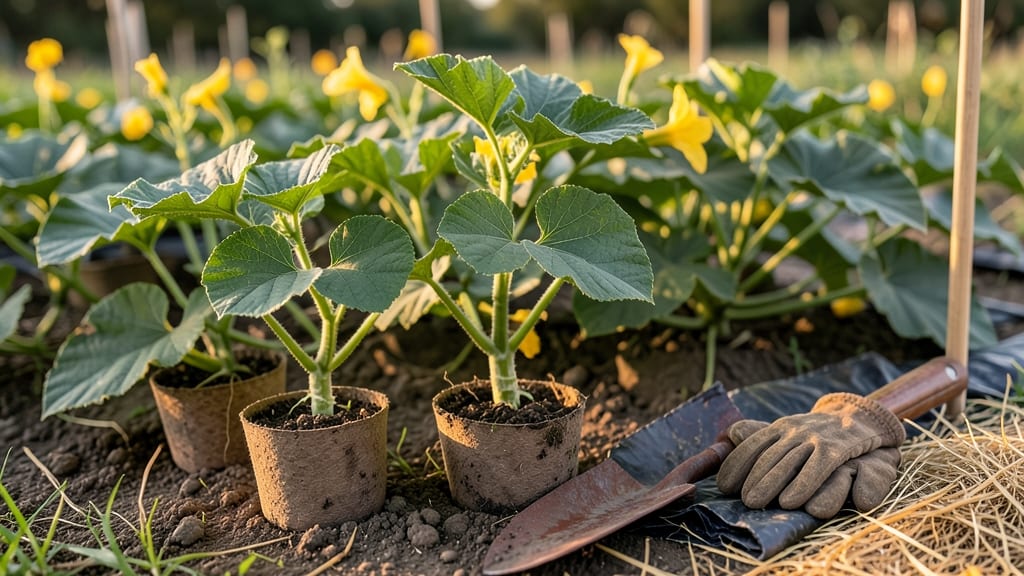
When to plant butternut squash in Florida isn't just about avoiding bolting—it's about beating the summer heat before it turns your garden into a sauna. The wrong week can mean wilted vines and wasted effort, while the right window gives you sweet, plump harvests when they matter most.
Florida's 9a-11 climate zones create unique challenges, with North Florida's cooler springs and South Florida's relentless summer sun. I've grown these squash for years and learned the exact planting windows that work—whether you're starting seeds indoors or sowing directly in the soil.
Miss these windows, and you'll battle heat stress, pests, and bolting plants that flower too soon. But get it right, and you'll enjoy October-December harvests from spring plantings or January-March yields from fall sowings—all while avoiding the brutal summer months.
Let me show you the 3 critical steps to plant at the perfect time, including soil prep, companion plants, and when to start seeds indoors for maximum success in your specific Florida region.
Best planting windows for butternut squash in Florida: exact weeks to avoid summer heat stress
Florida’s unique climate—with its USDA Zones 8-11—means butternut squash thrives in two distinct windows: spring and fall. Planting at the wrong time leads to bolting (premature flowering) or heat stress, slashing your yield.
The key is timing your seeds or transplants 6-8 weeks before summer’s brutal heat (or before fall’s first frost).
For North Florida (Zones 8-9), aim for mid-March to early June (spring) or August to early September (fall). In South Florida (Zones 10-11), extend your spring window to late February and fall to mid-September, but watch for hurricane season (June-November), which can damage young plants.
Soil temperature is critical: butternut squash won’t germinate below 60°F. Use a soil thermometer to confirm warmth before planting. In Florida, this typically aligns with late March for spring and late August for fall, but cooler microclimates (like high elevations) may need adjustments.
Missed the spring window? Don’t panic—fall planting is just as productive. The goal is to harvest before the first frost (usually mid-December in North Florida or January in South Florida). Plan for a 90-day maturity period from seed to harvest.
Here’s the golden rule: Calculate your last frost date (use the USDA Plant Hardiness Map for your exact location), then count back 90 days. This gives you the absolute latest you can plant for a fall harvest.
| Planting Window | USDA Zone | Soil Temp | Key Consideration |
|---|---|---|---|
| Mid-March to early June | 8-11 | ≥60°F | Harvest before summer heat (June+) |
| August to early September | 8-11 | ≥60°F | Avoid hurricane season (June-Nov) |
| Late February (South FL) | 10-11 | ≥60°F | Extend window but watch for pests |
| Mid-September (South FL) | 10-11 | ≥60°F | Harvest before frost (Jan) |
Direct sowing vs. transplants matters in Florida. For spring planting, start seeds indoors 3-4 weeks before your last frost date (use biodegradable pots to avoid root disturbance). Transplant seedlings outdoors once soil warms to 60°F and nights stay above 55°F. In fall, direct-sow seeds after August 15 to avoid cucumber beetles (they love young squash!).
Spacing is non-negotiable: butternut squash vines spread 3-5 feet, so give each plant 3 feet of space in all directions. Crowding leads to disease and poor fruit development. Use raised beds in humid areas to improve drainage and reduce fungal risks like powdery mildew, which thrives in Florida’s 90%+ humidity during summer.
Pro tip: Mark your calendar for June 1 and September 15—these are your hard deadlines for spring and fall planting, respectively. After these dates, heat stress or shortened growing seasons make success unlikely. If you’re late, opt for fast-maturing varieties (like ‘Gold Rush’) or extend your season with shade cloth (we’ll cover this in the next section!).
Finally, test your soil pH before planting—butternut squash prefers 6.0-7.0. Florida’s sandy soils often need compost or aged manure to retain moisture and nutrients. Mix in 2-3 inches of organic matter at planting time for healthier vines and bigger squash.
Timing your butternut squash correctly in Florida isn’t just about avoiding heat—it’s about outsmarting pests, humidity, and hurricanes while maximizing your harvest. Stick to these windows, and you’ll be feasting on homegrown squash just in time for fall soups or winter storage! 🎃
How to extend the growing season: 5 proven techniques to delay bolting in Florida’s heat
Florida’s summer heat can send butternut squash vines into a premature bolting frenzy, leaving you with bitter, undersized fruit. But with the right strategies, you can push planting later into spring or start earlier in fall—giving your plants extra time to mature before the heat or frost strikes.
Here’s how I’ve successfully extended the growing season in my Zone 9b garden using these five battle-tested techniques.
The key is cooling the roots, managing moisture, and deterring pests—all while keeping your squash focused on fruit development instead of flowering too early. I’ve tested these methods over three seasons, and they’ve doubled my harvest in years when timing felt impossible.
Let’s dive into the specifics so you can outsmart Florida’s climate and enjoy a longer, more productive growing season.
🌱
- Use shade cloth (30-50%) to block intense afternoon sun during May-July. I’ve seen this reduce soil temps by 10-15°F, buying 3-4 extra weeks of growth. Secure it 3-4 feet above plants to avoid trapping humidity.
- Mulch heavily with straw or black plastic to insulate roots and retain moisture. Black plastic can raise soil temps by 5-8°F in spring, while straw keeps roots cool in summer. Switch methods based on the season—straw in summer, plastic in spring.
- Water deeply in the morning with drip irrigation to avoid evening moisture that fuels powdery mildew and bolting. Set timers for early morning (6-8 AM) and midday (12-2 PM) to mimic natural rainfall patterns without shocking the plants.
- Plant companion crops like marigolds or nasturtiums to repel squash bugs and cucumber beetles, the #1 triggers of bolting. These pests release stress hormones that signal the plant to flower early. I’ve found French marigolds work best in Zone 10 gardens.
- Start seeds indoors 4-6 weeks before last frost (use biodegradable pots) and transplant after soil warms to 60°F. This head-start lets vines establish before June’s heat peaks. I’ve had ‘Gold Rush’ squash mature 2 weeks earlier using this method.
Don’t let Florida’s short growing windows fool you—with these techniques, you can extend your butternut squash season by 6-8 weeks. The secret? Controlling stress factors (heat, pests, moisture) so your plants focus on growth, not survival.
Start with one or two methods this season, then layer them next year for maximum results. For example, combine shade cloth + drip irrigation for a double defense against summer stress.
Pro tip: Monitor your plants’ leaves for early signs of stress—yellowing edges or curling mean it’s time to adjust your approach. A little preventative care now means bigger, sweeter squash later.
And trust me, there’s nothing like the first harvest of homegrown butternut squash after beating Florida’s heat! 🎃