
Plants
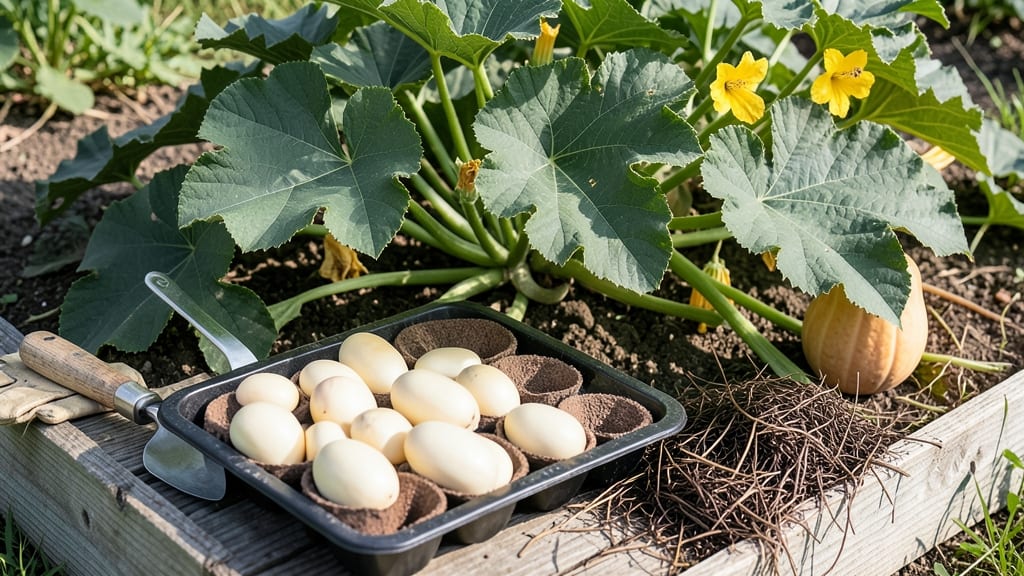
When to plant Butternut Squash seeds in the UK could mean the difference between a bumper harvest and wasted effort. Plant too soon, and frost will nip your seedlings in the bud; too late, and you’ll miss the sweet, nutty rewards of homegrown squash. The secret lies in understanding your region’s last frost dates and soil warmth—because these hardy vines need consistent warmth to thrive.
In the UK’s 8-10 climate zones, where mild winters meet unpredictable spring showers, the ideal window for sowing Butternut Squash seeds runs from late April to early June.
But here’s the catch: southern England’s warmer microclimates can push that window earlier, while cooler northern regions might need to wait until May. Whether you’re direct-sowing or starting indoors, getting this right ensures your plants have enough growing time before the first frost hits in October.
Don’t just guess—learn how to read your soil’s temperature and adjust for your specific corner of the UK. With the right timing, you’ll be feasting on homegrown Butternut Squash by autumn, avoiding the disappointment of stunted growth or early frost damage.
Let’s break down the exact steps to nail your planting schedule, so you can enjoy that first harvest like a pro.
From choosing the right varieties for your region to protecting young plants from unexpected chills, this guide covers everything you need to know.
Whether you’re a seasoned gardener or a beginner with a sunny patch, these tips will help you grow Butternut Squash that’s sweeter, healthier, and more abundant than anything you’ve bought in a store. Ready to dig in?
UK butternut squash planting deadlines by region: avoid frost damage
Butternut squash thrives in the UK's warm summers, but timing is critical to avoid frost damage. The last frost date varies across regions—plant too early, and seedlings will perish.
Southern England enjoys milder conditions, while Scotland and Northern Ireland face cooler climates with later frost risks. Understanding your local frost-free window ensures healthy growth and a bountiful harvest.
For most of the UK, the ideal planting window is between late April and early June. However, this shifts slightly depending on whether you're sowing seeds indoors for transplanting or directly outdoors.
Northern regions should aim for the later end of this window, while southern gardens can start slightly earlier. Always check your local weather forecasts for the most accurate frost predictions.
Here’s a region-by-region breakdown of frost-free planting deadlines to help you plan:
| Region | Last Frost Date (Avg.) | Indoor Start (Weeks Before Outdoors) | Direct Outdoor Sowing Window |
|---|---|---|---|
| Southern England (e.g., London, Sussex) | Late March - Early April | Start indoors by mid-March | Mid-April to early June |
| Midlands (e.g., Birmingham, Nottingham) | Early April | Start indoors by late March | Late April to mid-June |
| Northern England (e.g., Manchester, Leeds) | Mid-April | Start indoors by early April | Early May to late June |
| Scotland (e.g., Edinburgh, Glasgow) | Early May | Start indoors by mid-April | Late May to early July |
| Wales (e.g., Cardiff, Swansea) | Late April | Start indoors by late March | Early May to mid-June |
| Northern Ireland (e.g., Belfast) | Mid-May | Start indoors by early April | Late May to early July |
If you're unsure about your local frost dates, consult the Met Office historical data or use a frost risk calculator. For example, in London, the average last frost is April 15th, while in Edinburgh, it’s often May 1st.
Planting too early in cooler regions risks seedling death, so err on the side of caution.
For direct outdoor sowing, wait until the soil temperature reaches at least 15°C (59°F). Use a soil thermometer to check—cold soil slows germination. If you’re indoor-starting seeds, begin them 4-6 weeks before your region’s last frost date.
This gives seedlings a head start and ensures they’re robust enough to handle transplanting.
Butternut squash needs a long growing season, typically 80-120 days to maturity. Planting in early June in cooler regions may still yield a harvest before the first frost in October-November.
However, for a full-sized squash, aim to plant by mid-June at the latest. Smaller varieties like 'Waltham’s Butternut' mature faster and are ideal for northern gardens.
Protect young plants from unexpected late frosts using frost cloths or cloche covers. These simple tools can buy you an extra 2-3 weeks of growing time.
In high-risk areas, consider using a greenhouse or cold frame for early starts. This extends the season and protects tender seedlings from chilly nights.
Always monitor your plants for signs of frost damage, such as blackened leaves or
How to extend the UK butternut squash growing season with smart techniques
If you’ve ever dreamed of harvesting butternut squash in the UK but worried about our cooler climate, don’t give up! With a few clever strategies, you can extend the growing season and enjoy a bountiful harvest.
The key is to start early, protect young plants, and use season-extending tools to beat the frost. Here’s how I do it in my garden.
First, indoor sowing is your best friend. Butternut squash seeds need warmth to germinate, so I start mine indoors 4-6 weeks before the last frost date—usually late March to early April.
Use seed trays with compost and place them in a sunny spot or under grow lights. This gives seedlings a head start before transplanting outdoors.
🌱 3 Smart Techniques to Extend Your Butternut Squash Season
- 🌱 Start indoors 4-6 weeks before last frost for a head start.
- 🏡 Use cloches or fleece to protect seedlings from late frosts.
- 🌿 Try succession planting every 2-3 weeks for staggered harvests.
Once the risk of frost has passed, harden off seedlings by gradually exposing them to outdoor conditions over 7-10 days. This helps them adapt to cooler temperatures and reduces shock when planted.
For extra protection, I use fleece covers or cloches in early spring or late autumn to shield young plants from unexpected cold snaps.
Another trick is succession planting. Instead of sowing all your seeds at once, plant a new batch every 2-3 weeks during the ideal sowing window (April to June). This ensures a continuous harvest throughout the season, even if the first batch gets hit by an early frost. Just
For those with limited space, container growing is a great option. Use large pots (at least 12 inches deep) filled with well-draining compost and place them in a sunny spot. Containers warm up faster in spring, giving your squash a longer growing season. Just
Finally, choose fast-maturing varieties like ‘Waltham’s Butternut’ or ‘Gold Rush,’ which can be ready in as few as 80-90 days. This gives you more flexibility to plant later in the season or in cooler regions. Pair your squash with companion plants like beans or nasturtiums to deter pests and improve growth.
With these techniques, you’ll maximize your harvest and enjoy homegrown butternut squash well into autumn—no frost required! 🎃