
Plants
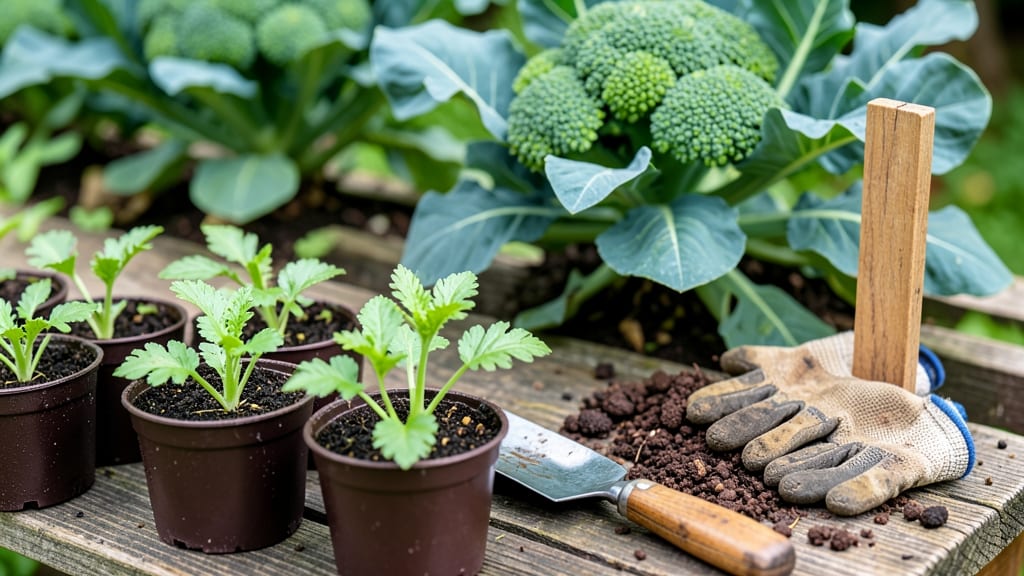
Timing your 🥦 broccoli planting in North Florida isn’t just about throwing seeds in the dirt—it’s the difference between a thriving harvest and bitter disappointment. With our mild winters and unpredictable spring warmth, getting those start dates wrong can mean bolting before you even see a head.
The key? Planting in September or October for a fall crop that matures just in time to avoid Florida’s tricky frost windows.
Here’s the secret most gardeners miss: broccoli hates heat, but it also bolts when days get too long. In Zone 8a, you’ve got a narrow window—4-6 weeks before your first frost—to get seeds in the ground when soil temps hit that sweet spot of 50-60°F.
Skip this, and you’ll either roast your plants in summer heat or watch them flower prematurely when spring arrives.
Let me show you exactly when to plant for zero-bolt success, which varieties thrive in our humidity, and how to prep your soil so your 🥦 broccoli grows like it’s in a greenhouse—not a gamble. No more guessing, just science-backed timing that actually works in North Florida’s climate.
Ready to grow broccoli that’s head-turning (literally)? I’ll walk you through the exact calendar, soil tricks, and even how to stretch your harvest through winter. Let’s get those seeds in the ground the right way—this is your year for bold, beautiful broccoli that doesn’t bolt before you blink.
North Florida’s broccoli planting zones: exact fall start dates by county
Broccoli thrives in North Florida’s cool-season windows, but the right timing varies by county due to microclimates. Jacksonville’s coastal warmth differs from Tallahassee’s cooler inland temperatures—so let’s pinpoint your optimal planting window for zero-bolt success.
For Jacksonville (Zone 8b), aim for mid-September to early October to avoid early heat stress. Gainesville’s Zone 8a gardeners should start late August to mid-September, while Tallahassee’s Zone 8a cooler climate allows late September planting.
Ocala’s Zone 8b falls between Jacksonville and Gainesville—early to mid-September is ideal.
Soil temperature is critical: broccoli seeds need 50–60°F soil to germinate. Use a soil thermometer to confirm readiness—this is your green light to plant.
Heat-tolerant varieties like 'De Cicco' and 'Calabrese' extend your harvest window by 3–4 weeks compared to standard types. These varieties handle North Florida’s mild winter warmth better, reducing bolting risks.
Bolting (premature flowering) is your biggest enemy. Plant 4–6 weeks before your first frost (typically mid-December in North Florida) to ensure heads form before temperatures rise in spring.
Here’s how your county’s frost-free window breaks down for fall planting:
| County | USDA Zone | Optimal Planting Window | Soil Temp Threshold | Heat-Tolerant Variety |
|---|---|---|---|---|
| Jacksonville | 8b | Mid-Sept to Early Oct | 50–60°F | 'Calabrese' |
| Gainesville | 8a | Late Aug to Mid-Sept | 50–60°F | 'De Cicco' |
| Tallahassee | 8a | Late Sept | 50–60°F | 'Calabrese' |
| Ocala | 8b | Early to Mid-Sept | 50–60°F | 'De Cicco' |
If you miss the fall window, don’t fret—spring planting works too! Start seeds indoors in January for outdoor transplanting by mid-February. This avoids the peak summer heat that triggers bolting.
Pro tip: Use shade cloth (30–50%) in late winter to protect seedlings from unexpected warmth. This buys you 2 extra weeks of cool-season growth before bolting risks spike.
For a year-round supply, stagger plantings every 3–4 weeks in fall and spring. This ensures continuous harvests without gaps—perfect for North Florida’s long growing season.
🌱
How to avoid bolting: North Florida-specific tips for cool-season broccoli
Broccoli’s biggest enemy in North Florida isn’t pests—it’s premature bolting, triggered by heat stress or uneven watering. Unlike cooler climates, our mild winters can fool broccoli into flowering too soon, leaving you with bitter stalks instead of tender heads.
The key? Strategic shade, consistent moisture, and soil tweaks to mimic ideal cool-season conditions.
Start with heat-tolerant varieties like 'De Cicco' or 'Calabrese', which handle Florida’s erratic weather better than standard types. These varieties can delay bolting by 10-14 days compared to traditional broccoli.
Pair them with organic bolting inhibitors like compost tea or fish emulsion, which provide steady nitrogen without spiking soil temperatures.
⚠️ Bolting Warning Signs in North Florida
- Yellowing leaves (especially lower ones) before head formation
- Tall, skinny stems with no head development
- Bitter taste when florets start opening
Once bolting starts, harvest side shoots for smaller yields or pull the plant—no amount of care will reverse it.
Shade cloth is your secret weapon. Use 30-50% shade fabric during late winter (February-March) when temperatures creep above 75°F. Secure it 3-4 feet above plants to allow airflow while blocking 20-30% of sunlight. This mimics cooler conditions and buys you 2-3 extra weeks of head formation before bolting kicks in.
Watering is just as critical. Drip irrigation set to deliver 1-2 inches weekly (morning only) prevents soil temperature swings that trigger bolting. Avoid overhead sprinklers—they wash away soil nutrients and create humidity spikes that stress plants. For container-grown broccoli, water every 1-2 days and use self-watering pots to maintain consistency.
Soil amendments make a surprising difference. Work in 2-3 inches of compost at planting to buffer heat stress, and side-dress with aged manure every 4-6 weeks to avoid nitrogen spikes.
For extra insurance, mulch with straw—it keeps roots 5-10°F cooler than bare soil, which is crucial when daytime temps hit 80°F+.
Finally, harvest promptly once heads reach 4-6 inches. Delaying harvest by even 3-4 days increases bolting risk. Use a sharp knife to cut stems at a 45° angle, leaving 1-2 inches of stem to encourage side shoots—your second chance for harvests if the main head bolts prematurely.