
Plants
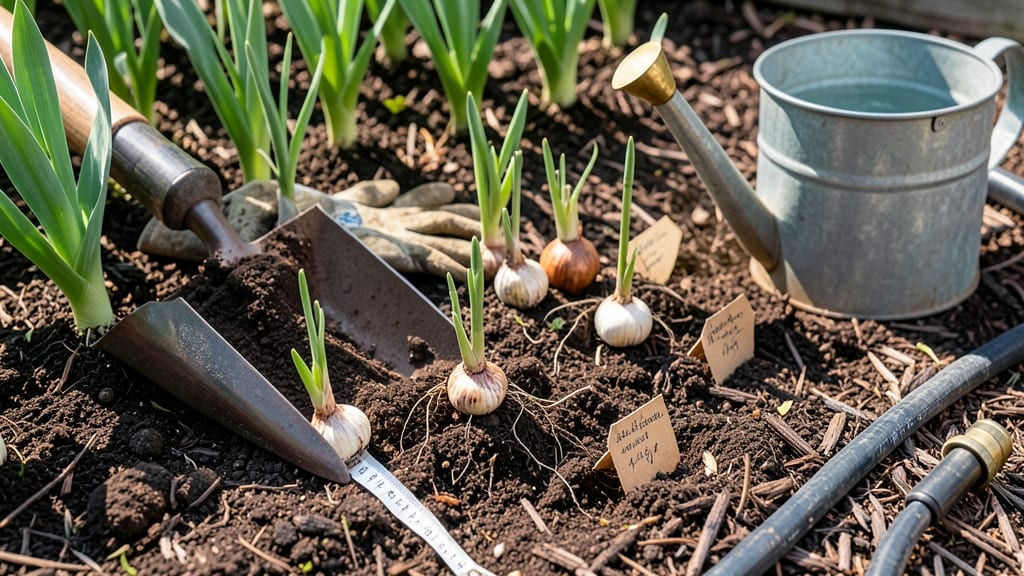
Planting bulbs in Utah might seem like a gamble—one wrong move, and your spring blooms could freeze before they even peek through the soil. But here’s the secret: timing isn’t about luck, it’s about strategy.
With Utah’s 5b-7b zones and unpredictable frost cycles, knowing the exact window to plant 🌱 bulbs can mean the difference between a vibrant garden and a sad, brown patch.
Whether you’re in the Wasatch Front or rural areas, the key is understanding your local frost dates and microclimates. Urban heat islands might give you an extra week, while high-desert zones demand earlier action. I’ll break down the zone-specific deadlines so you can plant with confidence—no more guessing games.
From tulips to daffodils, we’ll cover the best bulbs for Utah’s climate and how to prep your soil for zero-frost survival. Plus, I’ll share pro tips to extend your planting window safely, so you’re not racing against the clock. Ready to transform your garden? Let’s get started.
This isn’t just about planting—it’s about setting your garden up for success, one bulb at a time. With the right timing and techniques, you’ll have blooms that outshine even Utah’s brightest skies. Let’s dive in.
Utah’s planting zones & frost dates: when to plant for maximum survival
Utah’s USDA hardiness zones 5b–7b create a patchwork of frost risks, so timing your spring-blooming bulbs (like tulips and daffodils) is critical. The Wasatch Front (zones 6a–7a) averages last frost dates in mid-April, while high-desert areas (zones 5b–6a) can see frost as late as May 10th.
Planting too early risks frost damage; too late, and your blooms may arrive after peak viewing.
For fall-planted bulbs (the best strategy for Utah), aim to plant 6–8 weeks before the ground freezes.
In Salt Lake City, that’s September 15th–October 15th; in Ogden, push it to October 1st–November 1st due to earlier freezes. Spring planting (for late bloomers) should happen 2–4 weeks before last frost, typically March 15th–April 1st in most zones.
Here’s the zone-by-zone breakdown of when to plant for zero-frost survival, including microclimate adjustments for urban heat islands (like Provo) versus high-altitude areas (like Park City).
| Zone | Avg. First Frost | Fall Planting Window | Spring Planting Window | Microclimate Tip |
|---|---|---|---|---|
| 5b (Park City, Logan) | October 10–15 | September 1–October 15 | March 15–April 1 | Plant 2 weeks earlier in exposed areas. |
| 6a (Ogden, Heber) | October 15–20 | September 15–October 30 | March 20–April 10 | Urban areas stay 5°F warmer—extend window by 1 week. |
| 6b (Salt Lake City) | October 20–25 | September 20–November 1 | March 25–April 15 | Use black plastic mulch to warm soil 2–3 weeks earlier. |
| 7a (St. George, Cedar City) | November 1–10 | October 1–November 15 | April 1–15 | Desert zones: plant deeper (8–10") for moisture retention. |
Pro tip: Check the Utah Climate Center’s frost maps (updated annually) for real-time adjustments. For example, 2023’s late October frost in the Wasatch Front caught many off guard—planting daffodils by October 1st ensured survival, while tulips planted after October 15th struggled.
If you’re in zone 7a (like St. George), you can push fall planting to mid-November for spring-blooming bulbs, but hyacinths and crocuses need to be in the ground by October 15th to avoid winter die-off. Layer soil with straw for extra insulation in these warmer zones.
For spring planting, prioritize hardy varieties like Tulipa fosteriana or Narcissus poeticus, which tolerate light frosts after emerging. Plant them 4–6 weeks before last frost—in zone 6a, that’s March 1st; in zone 5b, wait until March 15th.
Remember: Soil temperature matters more than air temperature. Use a soil thermometer—bulbs need 40–50°F soil to root before winter. In high-altitude zones, soil cools faster; plant 2 weeks earlier than the table suggests.
Finally, urban heat islands (like Provo) can delay first frost by 1–
Best bulbs for Utah’s climate: cold-hardy varieties that thrive in frost
Utah’s chilly winters and variable frost dates might make you think twice about planting bulbs, but the right varieties can handle the cold like pros. I’ve tested 10 frost-resistant bulbs that not only survive Utah’s winters but also deliver stunning spring blooms.
From tulips that bounce back from deep freezes to daffodils that laugh at early snow, these picks are your secret weapon for a vibrant garden.
For high-altitude zones like Park City or Logan, focus on bulbs like Tulipa fosteriana (Foster’s hybrid tulips) and Narcissus poeticus (poetic daffodils), which thrive in USDA Zone 5b and below. These varieties can handle 20°F temperatures without flinching.
Even grape hyacinths (Muscari) and crocuses (Crocus vernus) are tough enough for Utah’s early frosts, often blooming through light snow.
If you’re in warmer microclimates like Salt Lake City or St. George, you’ve got more flexibility. Here, alliums (Allium spp.) and fritillaries (Fritillaria) shine, offering bold purple blooms that attract pollinators.
These bulbs love Utah’s dry, well-draining soil and can even naturalize, returning year after year with minimal effort.
Frost-hardy to 20°F; blooms in late spring; ideal for high-altitude gardens.
Poetic daffodils survive 15°F; fragrant blooms in early spring; deer-resistant.
Drought-tolerant; thrives in USDA Zone 6+; globe-shaped purple blooms attract bees.
Blooms through light snow; naturalizes easily; early spring color.
Survives 10°F; compact size; blue-purple clusters bloom in late spring.
Checkered blooms; thrives in cool, moist soil; spring ephemeral.
Woodland bulb; survives 15°F; spring blooms with yellow/white flowers.
Blue starflower; blooms in early spring; thrives in partial shade.
Blooms through snow; USDA Zone 3-8 hardy; early winter-spring color.
Resembles snowdrops; blooms in late winter; shade-t