
Plants
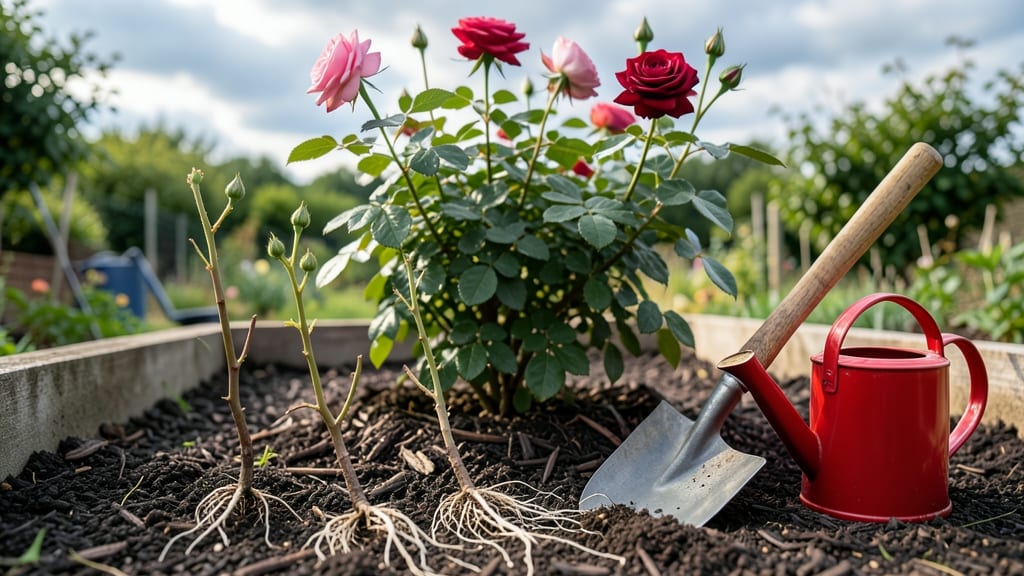
When do you plant roses in Texas? Timing your planting can make all the difference between a thriving garden and a sad, frost-bitten 🌹. Unlike cooler climates, Texas' 8a-10b zones demand precise scheduling to avoid heat stress or early frost damage.
Most gardeners swear by fall planting, but Texas' variable frost dates mean your ideal window depends on whether you're in North, Central, or South Texas. We'll break down exactly when to plant for zero-frost survival in each zone.
Beyond just months, we'll cover soil prep secrets and the best Texas-tough varieties like Knock Out roses that handle our heat and humidity. Ready to plant with confidence?
Let's dive into the exact timing and techniques that'll have your roses blooming beautifully year after year, no matter where in Texas you garden.
Texas rose planting months by hardiness Zone (8a-10a)
Texas' climate varies dramatically from the Panhandle's Zone 8a to the Rio Grande Valley's Zone 10a, making planting timing critical for rose survival. In cooler zones (8a-9a), aim for fall planting (October-November) or early spring (February-March) to avoid late frosts.
Warmer zones (9b-10a) can plant year-round, but fall remains ideal for root establishment before summer heat.
Your last frost date determines your window: North Texas (Zone 8a) typically sees frost until February 15, while South Texas (Zone 10a) rarely experiences frost. Soil temperature is equally critical—60°F+ is perfect for planting, while below 50°F stresses roots. Use a soil thermometer to check before planting.
Bare-root roses thrive when planted in fall or early spring, giving roots time to establish before summer's intensity. Container-grown roses offer more flexibility, especially in Zones 9b-10a, where they can be planted year-round. However, late summer planting (August-September) risks heat stress.
In Zone 8a (North Texas), focus on October-November planting to avoid winter dieback. Zone 9a (Central Texas) gardeners have until December, while Zones 9b-10a (South Texas) can plant through January. Always amend soil with compost and sand to improve drainage—critical in Texas' heavy clay soils.
🌹
| Zone | Ideal Planting Window | Soil Temp Requirement | Key Consideration |
|---|---|---|---|
| 8a (North Texas) | October 15 - November 15 | 60°F+ | Avoid late frosts (Feb 15) |
| 9a (Central Texas) | October 1 - December 15 | 60°F+ | Light frosts possible Nov-Dec |
| 9b (East/Central Texas) | September 15 - January 15 | 55°F+ | Year-round planting possible |
| 10a (South Texas) | Year-round (best Oct-Mar) | 50°F+ | No frost risk; prioritize fall |
For bare-root roses, soak roots in water for 1-2 hours before planting to revive dormant canes. Dig a hole twice as wide as the root ball but only shallow enough to accommodate roots without bending. This prevents girdling roots that strangle the plant as it grows.
In Zone 10a, where frost is rare, spring planting (February-March) is ideal to avoid summer heat stress. Use mulch (2-3 inches) to retain moisture and regulate soil temperature. Knock Out roses and Earth-Kind varieties thrive in these conditions with minimal care.
If you miss the optimal window, don't panic. Container-grown roses can be planted in Zones 9b-10a during summer (June-July), but provide extra shade and daily watering for the first month. Always water deeply after planting to eliminate air pockets in the soil.
💧
Pro tip: Use a planting gauge to ensure proper depth—roots should sit 2 inches below soil level. In heavy clay soils, mix in sand or perlite to improve drainage. Texas native roses, like the Prairie Rose, adapt better to local conditions and require less maintenance.
Texas rose planting months by hardiness Zone (8a-10a)
Texas' diverse climate zones (8a-10a) mean your rose planting timing depends heavily on where you live. In North Texas (Zone 8a), frost can linger until mid-February, while South Texas (Zone 10a) rarely sees frost at all.
This creates two ideal planting windows: fall (October-November) and early spring (February-March), with slight variations by zone.
Fall planting is my top recommendation because cooler temperatures and consistent rainfall help roots establish before summer heat arrives. For Zone 8a gardeners, aim to plant by November 15th—after soil temps drop below 80°F.
In Zones 9a-10a, you can plant container-grown roses year-round, but fall still offers the best success.
| Zone | Last Frost Date | Ideal Planting Months | Soil Temp Requirement | Notes |
|---|---|---|---|---|
| 8a (North Texas) | Feb 15 | Oct 15 - Nov 15 | Below 80°F | Use frost blankets for early spring planting |
| 8b (Central Texas) | Feb 1 | Oct 1 - Nov 15 | Below 75°F | Bare-root roses thrive in fall |
| 9a-10a (South Texas) | Dec 1 (rare) | Sep 15 - Nov 15 | Below 85°F | Container roses can plant year-round |
For early spring planting, wait until after your last frost date and when soil temps reach 60°F+. In Zone 8a, this is typically mid-March, while Zones 9a-10a can start as early as February.
I always check my local Texas A&M AgriLife Extension frost forecast to be sure—it's the most reliable source for zone-specific timing.
One common mistake I see is planting bare-root roses too early in spring when soil is still cold. Roots won't establish properly, leading to poor blooms later.
Instead, soak bare-root roses for 4-6 hours before planting, then amend your soil with compost and sand to improve drainage—critical in Texas' heavy clay soils.
If you miss the fall window, don't panic! Container-grown roses can be planted in December or January in Zones 9a-10a, but avoid planting during peak summer heat (June-August). The root shock from transplanting in extreme heat often kills roses before they recover.
Pro tip: Mulch heavily after planting (3-4 inches) to retain moisture and regulate soil temps. In Zone 8a, add an extra layer of mulch in December to protect roots from freeze-thaw cycles.
This simple step can mean the difference between a thriving rose bush and a struggling one come spring.