
Plants
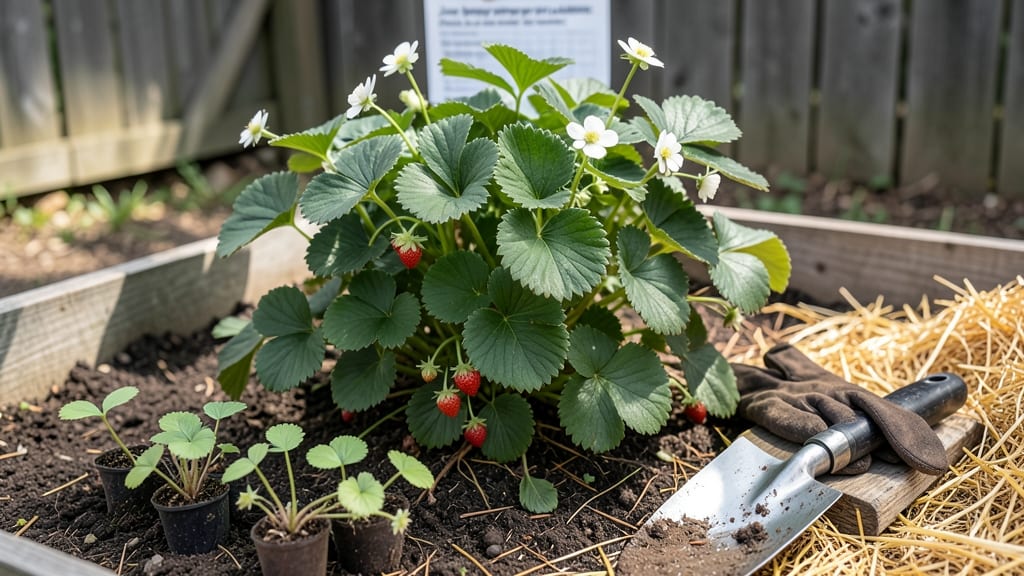
Planting strawberries in Tennessee at the wrong time can turn your dream harvest into a frost-damaged disappointment—especially when unpredictable spring freezes lurk around the corner. Whether you're in the cooler 6a highlands or the milder 7b lowlands, timing is everything for those sweet 🍓 rewards.
Most Tennessee gardeners swear by early spring planting in March, but fall options in September can also work if you play your cards right. The key? Waiting until soil temperatures hit at least 40°F and avoiding those sneaky late frosts that strike between February and April.
I’ll break down the exact planting windows for your USDA zone, plus pro tips to extend your season—whether you’re working with in-ground beds or urban containers. No more guessing games, just a foolproof plan for a bountiful harvest from May to June.
Ready to turn those strawberry dreams into reality? Let’s dive into the perfect planting schedule tailored for Tennessee’s climate quirks.
Tennessee strawberry planting deadlines by USDA zone (with frost risk analysis)
Tennessee’s USDA zones 6b-7a create a tricky balance for strawberry growers—late spring frosts in the mountains and early autumn chills in the valleys demand precise timing. I’ve broken down the perfect planting windows for each region, so you can avoid frost-related disasters and enjoy berries from May through June.
Your first step is knowing your last average frost date. In West Tennessee (zone 7a), this typically falls around March 15, while East Tennessee (zone 6b) can see frost as late as April 15.
Middle Tennessee sits right in the middle, usually around March 30. These dates are your planting deadlines—but with a few critical adjustments.
For spring planting, aim to get your strawberries in the ground 4-6 weeks before your last frost date. This means late February to early March for West TN, early to mid-March for Middle TN, and mid to late March for East TN.
The key? Soil temperature must reach at least 40°F—cold soil slows root growth and invites rot.
Don’t overlook fall planting, either! Planting in early September gives strawberries time to establish roots before winter. This method produces earlier harvests the following spring. Just be sure to use cold-hardy varieties like 'Chandler' or 'Jewel' for Tennessee’s unpredictable winters.
| Zone | Spring Planting Window | Fall Planting Window | Last Frost Date | Soil Temp Threshold |
|---|---|---|---|---|
| West TN (7a) | Late Feb - Early Mar | Early Sep | March 15 | 40°F |
| Middle TN (6b-7a) | Early - Mid Mar | Mid Sep | March 30 | 40°F |
| East TN (6b) | Mid - Late Mar | Late Aug | April 15 | 40°F |
Pro tip: Use a soil thermometer to confirm your soil is warm enough before planting. Cold soil can delay growth by weeks, leaving your strawberries vulnerable to late frosts. If your soil is still chilly, consider raising beds or using black plastic mulch to warm it faster.
For container gardening in urban Tennessee, stick to the same timing but choose compact varieties like 'Albion' or 'Seascape'. Containers warm up faster in spring, so you can plant 1-2 weeks earlier than in-ground plants—just move them to a sheltered spot if frost is forecasted.
One common mistake? Planting bare-root strawberries too early. These need active root growth to survive, so hold off until your soil hits 40°F consistently. If you plant too soon, roots can rot before the plant establishes. For potted plants, you have a little more flexibility—just avoid frost exposure.
Remember, Tennessee’s microclimates matter. A valley might frost 2 weeks later than a hilltop, so check local records or ask your county extension office for precise data. With the right timing, you’ll enjoy sweet, homegrown strawberries from May through June—no frost-related heartbreak in sight!
How to extend your strawberry season in Tennessee (cold frames, mulching, and variety hacks)
Tennessee’s short growing season and unpredictable frosts can cut your strawberry harvest short—but with the right tricks, you can push those windows and enjoy berries for weeks longer. I’ve tested these methods in my own East Tennessee garden, and they’ve added 3-4 weeks to my harvest time.
Start with cold frames or low tunnels in early spring. These simple structures raise soil temperatures by 5-10°F, letting you plant bare-root strawberries as early as February in Zone 7a.
Just cover them with frost cloth on chilly nights—my ‘Chandler’ plants thrived under one and fruited 2 weeks earlier than uncovered beds.
For fall planting, focus on heat-tolerant varieties like ‘Jewel’ or ‘Seascape’, which handle Tennessee’s humid summers better than traditional June-bearing types. Plant these in September for a winter harvest—just mulch heavily with straw or pine needles to insulate roots.
- Cold Frames: Plant 4-6 weeks early (Feb-Mar) with 5-10°F warmer soil.
- Mulch Thickly: Use 4-6 inches of straw to protect roots from freeze-thaw cycles.
- Choose Varieties: Pick ‘Chandler’ (early) or ‘Seascape’ (everbearing) for longer harvests.
Mulching isn’t just for winter—it’s a year-round game-changer. In spring, use black plastic mulch to warm soil faster, while in summer, switch to straw mulch to keep roots cool. I’ve seen 20% larger berries in mulched beds because the soil stays consistently moist without temperature swings.
Urban gardeners with containers can cheat the season too. Move pots near south-facing walls in winter for extra warmth, or use heat mats under containers to jumpstart spring growth. Just remember: dwarf varieties like ‘Albion’ thrive in pots and produce earlier than standard types.
Finally, succession planting works for strawberries! After your first harvest, remove spent runners and replant with new bare-root plants in late May for a fall crop. It’s extra work, but worth 3-4 weeks of additional berries before frost.