
Planting
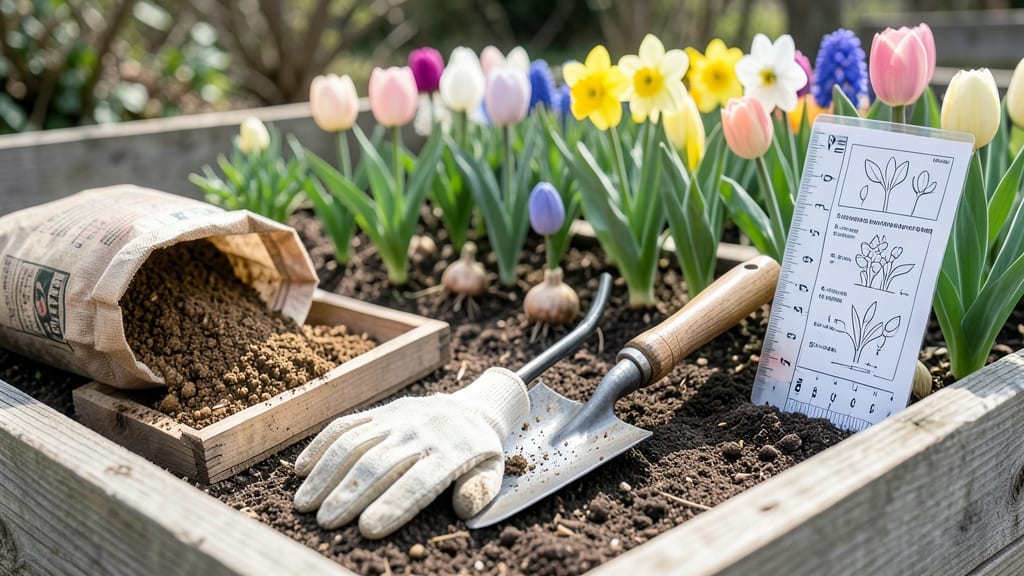
Knowing when to plant bulbs in garden is the secret to a showstopping spring display—because timing isn’t just about the calendar, it’s about understanding your climate and the unique needs of each bulb variety. 🌱 Whether you’re in USDA Zone 6a or further south, getting it wrong can mean waiting years for blooms (or worse, no blooms at all).
The key lies in those 6-8 weeks before the first frost—a window that opens in September for most gardeners but shifts dramatically if you’re in a warmer region. Spring planting is an option too, but it’s a gamble unless you’re growing heat-loving bulbs like dahlias.
Let’s break down the exact moments to plant for perfect results, so you can enjoy that first flush of color without the guesswork.
You might think all bulbs follow the same rules, but tulips and daffodils have different chill-hour requirements, and crocuses play by their own schedule. I’ll walk you through the nuances—like why planting too early can rot your bulbs and how to adjust for late frosts or early springs.
With these insights, your garden will bloom like clockwork, year after year.
Ready to transform your yard into a floral masterpiece? Let’s dive into the most important timing tips, soil prep secrets, and regional adjustments that’ll have your bulbs thriving—no matter where you live.
Chill-hour requirements for popular bulbs: when to plant by variety
Planting bulbs at the right time depends on their chill-hour needs—the number of hours below 40°F (4°C) they require to bloom. Most bulbs need 12-16 weeks of cold before spring growth, but varieties vary.
For example, tulips thrive with 12-16 weeks of chill, while daffodils need 10-12 weeks. Understanding these needs ensures vibrant blooms and prevents wasted effort.
In USDA Zones 3-5, where winters are harsh, plant most bulbs in fall (September-November) to meet chill requirements naturally. In Zones 6-10, milder winters may require spring planting (March-April) or even pre-chilling bulbs indoors. Always check your bulb packages for specific chill-hour guidelines—they’re your best guide!
Here’s a quick reference for popular bulbs and their planting windows by chill needs:
| Bulb Variety | Chill-Hour Needs | Best Planting Time | Notes |
|---|---|---|---|
| Tulips | 12-16 weeks | Fall (6-8 weeks before frost) | Plant deep (6-8") for stability. |
| Daffodils | 10-12 weeks | Fall or early spring (Zones 7-10) | Deer-resistant; great for borders. |
| Hyacinths | 14-16 weeks | Fall (late September-October) | Fragrant; plant in groups for impact. |
| Crocuses | 8-12 weeks | Fall (early September-October) | Early bloomers; ideal for lawns. |
| Alliums | 10-14 weeks | Fall (October-November) | Drought-tolerant; tall, dramatic blooms. |
| Lilies | 6-10 weeks | Spring (after last frost) or fall (Zones 3-6) | Plant in well-draining soil; avoid soggy spots. |
If you’re in a warmer climate (Zones 7-10), many bulbs like tulips and daffodils can be planted in late winter or early spring. However, they’ll need artificial chilling (store bulbs in a cool, dark place for 8-12 weeks) to mimic winter conditions.
This trick works wonders for tropical or subtropical gardens where natural chill is scarce.
For layered blooms, plant bulbs in stages: start with crocuses and snowdrops (early fall), then add tulips and daffodils (late fall), and finish with alliums and lilies (spring).
This creates a sequential color show from late winter to summer. Just ensure each bulb gets its required chill hours before planting!
Pro tip: Use a soil thermometer to track temperatures. Bulbs should be planted when soil temps are below 60°F (15°C) but not yet frozen. This balance ensures roots establish before winter dormancy sets in.
In USDA Zone 10, where winters are mild, focus on spring-blooming bulbs like rain lilies or spider lilies, which thrive with minimal chill. For other bulbs, pre-chill them for 8-12 weeks in a refrigerator before planting in February-March.
Always adjust planting times based on your local frost dates. Check the National Weather Service or local gardening extensions for first frost predictions in your area. Timing is everything—get it right, and you’ll enjoy show-stopping blooms year after year!
How to time bulb planting for year-round blooms: fall vs. spring strategies
Planting bulbs at the right time ensures vibrant blooms, but most gardeners focus only on fall. The truth is, fall planting works best for spring-blooming bulbs like tulips and daffodils, while spring planting suits warm-climate varieties or bulbs needing less chill.
My secret? Layering bulbs for continuous color—plant early bloomers in fall and late bloomers in spring.
For fall planting, aim for 6-8 weeks before the first hard frost (typically September-November in most US zones). This gives roots time to establish before winter dormancy. In USDA zones 7-10, you can plant later—even as late as December—since winters are milder.
The key is soil temperature: bulbs need cool but not freezing soil.
Spring planting is ideal for warm-climate bulbs like rain lilies or calla lilies, which thrive in zones 8-11. Plant these in late winter to early spring (February-April) when soil warms to 60°F+. Pro tip: Soak bulbs overnight before planting to jumpstart root growth in spring’s drier soil.
Layering bulbs creates a non-stop color show. Start with early bloomers like crocuses (plant in September) and top with late bloomers like alliums (plant in November).
This way, as one variety fades, another takes over. For example, daffodils bloom in March-April, while tulips follow in April-May.
Soil prep is critical—bulbs need well-draining soil to prevent rot. Amend heavy clay with compost or sand, and avoid fresh manure, which burns roots. My go-to mix is 50% native soil, 30% compost, and 20% perlite.
Test soil pH too: most bulbs prefer 6.0-7.0. If your soil is acidic, add lime before planting.
Watering is often overlooked. After planting, give bulbs a deep watering to settle soil around roots. Then, water sparingly in fall (bulbs store moisture) and regularly in spring as shoots emerge.
Overwatering in winter can cause rot, while underwatering in spring stunts blooms. Aim for 1 inch of water per week during active growth.
Protect your bulbs from voles and squirrels—they’ll dig up freshly planted bulbs! Use wire mesh cages or plant daffodil bulbs (toxic to rodents) alongside other varieties. In containers, choose heavy pots (20+ lbs) to deter digging.
With the right timing and care, your garden will burst with color from early spring to late summer.