
Plants
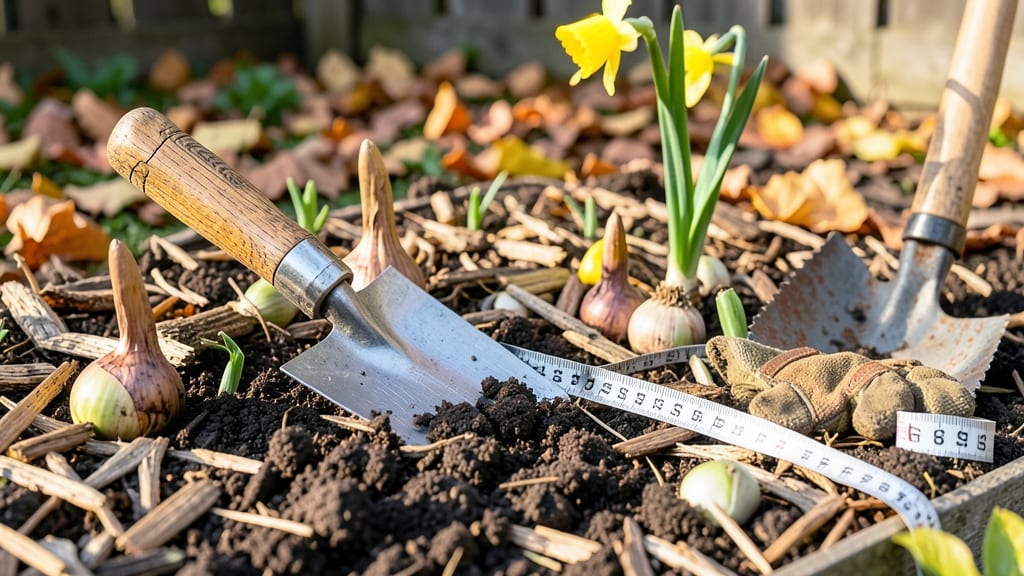
If you’ve ever wondered when do you plant bulbs in the south and dreaded the thought of summer heat ruining your spring blooms, you’re not alone.
The key to success lies in timing—planting Spring Bulbs (e.g., Tulips, Daffodils, Hyacinths) 🌷 during the zero-frost window ensures they establish roots before the heat kicks in.
In the Southern United States (Zones 7a-10b), fall is your golden window—typically between October and December. This timing lets bulbs grow strong roots before winter, so they burst into color come spring without wilting under the sun.
But here’s the catch: planting too early or late can spell disaster for your spring blooms.
I’ve spent years perfecting this process, and what I’m about to share will help you avoid common pitfalls like heat stress or drought. Whether you’re a beginner or a seasoned gardener, these fall timing secrets will transform your garden into a vibrant showstopper.
Let’s dive into the exact strategies that work in Southern climates—so you can enjoy lush, healthy blooms year after year without the guesswork.
Optimal fall planting dates for Southern bulbs (by USDA Zone)
Timing is everything when planting bulbs in the South—one wrong move, and your spring blooms vanish before they appear. Unlike cooler climates, Southern gardeners must work with shorter frost-free windows and intense summer heat.
The key? Planting 4-6 weeks before the first frost in your zone, but not so early that bulbs sprout too soon in warm soil.
For example, in Zone 7a (like Atlanta or Raleigh), where frost typically hits by mid-November, aim to plant between mid-October and early November. But in Zone 9b-10b (Houston or Miami), where frost is rare, bulbs can go in as late as January—just before summer heat peaks.
Let’s break it down by zone to avoid costly mistakes.
| USDA Zone | Ideal Planting Window | Soil Temp Goal (°F) | Bulb Depth (inches) | Notes |
|---|---|---|---|---|
| 7a (e.g., Atlanta, Raleigh) | Mid-October – Early November | 55–65°F | 6–8 inches | Plant before first frost (avg. Nov 15). |
| 8a (e.g., Birmingham, Charlotte) | Late October – Mid-November | 60–70°F | 5–7 inches | Avoid planting after Dec 1—risk of premature sprouting. |
| 9a (e.g., Dallas, Orlando) | November – Early December | 65–75°F | 4–6 inches | Can plant into January for heat-tolerant bulbs (e.g., rain lilies). |
| 10a (e.g., Tampa, San Antonio) | December – January | 70–80°F | 3–5 inches | Focus on summer-blooming bulbs (e.g., cannas, daylilies). |
| 10b+ (e.g., Miami, Houston) | January – February | 75–85°F | 2–4 inches | Prioritize heat-loving bulbs (e.g., spider lilies, rain lilies). |
Pro tip: Use a soil thermometer to confirm soil temps. Bulbs need cooler soil (60–70°F) to root before summer heat arrives. If your soil stays above 75°F, wait until temps drop or plant in shaded beds.
For Zone 7a–8a, also consider winter-blooming bulbs like Christmas amaryllis or paperwhites, which thrive in indoor pots and can be forced to bloom during the holidays. These skip the outdoor timing game entirely!
One common mistake? Planting too late in zones with mild winters (e.g., Zone 9b). Bulbs planted in February may not establish roots before summer drought hits. Always check your local frost dates—extension offices have free zone maps.
Finally, amend your soil with compost before planting. Southern soil is often sandy or clay-heavy, and bulbs need well-draining, nutrient-rich conditions to survive. Mix in 1–2 inches of compost or aged manure to give roots a head start.
Ready to dig in? Grab your bulb planter and mark your calendar—October is the sweet spot for most Southern gardeners. Just remember: earlier is better in cooler zones, while later works in heat zones. Your future spring garden will thank you!
Optimal fall planting dates for Southern bulbs (by USDA Zone)
In the Southern U.S., fall planting is your best bet for spring bulbs like tulips and daffodils 🌷. Unlike cooler climates, Southern gardeners must work around heat stress and variable frost dates. The goal? Plant bulbs 4-6 weeks before the first frost—giving roots time to establish before winter dormancy.
Here’s the breakdown by USDA Zone, where timing shifts dramatically from Zone 7a to Zone 10b. For example, in Zone 7a, aim for mid-October to November, while Zone 9b+ can plant as late as December—even into January for heat-tolerant varieties like rain lilies.
| USDA Zone | Ideal Planting Window | Key Notes |
|---|---|---|
| 7a-7b | Mid-October – November 15 | First frost ~Nov 15; plant daffodils first—they’re frost-hardy. |
| 8a-8b | Late October – December 1 | Frost rare; prioritize shade for bulbs in Zone 8b to avoid summer stress. |
| 9a-9b | November – December 15 | No frost; plant heat-tolerant bulbs (e.g., spider lilies) up to January. |
| 10a-10b | December – January | Year-round planting possible; use mulch to retain moisture in sandy soils. |
Pro tip: Soil temperature matters more than air temperature. Use a soil thermometer—bulbs need soil at 60°F or below to trigger root growth. In Zone 9b+, this might mean waiting until November even if it’s still warm outside.
For container gardening, adjust timing by 2-4 weeks earlier—pots heat up faster and dry out quicker. Place containers in partial shade during peak summer to protect bulbs from heat stress.
Remember, late planting is better than none—even January plantings in Zone 10b can yield blooms if you choose heat-resistant varieties like daylilies or cannas. The key is moisture retention and mulching.