
Plants
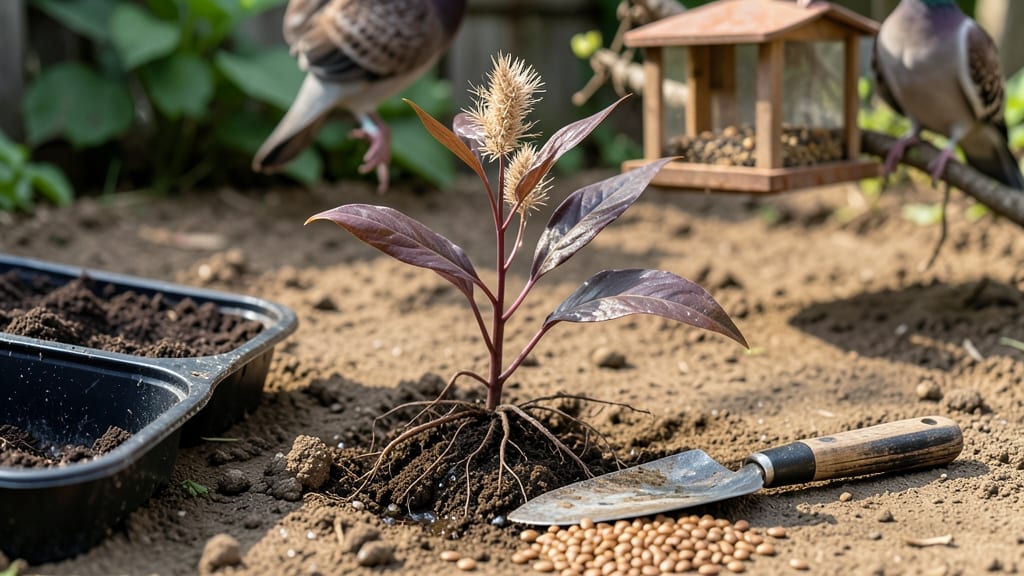
Timing your Brown Top Millet 🌾 planting could mean the difference between a flock of doves visiting your Mississippi fields or watching them fly right past. This fast-growing annual isn't just drought-resistant—it's a dove hunter's secret weapon when planted at the right moment.
Mississippi's 8a climate gives you a 210-day frost-free window, but even here, planting too early risks frost damage while late plantings might miss peak dove activity. The ideal window runs from late April through early May, when soil temperatures hit that crucial 60°F threshold for germination.
What makes this timing so critical? Doves prefer fresh, lush forage, and Brown Top Millet delivers exactly that when planted for maximum seed production between June and July.
We'll show you how to align your planting schedule with dove migration patterns to create a continuous food source from late summer through early fall.
Whether you're a seasoned hunter or new to dove hunting, these planting strategies will help you create the perfect dove magnet in your Mississippi fields. Let's dive into the exact timing and care tips that make all the difference.
Optimal planting months for brown top millet for doves in Mississippi’s climate zones
Mississippi’s diverse climate zones—from the cooler hill country to the warmer Delta—mean your brown top millet planting window can vary by up to 3 weeks.
Understanding these differences ensures your dove forage is ready when migratory birds arrive. Let’s break down the best planting months for each region to maximize success.
For Northern Mississippi (USDA Zone 7b-8a), like Tupelo or Oxford, aim to plant between mid-April and early May. This timing avoids late spring frosts while giving seeds time to mature before summer heat peaks.
In contrast, Southern Mississippi (Zone 8a-9a), including Biloxi or Hattiesburg, can start as early as late March—just after the last frost—thanks to warmer soil temperatures.
Here’s the key: soil temperature must reach at least 60°F for germination. Use a soil thermometer to confirm—cold soil delays sprouting and weakens seedlings. In the Delta region, where humidity is higher, plant slightly later (early April) to prevent fungal issues during germination.
If you’re planting for early-season dove hunting (March-April arrivals), focus on Northern Mississippi plantings. For late-season hunting (September-October), consider August plantings in Southern areas. This staggered approach ensures continuous forage availability.
🌾
| Region | USDA Zone | Optimal Planting Window | Soil Temp Threshold | Dove Hunting Alignment |
|---|---|---|---|---|
| Northern MS (Hill Country) | 7b-8a | Mid-April to Early May | 60°F+ | Early-season (March-April doves) |
| Central MS (Jackson Area) | 8a | Late March to Mid-April | 60°F+ | Early to mid-season |
| Southern MS (Gulf Coast) | 8a-9a | Late March to Early April | 60°F+ | Early and late-season (staggered plantings) |
| Mississippi Delta | 8a-9a | Early April to Early May | 60°F+ | Mid to late-season (humidity adjustments) |
Mississippi’s frost-free season spans roughly 210 days, but microclimates can shorten this in elevated areas. For example, Tishomingo County (Northern MS) may experience frost until mid-November, while Harrison County (Southern MS) rarely sees frost after mid-October.
Always check your local National Weather Service frost predictions to adjust planting dates.
Pro tip: If you’re unsure about your local frost dates, use brown top millet’s fast growth rate (60-90 days to maturity) to your advantage. Planting 2-3 weeks earlier than your zone’s average last frost date is safe in most of Mississippi, as the plant tolerates light frosts once established.
Just avoid planting before March 15 in Northern regions.
For dove hunters, align your planting with migration patterns. Early plantings (March-April) attract spring migrants, while late plantings (August-September) target fall arrivals. In Mississippi, doves typically pass through in March-April and September-October, so staggered plantings ensure continuous food sources.
🌿
Once you’ve nailed down your planting window, focus on soil preparation. Brown top millet thrives in well-draining soil with a pH of 6.0-7.0.
Test your soil before planting—Mississippi’s clay-heavy soils in the Delta or sandy soils in the Pine Belt may need amendments like compost or lime to meet these requirements. Aim to plant in full sun locations (6+ hours of sunlight daily) for optimal seed production.
Finally, remember that brown top millet’s height (3-5 feet) makes it ideal for dove forage, but it also provides excellent cover for ground-nesting birds. Plant in small patches or rows spaced 12-18 inches apart to create a dense, dove-friendly thicket.
Avoid overcrowding, which can lead to poor air circulation and increased disease risk.
Optimal planting months for brown top millet in Mississippi’s climate zones
Mississippi’s diverse climate zones mean your planting schedule should account for regional differences—especially between the Delta’s humidity and the hill country’s cooler nights. Brown top millet thrives in USDA Zone 8a, but timing varies by area to avoid frost damage or missed dove migration windows.
For Northern Mississippi (e.g., Tupelo, Oxford), aim for late April to early May when soil temperatures consistently hit 60°F+. Southern regions like Jackson or Biloxi can start as early as mid-March if frost isn’t a concern. The key is planting 60-90 days before your target dove hunting season.
| Region | Ideal Planting Window | Soil Temp Threshold | Dove Foraging Peak |
|---|---|---|---|
| Northern MS (Zone 8a) | Late April - Early May | 60°F+ | Late August - October |
| Central MS (Jackson) | Mid-April - Early May | 60°F+ | Early August - October |
| Southern MS (Delta/Biloxi) | Mid-March - Late April | 55°F+ | July - October |
In the Delta region, millet can even handle slightly cooler soils (55°F+) due to higher humidity, but avoid planting before March 15 to prevent frost damage. For hill country areas, wait until after May 1 to ensure warm nights aid germination.
Pro tip: Use a soil thermometer to confirm readiness—60°F+ at 2 inches deep guarantees faster sprouting. If your area experiences unpredictable frosts, opt for late April plantings to align with dove arrival timelines.
For extended foraging, consider staggered plantings—sow half your seeds in May and the rest in early June. This creates a continuous food source as doves migrate through Mississippi’s flyways.
Mississippi’s long growing season (210 frost-free days) lets you experiment with late-season plantings too. Try August sowings for fall dove hunting, but use fast-maturing varieties to ensure seeds ripen before frost.