
Plants
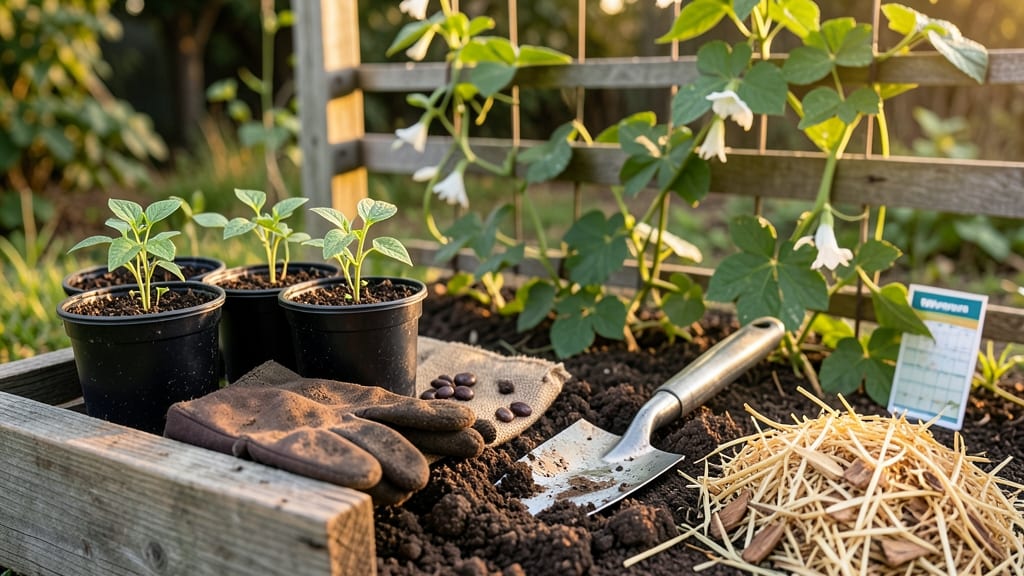
If you’ve ever planted beans in Georgia only to watch them wilt under unexpected chilly nights or bolt into flower too fast, you know timing is everything.
The perfect window for planting these 🌱 legumes isn’t just about avoiding frost—it’s about catching soil warmth and humidity just right, whether you’re in the Piedmont or Coastal Plain.
Most gardeners in USDA zones 7b-8b swear by mid-March to early June for spring plantings, but did you know fall beans can thrive too? Late July to early September offers a second chance, especially for heat-tolerant varieties like ‘Dixie Butterpea.’
The key? Waiting until soil hits 60°F—cold soil slows germination, and no one wants to wait weeks for sprouts.
I’ve grown beans across Georgia’s microclimates, and the difference between a bountiful harvest and a meager one often comes down to these details. Whether you’re a first-timer or a seasoned gardener, mastering the right timing means fewer wasted seeds and more fresh pods from June through October.
Ready to skip the guesswork? Let’s break down exactly when to plant—plus pro tips for extending your growing season so you’re harvesting long after your neighbors have given up.
Georgia bean planting calendar: frost dates, soil temps & best months by region
Georgia’s diverse climate—from the humid Coastal Plain to the cooler Piedmont—means planting beans at the wrong time can ruin your harvest. The key is soil temperature, not just frost dates.
Beans need consistent warmth (60°F+) to germinate, and Georgia’s last frost typically arrives in mid-March, but soil warms 2-3 weeks later.
For peak yields, aim to plant beans when soil hits 65°F—usually late March to early April in most of Georgia. However, Coastal Georgia (like Savannah) can plant 2-3 weeks earlier thanks to milder winters, while North Georgia mountains (like Blue Ridge) may need to wait until mid-April.
Here’s how to align your planting with Georgia’s three key regions and their unique frost-free windows:
| Region | Last Frost Date | Ideal Planting Window | Soil Temp Threshold | Harvest Window |
|---|---|---|---|---|
| North Georgia (USDA 7b) | Mid-April | Late April–Early May | 65°F+ | July–August |
| Atlanta Metro (USDA 7b-8a) | Early April | Late March–Early April | 60°F+ | June–July |
| Coastal Georgia (USDA 8a-8b) | Late February–Early March | Mid-March–Late March | 58°F+ | May–June |
Georgia’s fall planting window is just as critical. For a second harvest, plant beans in late July to early August—this gives them 80-90 days to mature before the first frost in mid-November. Pole beans often perform better in fall because they mature faster than bush varieties.
Pro tip: Use a soil thermometer to confirm warmth. If your soil is below 60°F, wait—cold soil delays germination and invites soil-borne diseases. In North Georgia, this might mean pushing planting to May for a fall crop, while Coastal Georgia can stretch into early September.
Don’t overlook microclimates. Urban areas like Atlanta can be 5-10°F warmer than rural spots, while valleys trap cold air. Observe your garden’s behavior for 3 years to refine your planting schedule—this beats relying on averages.
For extended harvests, try succession planting every 2 weeks from April to June. This ensures a steady supply of fresh beans instead of a single 2-week glut. Just remember: never plant beans where you grew them last year—crop rotation prevents soil depletion and disease buildup.
Georgia’s humidity also plays a role. Overcrowded plants in hot, muggy conditions lead to powdery mildew. Space bush beans 4-6 inches apart and pole beans 6-8 inches apart with trellises to improve airflow and yield.
🌱
How to choose between early, mid-season, and late bean varieties for Georgia’s climate
Georgia’s humid subtropical climate means not all bean varieties thrive equally here. Early varieties like ‘Contender’ bolt quickly in summer heat, while late-season types like ‘Blue Lake’ may struggle with fall frosts if planted too late. The key is matching your planting window to the right variety.
For spring plantings (March-May), prioritize heat-tolerant mid-season varieties like ‘Dixie Butterpea’ or ‘Purple Hull’. These handle Georgia’s 90°F+ spikes better than cooler-climate beans. Bush beans (e.g., ‘Blue Lake’) mature faster—ideal for short-season areas like North Georgia’s higher elevations.
Pros: Fast harvest (50-55 days)
Cons: Bolt in heat; poor yield in summer
Pros: Heat-tolerant; high yield
Cons: Need consistent water
Pros: Store well; good for fall
Cons: Risk of frost damage
Pros: Higher yield; longer harvest
Cons: Need trellis support
For fall plantings (July-September), opt for longer-maturing varieties like ‘Rattlesnake’ or ‘Crowder Pea’. These handle Georgia’s high humidity better and produce well into October. Pole beans (e.g., ‘Kentucky Wonder’) are perfect for succession planting—they extend harvests by 4-6 weeks compared to bush types.
Pro tip: In North Georgia’s cooler zones (7b), plant early varieties like ‘Tendergreen’ in late April to avoid late spring frosts. In Coastal Georgia’s heat zone (8b), stick to mid-to-late season types and plant in June-July for fall harvests.
Always check your seed packet for days to maturity and count backward from your first expected frost (mid-November). For example, a 60-day variety planted in early September will harvest just before frost—ideal for Georgia’s short fall window.