
Plants
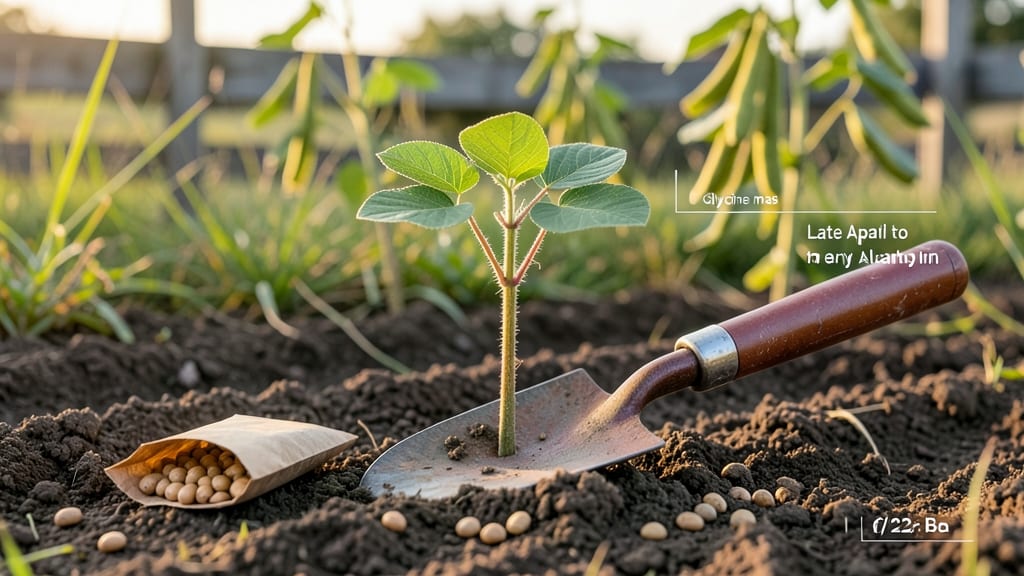
Planting soybeans in Alabama at the wrong time could mean the difference between a thriving crop and wasted effort—especially when frost dates shift by county. With Alabama's 7b-8b climate zones, timing isn't just about the calendar; it's about soil warmth, last frost dates, and avoiding summer drought stress.
Most Alabama farmers swear by planting between early April and mid-June, but the real magic happens when you align your schedule with 60°F soil temperatures and local frost-free deadlines. Skip this window, and you risk stunted growth or even crop failure from unexpected cold snaps.
I'll break down the exact planting windows by region, including how to adjust for short-season varieties and when to avoid late-season risks. Whether you're a backyard gardener or a large-scale farmer, these insights will help you maximize your soybean harvest.
From Alabama Cooperative Extension data to real-world farmer tips, you'll discover how to time your planting for peak yields—no guesswork required. Let's get started.
Alabama soybean planting deadlines by county: frost-free zone maps and key dates
Alabama’s diverse climate means your soybean planting timeline should align with your specific county. Northern regions like Madison or Marshall have later frost dates than southern areas like Mobile or Baldwin, creating a 3-4 week window difference in ideal planting.
Always aim to plant 2 weeks before your county’s last frost date to ensure healthy germination.
For most of Alabama, the optimal planting window spans from early April to mid-June. However, soil temperature is just as critical as calendar dates—soybeans need consistent soil temps above 60°F to thrive.
Use a soil thermometer to verify readiness, especially in cooler northern counties where late April may still be too chilly.
Here’s a quick county-by-county breakdown to help you plan:
| County | Last Frost Date | Ideal Planting Window | Soil Temp Threshold |
|---|---|---|---|
| Madison | Mid-March | Late April - Early May | 60°F+ |
| Jefferson | Late March | Early April - Late May | 60°F+ |
| Autauga | Early April | Mid-April - Early June | 60°F+ |
| Mobile | Mid-February | March - June | 60°F+ |
| Baldwin | Late February | March - Late June | 60°F+ |
Southern counties like Mobile and Baldwin can start planting as early as March, while northern areas like Madison and Marshall should wait until late April. This variation ensures you avoid cold soil stress in cooler regions and heat stress in southern areas if planted too late.
If you’re in a transition zone like Autauga or Montgomery, aim for mid-April to balance risk. Always check the Alabama Cooperative Extension System for updated frost maps, as microclimates can shift yearly due to climate variability.
For short-season varieties, prioritize planting by May 1 to ensure harvest before the first frost in mid-November. Longer-season varieties can extend planting to mid-June, but monitor drought conditions closely during summer months.
Use a planting calendar to track your county’s frost dates and soil temperature trends. Many local extension offices provide free planting guides tailored to your region—don’t hesitate to reach out for personalized advice.
Pro tip: If you’re planting cover crops before soybeans, adjust your timeline to allow 4-6 weeks for cover crop termination before soybean planting. This ensures your soil is ready and nutrient-rich for optimal growth.
For organic growers, consider planting earlier in April to take advantage of Alabama’s warmer spring soils, which can reduce pest pressure and improve germination rates.
5 Critical factors that determine the best soybean planting time in Alabama
When planning your soybean planting schedule in Alabama, don't rely solely on the calendar—soil conditions and local climate play huge roles. The first critical factor is soil temperature, which must reach at least 60°F for optimal germination. Cold soils delay growth and increase disease risk.
I always check soil temps with a soil thermometer before planting, especially in North Alabama counties like Madison or Marshall, where cooler springs can push planting back until late April. Southern regions like Baldwin or Escambia often hit ideal temps by early April.
Next, rainfall patterns dictate your window—too much moisture before planting can compact soil, while drought stress after planting stunts root development. Alabama's April-May rainfall averages of 5-7 inches create the perfect balance, but I monitor weekly forecasts to avoid planting during predicted downpours.
The previous crop rotation also matters—soybeans thrive after grasses like wheat but struggle following other legumes due to soil-borne diseases. I recommend a 3-year rotation with non-legume crops to maintain soil health and reduce pest pressure.
Pest pressure is another game-changer, particularly in Alabama's humid climate. Early plantings face fewer bean leaf beetles, while late plantings risk southern blight. I use row covers for early plantings and rotate seed treatments to manage pests organically.
Finally, double-cropping potential affects timing—if you're following wheat, plant soybeans by mid-April to harvest before first frost. For sole crops, extend to mid-June, but avoid planting after May 20 in most counties to prevent heat stress.
Pro Tip: Use the Alabama Cooperative Extension's Planting Date Calculator to input your county and soil type for personalized recommendations. I cross-reference this with my local USDA Plant Hardiness Zone map to fine-tune my schedule each year.
By balancing these five factors, you'll create the perfect planting window for Alabama's climate, whether you're growing for green manure or edible beans. The key is flexibility—adjust based on real-time conditions rather than rigid dates.