
Plants
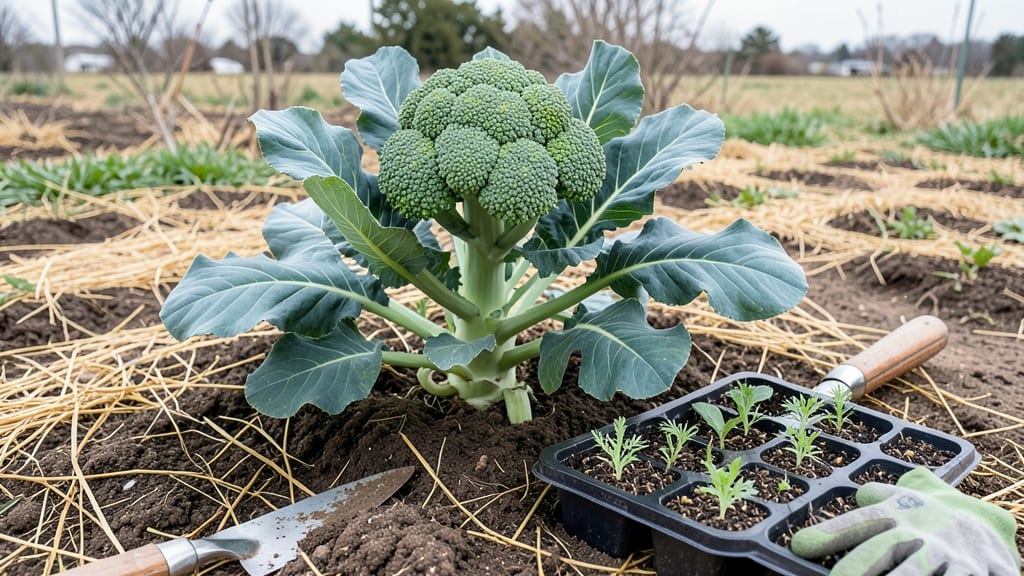
Timing your 🥦 broccoli planting in Washington State isn’t just about following a calendar—it’s about dodging the zero bolt risk that separates a bountiful harvest from a bitter disappointment.
With USDA Zones 6-8 (and microclimates that feel like two different states), planting too early risks bolting from cold snaps, while waiting too long cuts your growing window short.
I’ve spent years watching WA gardens struggle with these exact challenges, and the solution isn’t one-size-fits-all. Coastal areas like Zone 8a can plant 4-6 weeks earlier than inland Zone 6b, but get the dates wrong, and your broccoli heads will turn into bitter flowers before you even harvest.
The key? Understanding your specific frost dates and soil temperatures—because Washington’s unpredictable weather demands precision.
What you’ll discover here are the exact planting windows for both spring and fall crops, tailored to WA’s regions. We’ll cover how to adjust for coastal breezes, inland heat, and even the late-summer window that many gardeners overlook. No more guessing—just data-backed deadlines to maximize your yield.
Ready to grow broccoli that thrives, not struggles? Let’s get into the zone-specific deadlines that’ll keep your 🥦 plants happy—and your dinner table full—all season long.
Washington State broccoli planting zones: exact dates by USDA Zone (5-8) to avoid bolting
Washington’s diverse climate—from the cool coastal regions of Zone 8a to the colder inland areas of Zone 6b—demands precision when planting broccoli. Timing directly impacts bolt resistance and yield.
For example, Puget Sound gardens (Zone 8a) can start 4 weeks earlier than Spokane’s Zone 6b areas. Let’s break down the exact planting windows by zone to maximize your harvest.
Broccoli thrives in cool temperatures (50–75°F), making spring and fall the ideal planting seasons. In Zone 6b (Eastern WA), where frost lingers until April 15, aim to plant March 1–15 for spring harvests.
Meanwhile, Zone 8a (Western WA) can start as early as February 15, thanks to milder winters. Always calculate 60 days before your first frost for maturity—this ensures heads form before heat triggers bolting.
🌱 Pro Tip: Use Washington State University Extension’s frost maps to verify local dates. For instance, Seattle (Zone 8a) averages 165 frost-free days, while Pullman (Zone 6b) has just 140 days. Adjust accordingly!
| USDA Zone | Spring Planting Window | Fall Planting Window | Last Frost Date | First Frost Date |
|---|---|---|---|---|
| Zone 6b (Eastern WA) | March 1–15 | August 1–15 | April 15 | October 15 |
| Zone 7b (Central WA) | February 20–March 10 | July 31–August 10 | March 20 | November 1 |
| Zone 8a (Western WA) | February 15–March 5 | July 20–August 5 | February 28 | November 15 |
For fall planting, focus on August–September to ensure heads mature before first frost.
In Zone 6b, aim for August 1–15; in Zone 8a, you have until August 15–September 1. Succession planting every 2 weeks in spring and 1 week in fall keeps your garden productive.
For example, ‘Waltham 29’ matures in 60 days, while ‘De Cicco’ takes 70 days—plan accordingly!
Soil temperature is critical: broccoli seeds won’t germinate below 40°F. Use a soil thermometer to confirm 50–70°F for optimal sprouting. In cooler zones (6b), consider warming soil with black plastic mulch 1–2 weeks before planting. This trick adds 5–10°F to soil temps, accelerating germination.
Microclimates matter! Coastal WA (Zone 8a) has milder winters, allowing earlier starts, but inland valleys (e.g., Yakima) may need row covers for frost protection.
Always monitor local weather forecasts—a late frost in March can devastate young seedlings. Harden off transplants 7–10 days before outdoor planting to build resilience.
🌿 Key Takeaway: Zone 6b gardeners should prioritize early March and early August plantings, while Zone 8a growers can extend windows to late February and early September. Adjust for elevation—mountainous areas (e.g., North Cascades) may need 2–4 weeks later than valley floors.
Finally, avoid planting broccoli in summer (June–July) unless you’re using shade cloth. WA’s summer heat (often exceeding 90°F) triggers bolting within 2–3 weeks. Instead, opt for heat-tolerant varieties like ‘Calabrese’ if you must plant in late spring, but expect smaller yields.
✂️ Action Step: Mark your calendar for 4–6 weeks before last frost—this is your broccoli’s prime planting window. For Zone 7b (e.g
How to extend your broccoli growing season in Washington’s unpredictable climate
Washington’s unpredictable climate—where coastal areas stay cool while inland zones bake—can shrink your 🥦 broccoli growing season if you don’t adapt. The good news? With the right techniques, you can push your planting windows by 4-6 weeks in both spring and fall.
I’ve used these methods in my own WA garden to harvest broccoli well into November and even squeeze in late-summer crops that thrive when others fail.
Start with cold frames or row covers to protect early spring plantings from late frost. These simple tools can add 10-14°F of warmth, letting you plant 3-4 weeks earlier than the standard guidelines.
For example, in Zone 7b, I’ve successfully planted broccoli as early as mid-February under a cold frame, with harvests by early May.
For late-summer plantings, focus on shade cloth (30-50% coverage) to protect broccoli from inland heat spikes that can trigger bolting. In Zone 7b, I’ve had success planting late-August with shade cloth, harvesting by mid-October before the first frost.
Pair this with drip irrigation to keep soil consistently moist—drought stress is a top cause of bolting in WA’s dry summers.
Don’t overlook succession planting as your secret weapon. By sowing new seeds every 2-3 weeks from March through May, you’ll ensure a steady supply of 🥦 broccoli all season.
In my garden, this means starting with hardy varieties like ‘Blue Wind’ in early spring, followed by ‘Calabrese’ for mid-season, and finishing with ‘Waltham 29’ for late fall. Each variety handles WA’s temperature swings differently, giving you flexibility.
One critical mistake I’ve seen WA gardeners make? Assuming all broccoli varieties perform equally in their climate. Heat-tolerant types like ‘De Cicco’ can handle 85°F+ days, while standard varieties bolt by 75°F.
Always check WSU Extension recommendations for your specific zone—coastal areas can plant 6 weeks earlier than inland zones without risking frost damage.
With these techniques, you can turn Washington’s unpredictable climate into an advantage. My late-summer plantings under shade cloth and my extended fall harvests with row covers prove it—you don’t need a long growing season to grow great broccoli, just the right strategies for your microclimate. 🌱