
Plants
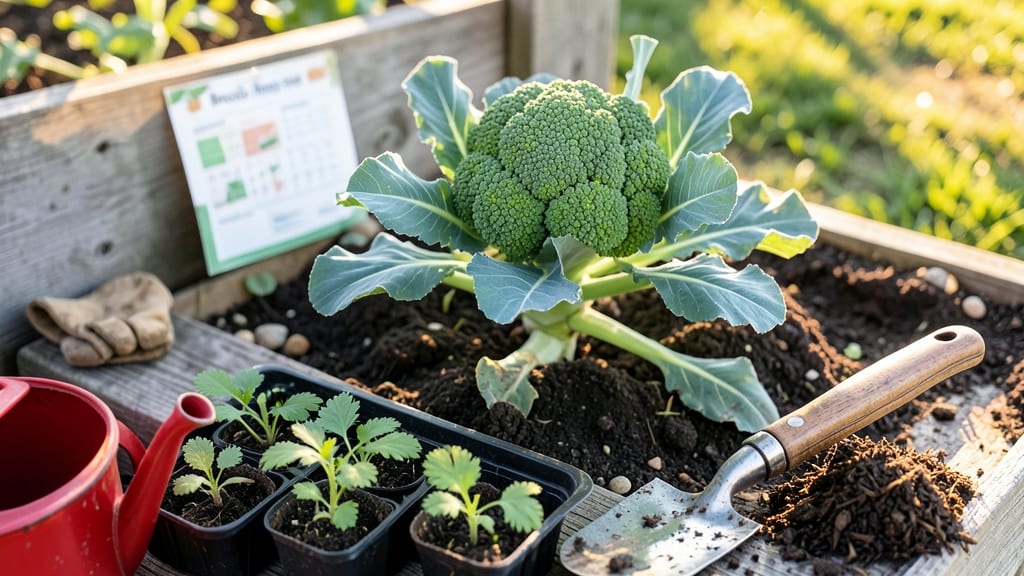
Timing your 🥦 broccoli planting in South Carolina isn’t just about the calendar—it’s about beating the heat and avoiding those dreaded bitter bolts before harvest. With our humid subtropical climate and unpredictable frosts, planting too early or late can turn your garden dreams into a gamble.
But here’s the good news: by following the right frost-date cheat sheet, you can grow crisp, flavorful heads twice a year—spring and fall—without the stress.
Most gardeners in USDA Zones 7b-8a know the basics: plant in late winter for spring harvests or late summer for fall. But the devil’s in the details—like knowing whether your local microclimate (think Upstate vs. Charleston) shifts those dates by 2-3 weeks.
I’ll break down the exact windows you need to avoid bolting, so you can focus on what matters: plucking perfect heads from May to June and again in October-November.
Why does this matter? Because one wrong move—like planting too close to the last frost or ignoring soil temps—can send your broccoli racing to flower before it even forms a head.
I’ve tested these strategies in my own South Carolina garden, and the results speak for themselves: consistent harvests, zero wasted seeds, and heads that stay tight and sweet until you’re ready to eat.
Ready to stop guessing and start growing? Let’s dive into the frost-date secrets that’ll have your broccoli thriving—no matter where you are in the state.
You’ll learn how to time your plantings like a pro, pick the best varieties for SC’s heat, and keep your garden productive from spring to fall.
South Carolina broccoli planting zones: frost dates by region (2024 guide)
South Carolina’s USDA Zones 7b-8a create a unique challenge for broccoli growers. Unlike northern states, our humid subtropical climate means longer growing seasons but also unpredictable late frosts—especially in the Upstate.
The key to success? Timing your plantings around average last frost dates (typically mid-March in most regions) and first frost dates (around mid-November).
I’ve broken down the critical planting windows for Charleston, Columbia, Greenville, and Upstate areas. These dates ensure your broccoli matures before summer heat triggers bolting (when plants flower prematurely) or fall frosts ruin your harvest.
For example, in Zone 8a (Upstate), you’ll want to plant 4-6 weeks before your last frost—usually late February to early March—while Zone 7b (Pee Dee region) may need a slightly later start due to cooler springs.
Here’s the visual cheat sheet for your region’s frost dates and ideal planting windows:
| Region | USDA Zone | Avg. Last Frost | Avg. First Frost | Spring Planting Window | Fall Planting Window |
|---|---|---|---|---|---|
| Charleston | 8a | March 1-15 | November 1-15 | Late Feb - Early March | August 15 - Sept 1 |
| Columbia | 7b-8a | March 10-25 | November 10-25 | Late Feb - Early March | August 1 - Aug 15 |
| Greenville/Upstate | 7b | March 15-30 | October 31 - Nov 15 | Early March | July 31 - Aug 15 |
| Pee Dee Region | 7b | March 10-20 | November 5-15 | Late Feb - Early March | August 1 - Aug 15 |
Adjust dates 1-2 weeks earlier for early varieties or later for heat-tolerant types.
For spring plantings, aim to harvest before June 1—after that, temperatures often exceed 90°F, causing broccoli to bolt. In fall, you’ve got a longer window (October-November harvests), but plant no later than early September in most zones to avoid frost damage.
Pro tip: Use row covers to extend your fall season by 2-3 weeks if frost threatens early.
One mistake I see often? Growers in Zone 8a (like Charleston) planting too late in spring. The heat arrives faster there, so late February starts are safer than waiting for March.
Conversely, Upstate gardeners sometimes rush fall plantings—August is your last chance for a reliable harvest before winter sets in.
Need to adjust for microclimates? Coastal areas like Beaufort can plant 1-2 weeks earlier than inland zones due to milder winters. Meanwhile, mountainous regions (like Caesars Head) may need to delay spring plantings by 10-14 days to avoid late frosts.
Always check your local Cooperative Extension Service for updates, as La Niña or El Niño years can shift frost dates by 1-2 weeks.
Next up: How to avoid bolting in SC’s heat—because even with perfect timing, summer’s relentless sun can still turn your broccoli into a bitter, flowery mess. Stay tuned for shade cloth hacks and succession planting schedules that’ll keep your plants happy until harvest.
South Carolina broccoli planting zones: frost dates by region (2024 guide)
South Carolina’s USDA Zones 7b-8a create a unique challenge for broccoli growers. The state’s humid subtropical climate means late frosts in spring and early heat spikes in summer—both can ruin your crop if you’re not strategic.
I’ve broken down the critical frost dates by region to help you plant broccoli at the optimal time for zero bolt risk.
Your last average frost date varies wildly across SC. Charleston’s coastal breezes push back frosts to March 15, while Upstate areas like Greenville can still see frost as late as April 1.
This means spring planting windows shift by weeks depending on where you garden. For fall crops, aim to plant 90-120 days before your first frost—typically August to early September.
| Region | Last Frost Date | First Frost Date | Spring Planting Window | Fall Planting Window |
|---|---|---|---|---|
| Charleston | March 15 | November 1 | Late Feb - Early March | Mid-August - Early Sept |
| Columbia | March 22 | November 10 | Early March | Late August |
| Greenville | April 1 | November 15 | Mid-March | Early August |
| Upstate (Spartanburg) | April 5 | November 20 | Late March | Late July |
For spring planting, seed broccoli 4-6 weeks before your last frost date. This gives seedlings time to establish roots before soil warms. In Upstate SC, that means starting seeds indoors by mid-February, while coastal gardeners can direct-sow as early as late January under row covers.
Fall planting is trickier. Broccoli needs cool nights (50-60°F) to form heads, but SC’s summers linger into October. Plant heat-tolerant varieties like ‘De Cicco’ or ‘Waltham 29’ in late summer (August) for a fall harvest before frost. Use shade cloth (30-50%) if daytime temps exceed 85°F.
Pro tip: Check your local Cooperative Extension Service for 2024 frost alerts. SC’s microclimates can shift frost dates by 2-3 weeks—especially in low-lying areas or near large bodies of water. Adjust your planting schedule accordingly to avoid bolting or premature wilting.
Remember, broccoli thrives in cool weather, so timing is everything. Plant too early, and you’ll face spring frosts; plant too late, and summer heat will send your plants bolting. Use this frost-date guide as your roadmap to zero-risk harvests in South Carolina’s unpredictable climate. 🌱