
Plants
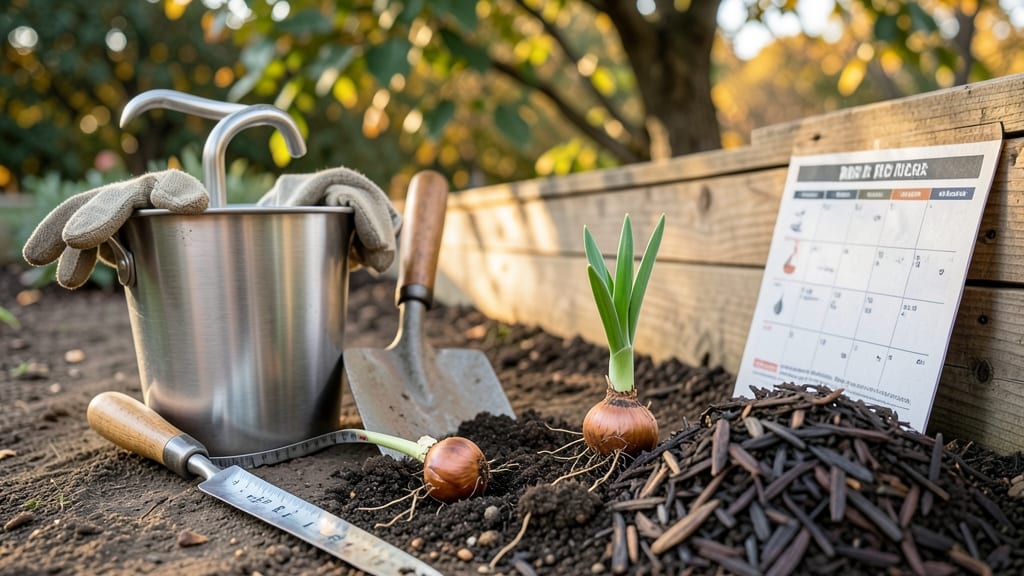
Knowing when to plant bulbs in South Carolina means the difference between a garden bursting with color and a missed opportunity.
With USDA zones 7b-8a and mild winters, your timing matters more than you might think—especially since the wrong schedule can leave you with weak growth or no blooms at all.
Fall is your golden window for most bulbs, like daffodils and hyacinths, where planting between October and November gives roots time to establish before winter. But spring-bloomers like tulips need a different approach, with early February being ideal.
Let’s break down the exact months for each variety to match South Carolina’s unique climate.
You’ll also discover how to adjust for your specific area—whether you’re in Charleston’s humid coastal zone or Greenville’s slightly cooler Upstate. These tweaks ensure your bulbs thrive, even when frost dates or soil conditions seem tricky.
Ready to transform your garden? I’ll walk you through the full schedule, from soil prep to post-planting care, so you can enjoy vibrant blooms year after year without the guesswork.
Best planting months for spring-blooming bulbs in South Carolina
If you want vibrant tulips, cheerful daffodils, or fragrant hyacinths to light up your South Carolina garden next spring, timing is everything. The mild winters and humid summers of SC (USDA zones 7b-8a) create a unique window for planting—one that’s different from northern states.
Plant too early, and your bulbs might rot; too late, and they won’t root before winter. Let’s break down the exact months for each variety to maximize blooms.
Most spring-blooming bulbs (like tulips and daffodils) need to be planted in fall—specifically October through November—so they can establish roots before the ground freezes. However, crocuses and snowdrops are exceptions; they thrive when planted in late fall or early winter (November–December).
The key is to aim for 6–8 weeks before the first frost, which typically hits mid-November in most of SC, but can vary by region.
Here’s a quick guide to soil prep before planting: Loosen the soil to a depth of 8–12 inches, mix in compost for nutrients, and ensure good drainage—especially in low-lying areas where water pools. Clay-heavy soils (common in the Coastal Plain) benefit from adding sand or perlite to prevent rot.
Once planted, mulch with 2–3 inches of straw to insulate bulbs and retain moisture.
Pro Tip: In Zone 8a (Coastal SC), where winters are shorter, you can push planting to early December for hardier bulbs like daffodils. But in Zone 7b (Upstate), stick to October to avoid winter damage. Always check your local frost dates—they’re your planting deadline!
🌱
🌱 Spring-Blooming Bulbs: Planting Guide for South Carolina
| Bulb Type | Best Planting Month | Depth (inches) | Spacing (inches) | Notes |
|---|---|---|---|---|
| Tulips | October–November | 6–8 | 4–6 | Plant in well-drained soil; avoid soggy areas. |
| Daffodils | October–December | 6–8 | 4–6 | Deer-resistant; great for sunny borders. |
| Hyacinths | October–November | 6–8 | 4–6 | Fragrant! Plant in groups for best effect. |
| Crocuses | November–December | 3–4 | 2–3 | Early bloomers; ideal for lawns and rock gardens. |
| Alliums | October–November | 6–8 | 6–8 | Drought-tolerant; striking purple blooms in spring. |
Now that you’ve got your planting calendar, let’s talk depth and spacing. Most bulbs need to be planted twice as deep as their height—so a 6-inch-tall tulip goes 12 inches deep.
Use a bulb planter or your finger as a guide: Dig a hole, place the bulb pointy end up, and cover it with soil. Spacing matters too—crowded bulbs compete for nutrients, leading to smaller blooms.
For tulips and daffodils, keep them 4–6 inches apart; for alliums, space them 6–8 inches apart to showcase their dramatic spheres.
One common mistake in SC is planting bulbs too shallow, especially in sandy soils (common in the Coastal Plain). If the soil is loose, the bulbs may shift or dry out. To fix this, amend sandy soil with peat moss or compost to retain moisture.
In clay-heavy soils (like those in the Upstate), mix in sand or perlite to improve drainage. Always water thoroughly after planting to help roots establish before winter.
After planting, resist the urge to fertilize—bulbs need to focus on root growth, not foliage. Instead, mulch with straw or pine needles to protect them from freeze-thaw cycles, which can heave bulbs out of the ground.
In Zone 7b (Upstate), where winters are colder, add an extra 2–3 inches of mulch for insulation. Come spring, when you see green shoots, that’s your cue to stop mulching and let the sun warm the soil.
If you’re in Charleston or Myrtle Beach, where winters are milder, you might see early bloomers like crocuses popping up as soon as February.
But in Greenville or the Upstate, where frosts linger longer, wait until March for most spring blooms. Pro Tip: Mark your bulb beds with stakes or flags so you don’t accidentally dig them up in the spring!
Finally, don’t forget about sunlight. Most spring-blooming bulbs thrive in full sun (6+ hours daily), but they’ll tolerate partial shade (especially in the hot, humid summers of SC). If planting in shady spots, choose dwarf varieties like
Fall planting schedule for winter and spring bulbs in SC
Fall is the critical window for planting most bulbs in South Carolina, giving them time to root before winter dormancy. For USDA zones 7b-8a, aim to plant between October and November, but your exact timing depends on your region’s first frost date.
In the Upstate (e.g., Greenville), cooler temps mean planting by mid-October, while Coastal areas (e.g., Charleston) can extend until early December.
Popular fall-planted bulbs like daffodils, alliums, and camassias thrive when planted 6-8 weeks before frost. This ensures roots establish before winter, leading to vibrant spring blooms. In South Carolina, this typically means mid-October to early November for most gardeners.
Don’t wait too late—bulbs planted in December may not have enough time to root before cold snaps.
Here’s your region-specific