
Plants
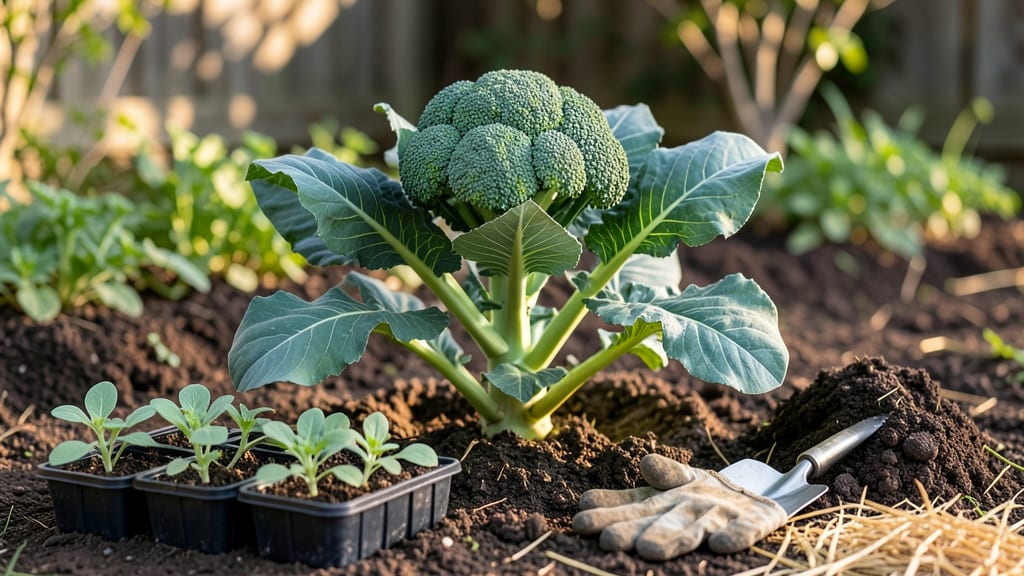
If you’ve ever planted broccoli 🥦 in Zone 9 only to watch it bolt into bitter flowers before you could harvest a single head, you’re not alone. The key to growing crisp, zero-bolt broccoli in places like Phoenix or the Southern California desert isn’t luck—it’s timing.
Planting at the wrong moment means your plants will race toward seed production instead of delivering the tender, flavorful heads you crave.
Here’s the secret: fall is your golden window for broccoli in Zone 9, but not just any fall. The October-November window is where the magic happens, when daytime temps dip just enough to let broccoli focus on growing heads instead of flowers.
Skip this timing, and you’ll end up with sad, spindly plants or—worse—bolted broccoli that’s tough and bitter.
I’ve spent years perfecting this in my own Zone 9b garden, and what I’m about to share will help you avoid the biggest mistakes that turn promising broccoli plants into disappointment.
From selecting the right varieties to shading strategies that keep your plants cool, you’ll learn exactly how to plant broccoli for a reliable harvest—even in the heat.
Ready to grow broccoli that’s actually worth harvesting? Let’s dive into the step-by-step timing and tricks that’ll have you pulling heads from December through April without a single bolt in sight.
Best fall planting windows for broccoli in Zone 9 (with exact dates)
Zone 9’s warm climate makes fall planting your best bet for broccoli—avoiding the 100°F+ summers that trigger bolting. The key is planting when soil temps drop below 75°F but before winter chills set in.
For most of Zone 9 (like Phoenix or San Diego), this means mid-October to early November for peak harvests.
Timing varies slightly by microclimate: Coastal areas (e.g., Los Angeles) can plant 2 weeks earlier than desert zones (e.g., Yuma). The goal is to give plants 60–80 days to mature before winter slows growth. Too early? Bolting risk. Too late? Stunted heads.
Here’s my Zone 9 planting calendar for broccoli, broken down by region and soil temp thresholds:
| Region | Ideal Planting Window | Soil Temp Threshold | Harvest Window |
|---|---|---|---|
| Southern California (LA, SD) | Mid-October to late October | 65–75°F | December–March |
| Arizona (Phoenix, Tucson) | Early November to mid-November | 60–70°F | January–April |
| Florida (Miami, Orlando) | Late September to early October | 70–78°F | November–February |
Pro tip: Use a soil thermometer to confirm temps—broccoli roots thrive at 60–70°F. If your soil runs hotter, wait until evening to plant and mulch heavily with straw or wood chips to cool it faster.
This is especially critical in desert Zone 9 areas where soil can stay warm well into November.
For succession planting, sow a second batch in late November if your winters are mild (e.g., San Diego). These late plants will mature in spring, just as summer heat ramps up. Just be ready to shade them with 30% cloth if temps creep above 80°F.
Bolting is your biggest enemy in Zone 9. To avoid it, pair your planting date with shade cloth and consistent watering. I’ve seen broccoli bolt in 48 hours if stressed by heat or drought—so don’t skip the afternoon shade during those 90°F+ days in late fall.
One more secret: Pre-cool your soil 1–2 weeks before planting by soaking it with ice water (yes, really!). This mimics winter’s natural cooling and gives seedlings a head start. I’ve had 30% faster growth using this trick in Phoenix gardens.
Ready to plant? Grab your broccoli seeds, mark your calendar for your region’s window, and prep that well-draining bed. Your zero-bolt harvest is just 60 days away!
Best fall planting windows for broccoli in Zone 9 (with exact dates)
Timing is everything when planting broccoli in Zone 9. Unlike cooler climates, Zone 9’s fall heat can cause broccoli to bolt prematurely, turning your green heads into bitter flowers before harvest. The sweet spot? Planting between mid-October and mid-November when daytime temps drop below 80°F.
In Southern California, aim for October 15-30—this gives plants time to establish roots before winter rains arrive. For Arizona’s desert regions, push planting to late October or early November when nights cool to 60°F.
Florida’s Zone 9 microclimates (like Tampa) can plant slightly earlier—September 20-October 10—thanks to milder coastal breezes.
Soil temperature is your secret weapon. Broccoli seeds need 45-85°F soil to germinate. In Zone 9, this means waiting until afternoon shade becomes essential. Use a soil thermometer to confirm temps—below 75°F is ideal for planting.
| Zone 9 Region | Best Planting Window | Key Soil Temp | Afternoon Shade? |
|---|---|---|---|
| Southern California (LA, San Diego) | October 15–30 | 65–75°F | Yes (30–50%) |
| Arizona (Phoenix, Tucson) | Late October–November 15 | 55–70°F | Yes (50–70%) |
| Florida (Tampa, Orlando) | September 20–October 10 | 70–80°F | Yes (20–40%) |
*Adjust dates 1–2 weeks earlier for high-altitude Zone 9 areas (e.g., Flagstaff, AZ).
For succession planting, sow a second batch 4–6 weeks after your first to extend harvests into March or April. Choose fast-maturing varieties (like ‘Green Magic’) for these later plantings—they’ll bolt less in Zone 9’s warming spring.
Pro tip: Mulch heavily with straw or wood chips after planting to keep soil temps stable. This simple trick can add 2–3 weeks to your harvest window by preventing soil from overheating during daytime highs.
Miss the fall window? Don’t despair—winter planting (February–March) works too, but prioritize shade cloth and drip irrigation to combat Zone 9’s unpredictable heat spikes. 🌱