
Plants
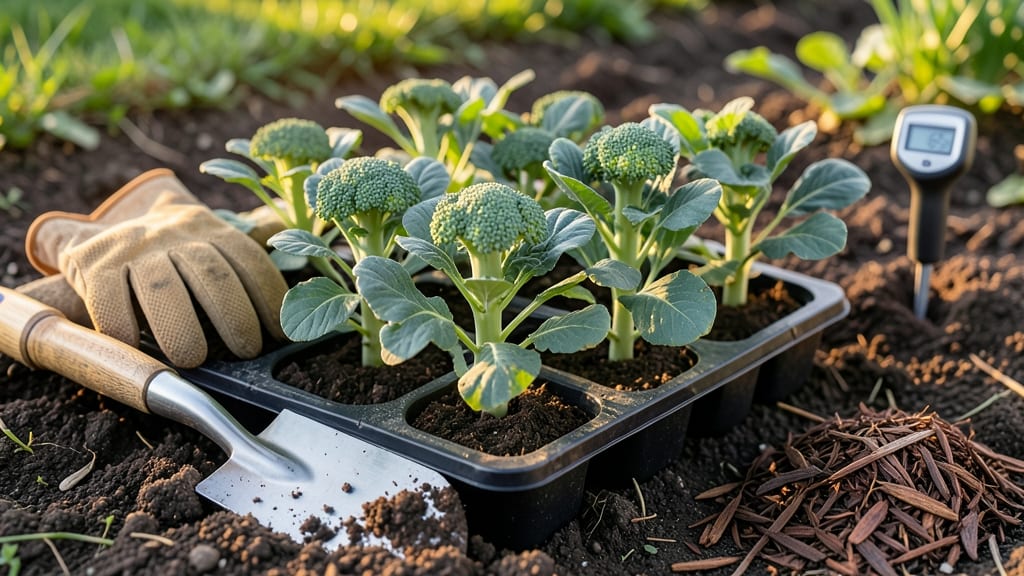
Knowing when to plant broccoli in NJ can mean the difference between a thriving garden and a wasted season. With New Jersey's diverse microclimates—from coastal areas to inland valleys—your planting window isn't one-size-fits-all.
I've seen gardeners in USDA zones 6a-7b struggle with bolting broccoli because they missed the 30-day window before the last frost in April.
Timing is everything, especially when you're dealing with a cool-season crop like 🥦 broccoli. Plant too early, and a late frost will wipe out your seedlings. Plant too late, and your plants will bolt before you can harvest those beautiful green heads.
The key is understanding your local frost dates and adjusting your schedule accordingly.
In this guide, I'll break down the exact planting windows for both spring and fall harvests, tailored to NJ's unique growing conditions. Whether you're in the coastal plains or the piedmont region, you'll learn how to time your plantings for maximum success.
Let's dive into the specifics so you can enjoy homegrown broccoli all season long.
You'll discover the best varieties for NJ's climate, how to protect your plants from common pests, and when to start seeds indoors for an early jumpstart. With these strategies, you'll be well on your way to a bountiful broccoli harvest that rivals anything you can buy at the store.
Ready to get started?
NJ broccoli planting dates by microclimate Zone (coastal vs. inland vs. mountains)
New Jersey’s three distinct microclimates—coastal, inland, and mountainous—create wildly different planting windows for broccoli. Coastal areas like Cape May enjoy earlier last frosts (late March), while inland zones like Trenton face mid-April frosts.
Mountain regions in the northwest? Expect 2-3 weeks later due to colder temperatures. Your goal: plant broccoli 4-6 weeks before your last frost for spring harvests or 90-100 days before first frost for fall crops.
For example, if you’re in USDA Zone 6b (northern NJ), aim for March 15–April 15 for spring plantings. Gardeners in Zone 7a (southern NJ) can start as early as February 20–March 30.
But timing isn’t just about frost—soil temperature matters too. Broccoli seeds need 40°F+ soil to germinate, while transplants thrive in 50°F+ conditions. Use a soil thermometer to avoid delays.
Here’s the critical rule: Coastal NJ’s salt-tolerant varieties (like ‘Calabrese’) can handle briny soil near beaches, but inland gardens need well-draining, compost-rich soil to prevent rot.
Mountain gardens? Stick to cold-hardy ‘Waltham 29’—it tolerates 25°F+ without bolting. Your microclimate dictates not just when to plant, but what to plant.
| Microclimate | Spring Planting Window | Fall Planting Window | Soil Temp Threshold | Best Varieties |
|---|---|---|---|---|
| Coastal (Zone 7a) | Feb 20–Mar 30 | Aug 15–Sep 15 | 40°F+ (soil) | ‘Calabrese’, ‘Green Magic’ |
| Inland (Zone 6b) | Mar 15–Apr 15 | Aug 1–Sep 10 | 45°F+ (soil) | ‘Waltham 29’, ‘De Cicco’ |
| Mountain (Zone 6a) | Apr 1–Apr 30 | Jul 20–Aug 15 | 50°F+ (soil) | ‘Green Goliath’, ‘Packman’ |
Pro tip: Use frost-free date calculators like the National Weather Service’s Climate Tool to pinpoint your exact window. For example, Atlantic City averages a March 28 last frost, while Sussex County (mountains) hits May 5.
Planting too early? Your broccoli will bolt (flower prematurely) from heat stress. Too late? You’ll miss the 60-day harvest window before winter sets in.
For fall harvests, count backward from your first frost date (typically October 15–November 1 in NJ). If your variety needs 80 days to maturity, start seeds by July 20 in coastal areas or August 1 inland.
Mountain gardeners? Stick to July 15 for shorter seasons. Row covers can extend your fall season by 2–3 weeks if temps dip below 32°F.
One mistake I see often? Ignoring soil temperature in favor of air temperature. A 50°F air temp might feel mild, but if your soil is still 40°F, seeds won’t germinate.
Use a soil thermometer ($10 at garden centers) to confirm readiness. Pro growers in NJ swear by black plastic mulch to warm soil faster—especially in Zone 6a areas where cold lingers.
Here’s how to adjust for NJ’s quirks:
- Coastal: Plant 2 weeks earlier than inland dates.
- Inland: Use row covers for late-March plantings.
- Mountains: Choose compact varieties like ‘Little Sperling’ to fit shorter seasons.
Remember: Broccoli bolts (goes to seed) when stressed by heat over 85°F or drought. In NJ’s humid summers, shade cloth (30–50%) can save your crop. For fall plantings, mulch with straw to insulate roots from October frosts. Your microclimate isn’t just about dates—it’s about survival strategies.
🌱
How to adjust broccoli planting for NJ’s unpredictable weather (frost, heat waves, and humidity)
New Jersey’s weather can be as unpredictable as a summer thunderstorm—one day it’s 32°F frost, the next it’s 90°F heat waves. Broccoli thrives in cool conditions, so protecting your plants from these extremes is key to a successful harvest.
Start by choosing the right planting window based on your microclimate, but always have backup plans for late frosts or sudden heat.
The first step is to monitor your local frost dates. Inland areas like Trenton or Princeton often experience frost until mid-April, while coastal regions like Atlantic City may see frost as late as early May.
Use these dates to guide your seed-starting indoors or transplanting outdoors. If you’re planting in late March, be ready to cover young plants with row covers or frost cloth if temperatures dip below 28°F.
Heat waves are another NJ challenge, especially in July and August. Broccoli plants exposed to temperatures above 85°F will bolt prematurely, sending up flower stalks instead of forming heads. To combat this, use shade cloth (30-50% shade) during peak afternoon sun.
You can also opt for heat-tolerant varieties like ‘De Cicco’, which perform better in warmer conditions. Plant these varieties in late summer (August) for a fall harvest before the first frost hits.
Humidity is a double-edged sword in NJ gardens. While broccoli loves moisture, too much humidity can lead to fungal diseases like downy mildew or black rot. Improve air circulation around your plants by spacing them 18-24 inches apart and avoiding overhead watering.
Water in the early morning to allow foliage to dry quickly. If you notice yellowing leaves or black spots, treat plants with a copper fungicide or neem oil spray as a preventive measure.
Here’s a quick pre-planting