
Vegetables
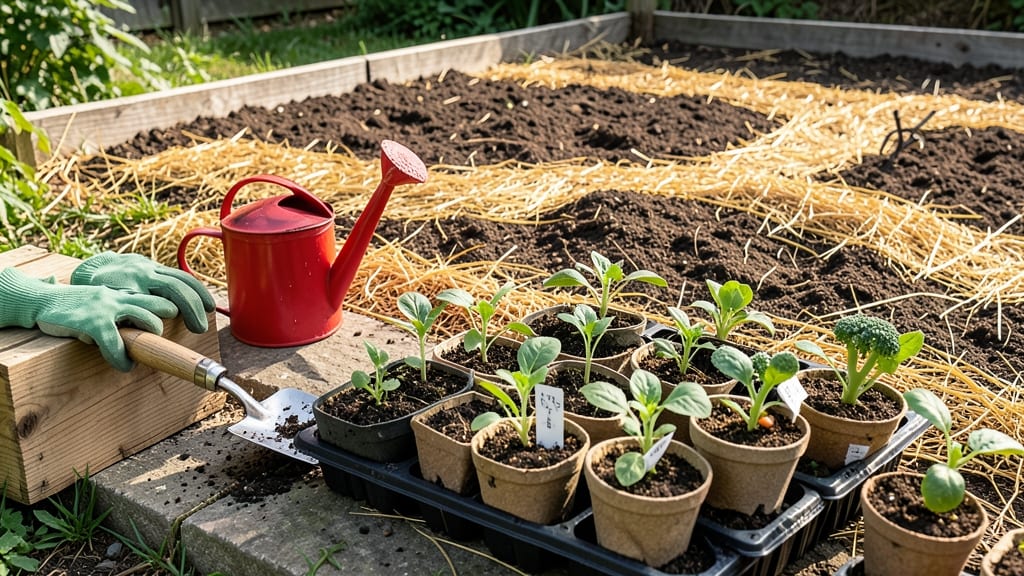
Timing your vegetable planting in California isn’t just about the season—it’s about the microclimate you’re in. Coastal areas with chilly fog, the scorching Central Valley, or desert regions with extreme heat all demand different strategies to avoid bitter greens, bolted lettuce, or stunted tomatoes.
I’ve spent years testing planting windows across California’s diverse zones, and what I’ve found is that spring isn’t a one-size-fits-all answer. Whether you’re in USDA Zone 7 or the high desert, the key to zero-bolt success lies in understanding when to plant—down to the week—for your specific location.
In this guide, I’ll break down the best months to plant your favorite vegetables, from crisp lettuce to juicy tomatoes, tailored to California’s five major planting zones. You’ll learn how to align your schedule with soil temperatures, frost risks, and even urban heat islands to maximize your harvest.
Ready to transform your garden from hit-or-miss to consistently flavorful and abundant? Let’s dive into the science—and the simple hacks—that will change your planting game forever.
California’s 5 planting zones: month-by-month timing for zero-bolt vegetables
California’s climate isn’t just one big zone—it’s a patchwork of microclimates where coastal fog can delay spring by weeks while the Central Valley bakes by June. To avoid bolting lettuce or stunted tomatoes, you need to match your planting to these five distinct regions.
I’ll break down the optimal months, frost risks, and heat thresholds for each, plus which crops thrive where.
Start by identifying your zone: coastal (e.g., San Francisco), Central Valley (Sacramento), desert (Palm Springs), high-elevation (Mount Shasta), or Southern California (Los Angeles). Each has its own last frost dates and soil warming speeds.
For example, coastal areas might plant broccoli in October, while the desert waits until March—same crop, totally different timing.
Here’s the game-changer: soil temperature matters more than air temperature. Use a soil thermometer—most vegetables need 60°F+ soil to germinate. In the Central Valley, that’s usually March-April; on the coast, it’s April-May.
Desert regions? April-May for heat-lovers like okra and sweet potatoes, but August-September for fall crops like kale.
🌱 Pro Tip: Coastal gardeners can plant two full seasons (fall and spring), while inland areas focus on spring and late summer. High-elevation zones? Stick to cool-season crops like peas and spinach—they bolt in heat.
| Zone | Last Frost | Best Spring Planting | Best Fall Planting | Heat-Tolerant Swaps |
|---|---|---|---|---|
| Coastal (e.g., SF) | Dec 15 - Jan 15 | Mar-Apr (lettuce, peas) | Aug-Sep (kale, carrots) | Malabar spinach, Swiss chard |
| Central Valley (e.g., Sac) | Dec 1 - Feb 1 | Feb-Mar (tomatoes, basil) | Jul-Aug (beans, cucumbers) | Black-eyed peas, okra |
| Desert (e.g., Palm Springs) | Nov 15 - Jan 1 | Mar-Apr (peppers, eggplant) | Aug-Sep (squash, zucchini) | Sweet potatoes, cowpeas |
| High Elevation (e.g., Mt. Shasta) | May 1 - Jun 1 | May-Jun (potatoes, cabbage) | Jul-Aug (radishes, lettuce) | None (stay cool-season) |
| Southern CA (e.g., LA) | Dec 20 - Jan 10 | Feb-Mar (broccoli, carrots) | Aug-Sep (beets, turnips) | New Zealand spinach, amaranth |
🌡️ Key: Adjust 2-4 weeks earlier in urban heat islands (e.g., LA) or later in foggy coastal pockets.
Let’s tackle coastal zones first. Here, the marine layer keeps nights cool, so you can plant cool-season crops like lettuce and peas as early as late February. But watch for April fog delays—if your soil stays below 55°F, seeds won’t germinate.
My trick? Use black plastic mulch to warm soil faster. For tomatoes and peppers, wait until May 15—earlier plantings risk blossom-end rot from cool nights.
In the Central Valley, where soil warms rapidly, you can plant warm-season crops like tomatoes and basil by March 1. But avoid planting before Feb 15—soil is still too cold for seeds.
Pro move: Start peppers indoors in January to transplant by March 15. For fall crops, aim for July 1-August 15 to harvest before first frost (usually November 15).
Desert regions like Palm Springs have a short growing window—plant heat-loving crops like okra and sweet potatoes in March-April, then fall crops like squash in August. The trick? Shade cloth
Succession planting hacks for continuous harvests in California’s climate
California’s long growing season lets you harvest fresh veggies year-round—but only if you use succession planting. This simple trick means planting new seeds every few weeks instead of all at once.
For example, I planted my first lettuce seeds in early February and followed up with new batches every 3 weeks. By July, I was still harvesting crisp heads while my tomatoes ripened!
Why does this work? Most vegetables bolt (go to seed) or get bitter when temperatures rise. By staggering plantings, you beat the heat and keep a steady supply. Radishes, for instance, mature in just 25 days, so I plant them every 2 weeks from February to October.
The key is matching your planting schedule to each crop’s heat tolerance and days to maturity.
Here’s my fail-proof schedule for high-value crops in California’s mild coastal and Central Valley zones:
For desert regions like the Coachella Valley, shift your schedule 2 months earlier—plant lettuce in December and beans in February to avoid extreme summer heat. In high-elevation zones (like the Sierra foothills), extend your fall plantings into October for cooler nights.
Pro tip: Use shade cloth over summer lettuce to prevent bolting. I’ve kept my Buttercrunch lettuce producing well into July with 30% shade cloth. Pair heat-sensitive crops with heat-tolerant swaps like Malabar spinach or Swiss chard in summer. This way, you’re always harvesting something fresh!
Remember, soil temperature matters too. Use a soil thermometer—most cool-season crops need soil at 45-65°F, while warm-season crops thrive at 70-85°F. Adjust your planting windows based on your local microclimate. With this approach, my garden never goes empty!