Plants
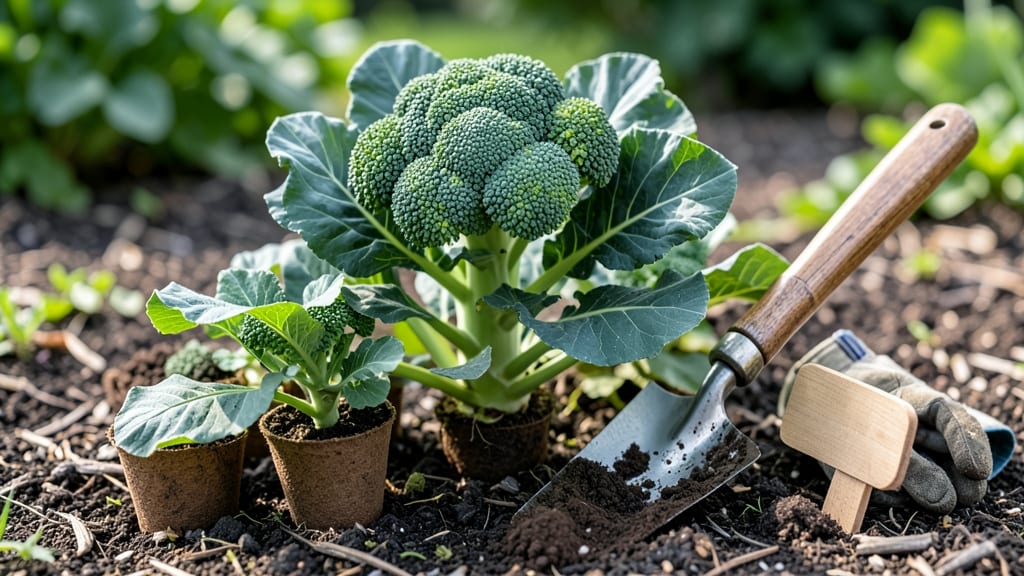
Timing your 🥦 broccoli planting in Northern California isn’t just about the calendar—it’s about dodging the heat, avoiding frost, and unlocking that perfect spring harvest window. Get it wrong, and you’ll end up with bitter, bolted heads instead of the sweet, tender crowns you’re after.
Here’s the secret: Northern California’s microclimates (coastal vs. inland) mean your neighbors might be planting while you’re still shoveling snow—or sweating through summer. I’ll break down the exact months to start seeds and transplant, so you can align your garden with your local frost dates and heat waves.
Whether you’re a first-time gardener or a seasoned pro, knowing when to plant 🥦 broccoli for fall and spring harvests is the key to a bountiful table.
We’ll cover soil prep, variety choices, and even how to stretch your growing season with simple tricks—so you’re harvesting through December instead of watching your plants wilt.
Ready to turn your backyard into a zero-bolt broccoli powerhouse? Let’s dive into the planting schedule that actually works for your zone—and trust me, your taste buds will thank you.
Northern California broccoli planting calendar: month-by-month guide for zero-bolt success
Timing your broccoli planting in Northern California is all about avoiding heat stress and early bolting. The coastal regions like San Francisco and Monterey Bay have milder winters, while inland areas like Sacramento and Chico experience more extreme temperature swings.
Both require precise scheduling to grow sweet, tender broccoli heads.
For spring planting, aim to start seeds indoors 6-8 weeks before your last expected frost date. In most of Northern California, this means February to early March. Transplant seedlings outdoors 4-6 weeks before the last frost, typically by mid-March to early April.
| Region | Last Frost Date | Best Planting Window | First Frost Date | Fall Planting Window |
|---|---|---|---|---|
| Coastal (San Francisco, Monterey) | February 20 - March 5 | March 15 - April 15 | November 1 - November 15 | August 1 - September 15 |
| Inland Valleys (Sacramento, Chico) | March 1 - March 15 | April 1 - April 30 | November 15 - December 1 | July 15 - August 30 |
| High Elevation (Lake Tahoe) | April 1 - April 15 | May 1 - May 30 | October 1 - October 15 | June 15 - July 30 |
For fall harvests, plant seeds 8-12 weeks before your first frost date. In coastal areas, this means August to early September, while inland gardeners should aim for July to mid-August. Fall-planted broccoli thrives in cooler temperatures and avoids the summer heat that triggers bolting.
Soil temperature is critical—broccoli seeds need 40-85°F to germinate. Use a soil thermometer to confirm readiness. If temperatures dip below 50°F, cover seedlings with frost blankets to protect them from cold snaps.
Northern California’s microclimates create unique challenges. Coastal areas benefit from foggy mornings, which can delay germination. Inland valleys, however, may experience sudden heatwaves in late spring. Always monitor weather forecasts and adjust planting dates accordingly.
Succession planting is key to a continuous harvest. Sow new seeds every 2-3 weeks during your region’s planting window. This ensures you’ll have fresh broccoli heads ready to pick throughout the season without gaps.
If you miss the ideal window, don’t despair! Some heat-tolerant varieties like ‘De Cicco’ can handle slightly warmer conditions. However, expect smaller heads and potential bitterness if temperatures exceed 80°F for extended periods.
Always prepare your soil with compost or aged manure before planting. Broccoli is a heavy feeder, and rich soil prevents nutrient deficiencies that can lead to bolting. Aim for a pH between 6.0 and 7.0 for optimal growth.
Mark your calendar now: spring planting in March-April and fall planting in August-September will give you the best results in Northern California’s diverse climate zones. With the right timing, you’ll enjoy homegrown broccoli that’s sweeter and more flavorful than anything from the store! 🥦
How to adjust broccoli planting for Northern California’s microclimates
Northern California’s diverse microclimates—from foggy coastal regions to hot inland valleys—mean your broccoli planting timeline should shift based on location. Coastal areas like San Francisco and Monterey stay cooler longer, while inland zones like Sacramento or Chico heat up faster.
Even a 10-mile elevation change can delay frost by weeks! Adjusting your approach ensures your broccoli thrives without bolting prematurely.
For coastal gardens, plant fall broccoli as early as mid-August to harvest before winter rains. Inland areas should wait until late August to avoid summer heat stress.
Spring planting? Coastal gardeners can start seeds indoors by January 15, while inland gardeners should wait until February 1 to avoid early-season cold snaps.
🌡️ Microclimate Adjustments for Broccoli Planting
- 🌧️ Coastal (San Francisco, Monterey): Start fall seeds 8-12 weeks before first frost (mid-August). Spring planting? January 15 indoors for transplanting by March 1.
- 🔥 Inland Valleys (Sacramento, Chico): Delay fall planting to late August to avoid summer heat. Spring seeds? Wait until February 1 for transplanting by March 15.
- 🏔️ High Elevation (Lake Tahoe, Redding): Plant 2-4 weeks earlier than valley regions—fall seeds by July 31 for harvest before early frost.
- 🌿 Shade-Cloth Hack: Use 30-50% shade cloth in hot inland areas during June-August to prevent bolting. Remove by September 1 for fall growth.
- 🥦 Variety Matters: Choose ‘Waltham 29’ for cool coastal zones or ‘Calabrese’ for heat-tolerant inland gardens. Dwarf varieties like ‘Little Sprout’ work in containers for balconies.
Succession planting is your secret weapon for continuous harvests. In coastal areas, sow new seeds every 3 weeks from August to October for a staggered fall crop. Inland gardeners should space plantings 2 weeks apart from September to November to avoid heat stress on young seedlings.
Pro tip: Use black plastic mulch in summer to warm soil for early spring starts in cooler microclimates.
Watch for local heatwaves, especially in inland zones. If temperatures hit 85°F+ for 3+ days, broccoli will bolt. Extend season length by planting heat-tolerant varieties like ‘Green Magic’ or using drip irrigation to keep soil temps stable.
Coastal gardeners can push fall harvests later by choosing cold-hardy varieties like ‘De Cicco’, which tolerate light frosts.
Don’t forget container gardening for small spaces! Dwarf varieties thrive in 5-gallon pots with well-draining soil. Place containers in morning sun to avoid afternoon heat stress. Inland gardeners can start containers indoors in March and move them outside by May 1 for a summer harvest.
Tailoring your approach to your microclimate isn’t just about timing—it’s about creating the perfect environment for your broccoli. With these adjustments, you’ll avoid bolting, maximize yields, and enjoy homegrown broccoli from spring to winter in Northern California’s diverse landscapes. Happy planting! 🌱