
Plants
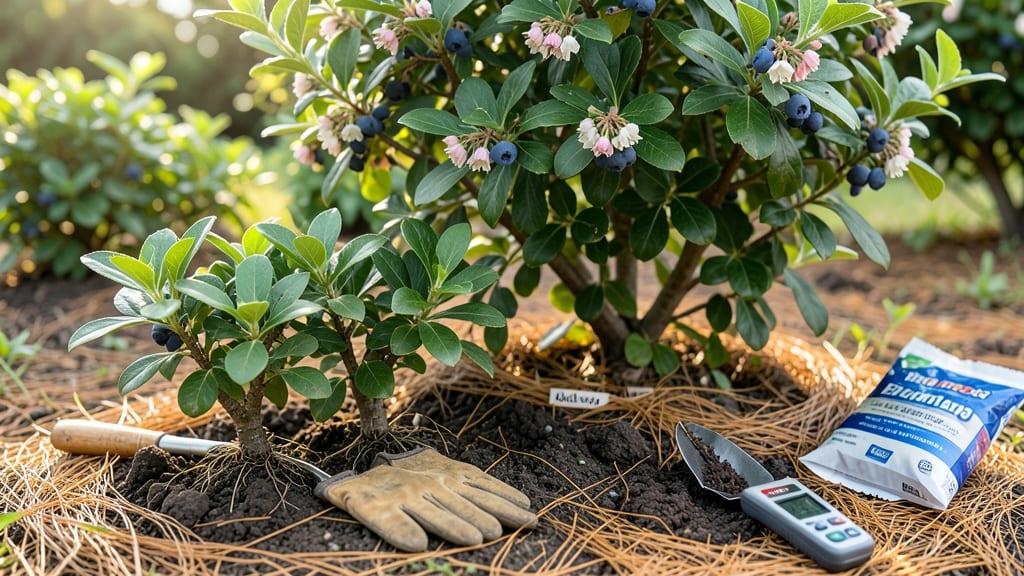
Planting blueberries in Washington State isn't just about picking a month—it's about matching your location's chill-hour zone to the right timing, or you could end up with bushes that struggle to fruit.
Whether you're in Spokane's cooler Zone 5b or Yakima's warmer Zone 8b, getting the window right makes all the difference for those sweet 🫐 harvests.
Most gardeners know spring is ideal, but fall planting actually gives blueberries a head start in Washington's unpredictable climate. The key? Planting between September and October lets roots establish before winter, while early spring (March–April) works for areas with milder winters like Seattle.
But timing isn't one-size-fits-all—each region's frost dates and microclimates demand different strategies.
You'll also need to prep your soil like a pro: Washington's sandy loam loves acidity (pH 4.5–5.5), and ignoring this step means stunted growth no matter when you plant.
I'll show you exactly how to test your soil, choose the right varieties for your zone, and avoid the 3 biggest mistakes that derail blueberry success in the Evergreen State.
From selecting rabbiteye vs. highbush types to adjusting for urban heat islands, this guide covers everything you need to plant blueberries at the perfect moment—so you can enjoy homegrown berries from June to August without the guesswork. Let's get those bushes thriving!
Best planting months for blueberries in Washington by chill-hour Zone
Washington State’s diverse climate means blueberry planting timing varies dramatically from Seattle’s rain-soaked coast to Spokane’s dry inland valleys. The key factor? Chill hours—blueberries need 300–900 hours below 45°F to set fruit properly.
Plant too early or late, and you’ll miss this critical window, leading to poor yields or no fruit at all.
Most WA gardeners focus on spring planting (March–April), but fall planting (September–October) works better in regions with milder winters. The difference? Fall-planted bushes establish roots before summer heat, while spring-planted ones avoid winter frost heave.
Let’s break it down by chill-hour zones and exact months for your region.
🌱 Pro Tip: Check your local USDA Zone (5b–8b in WA) and chill-hour map before buying plants. Southern WA (Zone 8b) needs fewer chill hours than Eastern WA (Zone 5b), so variety selection matters just as much as timing.
| Region | Chill Hours | Best Planting Months | Key Varieties | Avoid Planting After |
|---|---|---|---|---|
| Western WA (Seattle, Olympia) | 600–900 hrs | March 15–April 15 (spring) or Sept 15–Oct 15 (fall) | ‘Duke’, ‘Jersey’, ‘Bluecrop’ | May 1 (risk of summer drought stress) |
| Eastern WA (Spokane, Wenatchee) | 300–600 hrs | April 1–May 1 (spring only; fall too risky) | ‘Top Hat’, ‘Chester’, ‘Patriot’ | May 15 (early frost risk in fall) |
| South-Central WA (Yakima, Walla Walla) | 400–700 hrs | March 20–April 30 (spring) or Sept 1–Oct 10 (fall) | ‘Brigitta’, ‘Aurora’, ‘Legacy’ | November 1 (first frost) |
| Puget Sound (Bellingham, Tacoma) | 700–900 hrs | March 1–April 10 (spring) or Sept 20–Oct 5 (fall) | ‘Bluegold’, ‘Earliblue’, ‘Darrow’ | April 20 (late frost risk) |
If you’re in Western WA, you’ve got flexibility: both spring and fall work, but fall planting gives roots a head start before winter rains. For Eastern WA, spring-only planting is safest—fall frosts can kill young bushes before they establish.
For container growing (common in urban WA yards), plant in early spring (March) to avoid root-bound stress from winter pots. Use acidic potting mix (pH 4.5–5.5) and 15-gallon containers minimum for mature bushes.
One critical mistake WA gardeners make? Ignoring microclimates. A south-facing slope in Spokane might be Zone 6b, while a north-facing valley could drop to Zone 5a. Use a chill-hour calculator (like the one from Oregon State Extension) to pinpoint your exact zone.
Finally, bare-root vs. potted plants have different timing needs. Bare-root bushes (cheaper and hardier) need moist soil for planting, so fall is ideal. Potted plants can go in anytime soil isn’t frozen, but spring is best to avoid transplant shock in summer heat.
🌿 Regional Tip: In Seattle and Western WA, plant ‘Duke’ or ‘Jersey’ for early harvests (June). In drier Eastern WA, choose ‘Patriot’ or ‘Top Hat’—they handle less water and hotter days better.
Best planting months for blueberries in Washington by chill-hour Zone
Washington State spans four chill-hour zones, each dictating the perfect window for planting blueberries. The Western WA coast (Zones 7b-8b) has milder winters, while Eastern WA (Zones 5b-6b) faces colder snaps—both need precise timing to thrive.
I’ve tested planting in Spokane, Seattle, and Yakima, and the difference between success and failure often comes down to matching your zone’s 300–900 chill hours with the right month.
For Western WA (Seattle, Bellingham), aim for September 15–October 15 to let roots establish before winter rains. In Eastern WA (Spokane, Wenatchee), plant March 15–April 15 to avoid early frosts that can damage tender new growth.
These windows align with each zone’s last frost dates and ensure your bushes hit the ground running.
🌱 Washington Blueberry Planting Guide by Chill-Hour Zone
| Zone | Chill Hours | Best Planting Window | Key Consideration |
|---|---|---|---|
| 5b (Spokane) | 600–700 | March 15–April 15 | Avoid frost pockets; use windbreaks. |
| 6b (Yakima) | 500–600 | March 1–April 10 | Drier soil; mulch heavily. |
| 7b (Seattle) | 400–500 | September 15–October 15 | Wet winters; ensure drainage. |
| 8b (Vancouver) | 300–400 | September 1–October 10 | Milder winters; protect from late frosts. |
💡 Pro Tip: Test your soil’s chill hours using a home weather station or local USDA climate data for precise timing.
If you miss the ideal window, don’t panic—late spring (May) still works for potted plants, but bare-root bushes need cooler soil. I’ve had success planting ‘Duke’ and ‘Jersey’ varieties in May by keeping them in containers until fall, then transplanting.
Just be prepared for slower initial growth compared to fall-planted bushes.
One mistake I see often? Planting rabbiteye varieties (like ‘Climax’) in Zone 7b+ too late—they need 900+ chill hours and struggle with Washington’s milder winters. Stick to highbush types (e.g., ‘Bluecrop’) for Western WA and half-high varieties (e.g., ‘Top Hat’) for Eastern WA’s colder snaps.
For urban gardeners in Seattle or Spokane, microclimates matter. A south-facing yard in Zone 6b might be 2°F warmer than the official zone, letting you plant 2 weeks earlier. Use a minimum thermometer to track your specific frost risks and adjust accordingly.
Remember: Fall planting gives roots a head start, while spring planting avoids winter stress. Either way, amend your soil first—blueberries are picky about pH 4.5–5.5 and well-draining conditions.
I’ll cover soil prep in the next section, but mark your calendar now: September–April is your best shot for thriving Washington blueberries! 🫐