
Plants
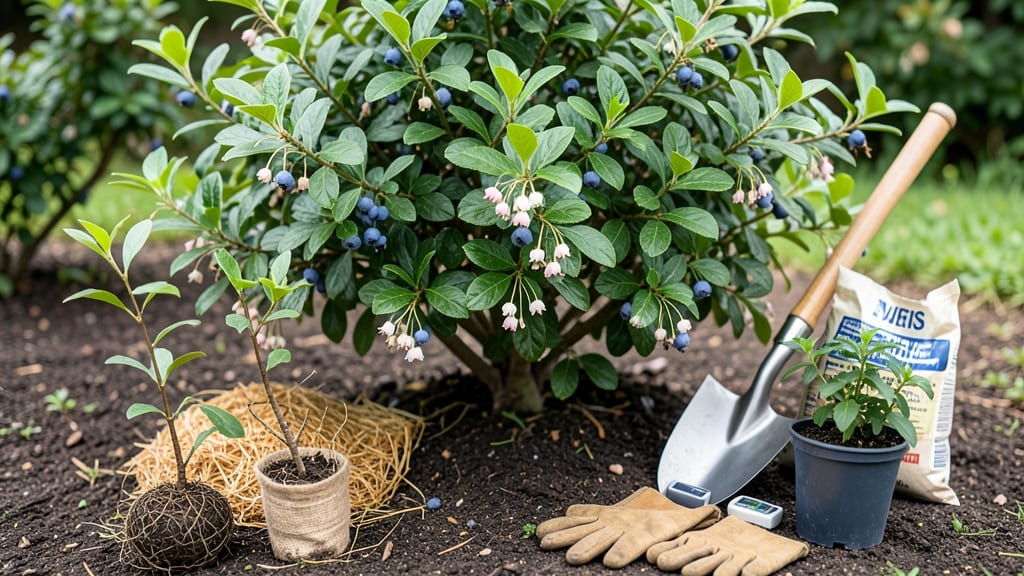
Timing your blueberry 🫐 planting in Kansas isn't just about the calendar—it's about understanding how many chill hours your bushes need to thrive in zones 5b-7a. Skip the guesswork and you could end up with bushes that struggle to produce fruit, no matter how well you care for them.
Most gardeners in Kansas know spring is the prime window, but the exact months matter more than you'd think. Plant too early, and frost can damage tender roots; too late, and your bushes won't establish strong roots before summer heat sets in.
The sweet spot? Late March to early April—when soil temperatures rise but the risk of hard frost has passed.
But here's the kicker: chill hours (those cold winter hours that trigger flowering) vary across Kansas, meaning your neighbor's perfect timing might not work for you. I'll break down exactly what you need to know to pick the right variety and plant at the ideal moment for your specific location.
Ready to grow juicy, homegrown 🫐 blueberries that actually bear fruit? Let's dive into the chill-hour zones, frost-free windows, and soil prep secrets that will set your blueberry bushes up for success—no matter where in Kansas you're gardening.
Kansas chill-hour zones: how cold requirements determine blueberry planting success
Blueberries thrive in Kansas, but only if you match the right variety to your chill-hour zone. These zones measure the number of hours below 45°F (7°C) your region experiences annually, which triggers dormancy and flowering.
Kansas spans USDA zones 5b-7a, with chill hours ranging from 500 to 1,000+ hours—critical for selecting the best blueberry bushes.
For example, northern Kansas (e.g., Wichita, Hays) typically sees 700-900 chill hours, while southern Kansas (e.g., Wichita Mountains, Garden City) may only hit 500-700 hours. Planting a high-chill variety like 'Bluecrop' in southern Kansas could leave you with no fruit because the bushes won’t flower properly.
To find your exact chill hours, check the NOAA Climate Data for your county or use the USDA Plant Hardiness Zone Map. For instance, Manhattan (zone 5b) averages 800+ chill hours, while Dodge City (zone 6b) sits around 650-750 hours.
This data helps you avoid costly mistakes when choosing varieties.
Here’s how chill hours impact three popular blueberry varieties in Kansas:
🌱 Kansas Blueberry Chill-Hour Summary
| Variety | Chill Hours Needed | Best Kansas Zones | Notes |
|---|---|---|---|
| Bluecrop | 700-900 hours | 5b-6a (Northern KS) | Classic, high-yielding, but needs cold winters. |
| Jersey | 500-700 hours | 6b-7a (Southern KS) | Drought-tolerant, great for warmer microclimates. |
| Duke | 600-800 hours | 5b-6b (Central KS) | Large berries, disease-resistant, but needs acidic soil. |
| Patriot | 600+ hours | 5b-7a (All KS) | Cold-hardy, compact, and high-yielding for containers. |
If you’re in southern Kansas with fewer than 600 chill hours, avoid traditional northern varieties like 'Bluecrop' and opt for low-chill options like 'Jersey' or 'Top Hat'. These varieties are bred to thrive in warmer winters while still producing sweet, juicy berries.
Pro tip: Extend chill hours in mild winters by placing bushes in slightly shaded areas or using white frost blankets in late fall to simulate colder conditions. This trick can help varieties like 'Bluecrop' survive in zone 6b with a little extra care.
Once you’ve matched your chill-hour zone to the right variety, the next step is timing. Planting too early or too late can expose young roots to frost heave or summer stress.
I’ll cover the exact planting months for Kansas in the next section—stay tuned for soil temperature thresholds and frost risk analysis to maximize your blueberries’ survival rate.
🌿
Exact planting months in Kansas: spring vs. fall timing for maximum survival rates
Timing your blueberry planting in Kansas is all about balancing soil temperatures, frost risk, and root establishment. While spring is the classic window, fall planting can work too—if you follow the rules.
The key is planting when the ground is workable but not frozen and when your bushes have 6-8 weeks to establish roots before winter dormancy.
For most of Kansas (zones 5b-7a), the ideal window is late March to early April. This gives your bushes time to root before summer heat arrives.
In southern Kansas (zone 7a), you can push planting to mid-April, while northern areas (zone 5b) should aim for early April at the latest.
Fall planting is trickier but possible if you plant 6-8 weeks before your first frost. In Kansas, that typically means October to early November. The goal is to let roots establish before the ground freezes. Just avoid planting too late—you don’t want tender roots exposed to winter cold.
Here’s the critical detail: soil temperature must be above 40°F (4°C) for planting. Use a soil thermometer to check—cold soil slows root growth and increases disease risk. If temperatures dip below 32°F (0°C) at night, delay planting until conditions stabilize.
Pro Tip: If you’re in a windy Kansas region, plant on the leeward side of structures or use windbreaks. Blueberry bushes hate drying winds, and young plants need protection to thrive.
🚨
- Planting too early: Frost can kill tender roots before they establish.
- Skipping soil prep: Blueberries need acidic, well-draining soil—test your soil pH before planting.
- Overcrowding plants: Space bushes 4-6 feet apart for airflow and growth.
- Ignoring mulch: Use pine straw or wood chips to retain moisture and acidify soil.
Once you’ve picked your window, prepare the planting hole by mixing compost and sulfur (to lower pH) into native soil. Water the hole thoroughly before placing your bare-root or container-grown blueberry bush. After planting, water deeply to eliminate air pockets and encourage root contact with soil.
With the right timing and prep, your blueberry bushes will establish strong roots and reward you with juicy, homegrown berries in just a few years. The key? Pay attention to chill hours, soil temps, and frost dates—your future harvest depends on it!